Tahuata Island Vaitahu, Marquesas French Polynesia
French Polynesia

31 Cruises availables At departure or passage at this port

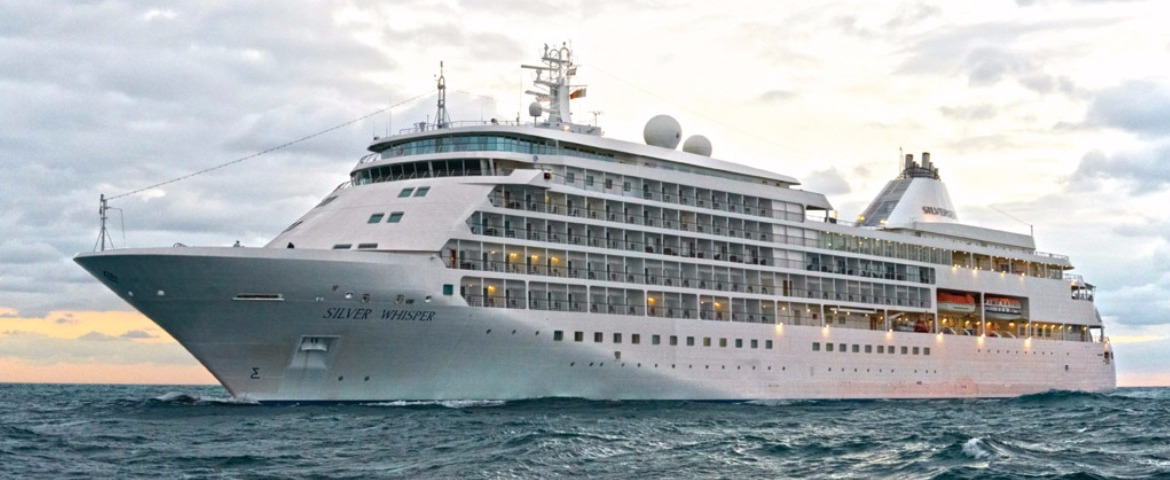
Silversea Cruises (19 Cruises)

Tahuata, French Polynesia | Cruise Port Guide

There's no airport on Tahuata, and there probably never will be. The smallest inhabited island in the Marquesas can only be reached by sea, as in the days of double-hulled canoes. Ships drop anchor off Vaitahu, the main village nestled in a dark bay, and tenders cross the pass between two breaths of the swell. You step onto a tiny dock, children dive from the rocks, horses graze under the mango trees: welcome to the most remote archipelago in the inhabited world.

Vaitahu, memory of the Marquesas

This unassuming village holds a rich history. In 1595, Mendaña's Spanish expedition landed here and opened fire on the crowd that had come to watch the ships, killing about two hundred people: a tragic first contact between the Marquesas and Europe. In 1842, it was again at Vaitahu that France established its first settlement in the archipelago. Signs and discreet monuments recall these events along the single street, which you can walk in a few minutes between flower-decked homes.

A church given by the Vatican

Facing the bay stands the village's stone church, built with the support of the Vatican, whose façade opens onto an interior adorned with Marquesan carvings. Its stained-glass window dedicated to the Virgin Mary filters coloured light onto the wooden pews, a successful marriage of Catholic iconography and island art. If your visit coincides with congregational singing, go in: Marquesan polyphonic harmonies are among the most beautiful sound memories you can bring back from the Pacific. The neighbouring flower-filled yards complete a peaceful scene, where time is measured in bells and tides.

The island of bone carvers

Tahuata has earned a reputation throughout the archipelago for the finesse of its bone and shell carvings. In the village workshops, artisans shape tiki, traditional fish hooks, bracelets and pendants from cow or horse bone, fossil ivory and the pink helmet shell, a large shell with warm hues. The motifs draw on the ancestral vocabulary of Marquesan tattooing, which each family interprets in its own way. Buying a piece here, straight from the carver's hands, takes on a whole different meaning than in a shop.

Port call highlights

FeatureWhat you need to know
DockingAnchorage off Vaitahu; tender landing depending on the swell
AccessBy sea only; no airstrip on the island
Must-seeChurch and its stained glass, historic monuments, carving workshops
CraftsBone and shell carving, the island's renowned specialty

Marquesan nature in the raw

Around the bay, volcanic ridges plunge into a deep blue sea, with no lagoon or protective reef: the Marquesas show themselves raw, vertical, draped in clouds. The slopes are covered with coconut palms, breadfruit and mango trees, and wild goats scale the cliffs. Some excursions head by sea to the island's neighbouring bays, where pale sand beaches open between the headlands. Dolphins often accompany the boats, as if to do the honours of their territory. Bring good shoes for the pebbly shore, and a hat: shade is scarce at midday.

What memory keeps

You leave Tahuata with few spectacular photos and many lasting impressions: a carver's rough handshake, the scent of monoi and tiare flowers, a church hymn carried by the surf. The small island is a reminder of a truth the great ports sometimes make us forget: the richness of a port call is measured in encounters, not monuments. Herman Melville once deserted a whaler to live among the Marquesans; after a few hours here, his choice seems far less strange. The anchorage slowly closes behind the ship.

Frequently Asked Questions

Only by sea. Tahuata has no airport and probably never will. Ships anchor off Vaitahu, the main village tucked into a dark bay, and tenders cross the pass between swells to a tiny quay.
Mendaña's Spanish expedition landed and opened fire on the crowd that had come to watch the ships, killing roughly two hundred people. It was the first contact between the Marquesas and Europe, and it was tragic. Discreet panels and monuments recall it along the village's single street.
This stone church, built with support from the Vatican, opens onto an interior filled with Marquesan carving. Its stained-glass window dedicated to the Virgin filters coloured light onto the wooden pews. If your visit coincides with congregational singing, go in: Marquesan polyphony is among the finest sounds you can bring home from the Pacific.
Because it has built a reputation across the archipelago for the fineness of its engraving. In village workshops, artisans shape tiki, traditional fish hooks, bracelets and pendants from cattle or horse bone, fossil ivory and helmet shell, the large mollusc with warm tones.
Yes, and that is the whole point. The motifs draw on the ancestral vocabulary of Marquesan tattooing, which each family interprets its own way. Buying a piece from the carver's own hands means something quite different from buying in a shop. Bring Pacific francs in cash.
The village takes only minutes to cross between flower-filled houses: the church, the memorials, the carving workshops. Some excursions travel by sea to neighbouring bays where pale sand beaches open between headlands. This is a call about encounters, not monuments.
No. The Marquesas have neither lagoons nor protective reefs: volcanic ridges plunge straight into deep blue sea. That means swell can complicate the tender transfer, and swimming is less sheltered than elsewhere in Polynesia.
Often, yes. Dolphins frequently escort the tenders between ship and quay, as if doing the honours of the place. Nothing is guaranteed: they are wild animals, not an organised attraction.
Good shoes for the shingle shore and a hat, since shade is scarce at midday. Add water and cash. There is no organised tourist commerce: what you do not bring, you will not find.
You leave with few spectacular photographs and many lasting impressions: a carver's rough handshake, the smell of monoï and tiare flowers, church singing carried on the surf. The smallest inhabited island in the Marquesas is a reminder that the richness of a call is measured in encounters, not monuments.