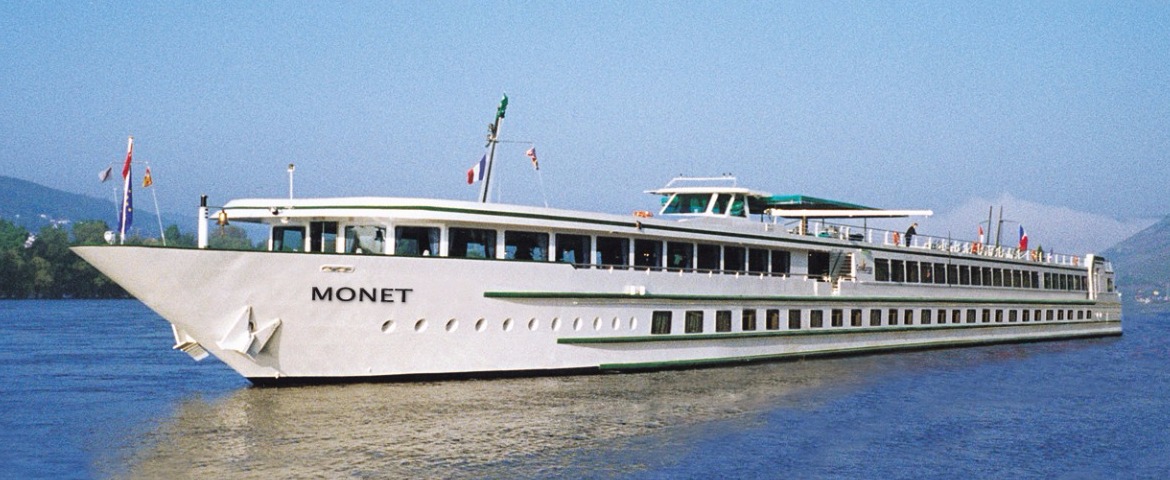
Between Koblenz and Cochem, the Moselle advances in great lazy loops, and vineyards climb so high on the slopes you wonder how the wine growers manage to work them. It is in one of these curves that Alken appears, a village of barely a few streets, nestled between the river and the slope. Two towers crown the hill just above the roofs: Thurant Castle, which has watched over this corner of the valley since the twelfth century. The boat moors at the foot of the village, and everything that follows is on foot.

A Wine Village at the Water's Edge

The first steps naturally lead toward the main street, which follows the river. Half-timbered houses squeeze against one another there, interrupted by courtyards where grape-harvest crates dry and signs announce the family vineyard's Riesling. Alken has lived by wine for centuries, and you feel it: here, no shops for cruise passengers, but wine cellars where you are served the wine from the neighbouring parcel. Several wine growers open their doors to passers-by. Settling for half an hour before a glass of Riesling, facing the water, counts among the simple pleasures of this port of call.

Climbing to the Fortress

Just above the roofs, the fortress rears its two twin keeps amid the vines. The stronghold, raised in the twelfth century partly on Roman foundations, long belonged to the archbishops of Cologne and Trier, who shared the building: each possessed his tower, courtyard and entrance. The path that climbs there winds between the vine rows and takes about thirty minutes of unhurried effort. The reward awaits at the top: from the ramparts, the gaze embraces the entire loop of the Moselle, the hillsides striped with vines and the neighbouring villages set along the water. Descending by the same trail allows you to observe the wine growers' work on these steep slopes, where almost everything is still done by hand.

Strolling From Hamlet to Hamlet

Those preferring to remain at river level will take the path along the bank. Downstream, it reaches Löf and Brodenbach, two hamlets with narrow lanes and peaceful churches, at a reasonable distance for a port-of-call walk. On the far bank, perched above Burgen, Bischofstein Castle can be glimpsed between the trees. The entire valley seems to function in slow motion: a few cyclists on the path following the Moselle, a motionless fisher, the muffled passage of a barge. You quickly understand that Alken's appeal rests less on a list of monuments than on this assumed slowness.

Organising Your Few Hours

  • Climb to the fortress: about 30 minutes on foot from the dock, steep trail, good shoes recommended.
  • Tour of the village and stop in a wine cellar: an hour suffices, everything is found minutes from the dock.
  • Walk on the bank path toward Löf or Brodenbach: allow an hour return trip, flat terrain.

The town can be toured without a map and without hurry. No shuttle is necessary: all the attractions are reached on foot from the mooring point, which leaves complete freedom to improvise according to weather and whim.

Before Returning Aboard

Toward the end of the port of call, there often remains a moment to sit again facing the river, where benches watch the boats pass. The two towers of Thurant then stand out above the vines, and you measure what this landscape owes to the patient work of generations who shaped these terraces. Alken makes no attempt to impress. It offers rather a parenthesis: a morning of vines, stone and calm water, which you remember precisely because it resembled nothing spectacular. Many travellers leave with a bottle in their bag and the thought, already, of returning one day by the wine route.

Frequently Asked Questions

At the foot of the village on the Moselle, between Koblenz and Cochem. Alken amounts to a few streets tucked between the river and the slope: everything after that is on foot, and no shuttle is needed.
A 12th-century fortress built partly on Roman foundations, raising its twin keeps among the vines just above the rooftops. It long belonged jointly to the archbishops of Cologne and Trier, who divided the building between them: each had his own tower, courtyard and entrance.
Allow about thirty minutes of steady effort from the quay, on a path winding between the rows of vines. The gradient is sustained and good shoes are recommended. From the ramparts, the eye takes in the whole bend of the Moselle and the slopes striped with vines.
A walk around the village and a stop in a wine cellar easily fill an hour, since everything is minutes from the quay. Otherwise, the riverbank path leads toward Löf or Brodenbach: allow an hour round trip on flat ground.
Yes, and it is the whole point of the village. Alken has lived from the vine for centuries: no cruise-passenger boutiques here, but cellars serving wine from the plot next door. Several growers open their doors to passers-by.
Riesling, like this whole stretch of the Moselle. The vineyards climb so high up the slopes that you wonder how the growers work them: on those steep terraces, almost everything is still done by hand.
Just one, Thurant Castle. The village's appeal has less to do with a list of sights than with a deliberate slowness: half-timbered houses pressed together along the main street, yards where harvest crates dry, a few cyclists on the path following the Moselle.
Bischofstein Castle, perched above Burgen, glimpsed between the trees. You do not visit it from Alken: you look at it from the bank or from the boat deck.
Yes, in a quiet register. The riverbank path is flat and safe, and the castle climb entertains children who walk well. There is, however, no significant playground or attraction: this is a wine village, not a family destination.
The euro, and yes, keep some cash. In a village this size, not every family cellar takes cards and there is no ATM at the quay. Many travellers head back aboard with a bottle in the bag.