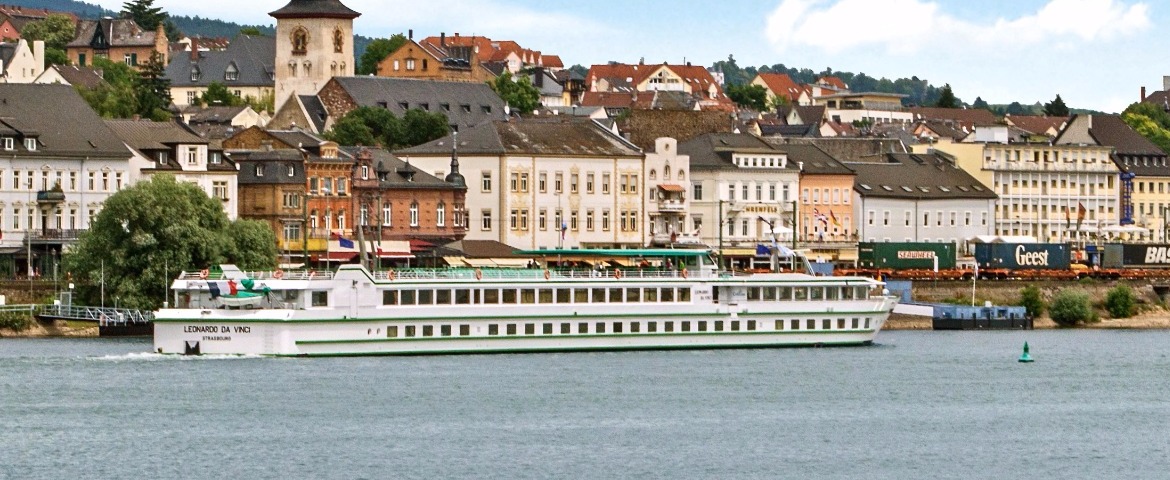
Barely more than a hundred residents, a handful of cobblestone lanes squeezed between the river and the vineyard, a ruined castle keeping watch over the slate rooftops: Beilstein fits entirely within a single glance the moment the ship docks. Germans call it the "Sleeping Beauty of the Moselle," and the place does indeed seem to have stopped somewhere in the 17th century. That's exactly what draws river cruise ships here, mooring right at the foot of the half-timbered houses.

A Landing Right at the Houses' Doorstep

No logistics to plan: the gangway sets down directly on the riverbank, and the market square is just two or three minutes on foot. Beilstein is entirely walkable, gently sloped at first, steeper if you choose to climb up to the castle. The town is tiny, but it rewards those who take their time: every narrow lane hides a detail, a wrought-iron sign, an old wine press, a flower-filled courtyard.

The Market Square and the Lanes

The Marktplatz sits in the hollow of the small valley, ringed by half-timbered façades from the 16th and 17th centuries. Cafés set up their terraces as soon as the weather turns fine, and mostly what you'll hear is the footsteps of strollers and the clink of cups. Looking up, you can spot the former Carmelite convent church perched above the rooftops, its baroque interior surprisingly rich for such a small place. The staircase leading up to it already offers a first view over the valley and the rows of vines striping the hillsides.

The Climb to Burg Metternich

The trail then climbs toward the ruin overlooking the rooftops: Burg Metternich, first mentioned in the 13th century and destroyed in 1689 by the French troops of Louis XIV. The castle once belonged to the family of the famous Austrian chancellor. Allow about fifteen minutes of steady climbing. At the top, a terrace serves drinks and light meals, but it's the view that makes the effort worthwhile: the Moselle traces a broad curve beneath the vineyards, the grey rooftops huddle below, and the ships suddenly look tiny.

Wine, the Village's Reason for Being

Beilstein has lived off its vines since the Middle Ages. Riesling reigns over these slate slopes, among the steepest in Europe, and several family-run cellars open their doors for an unpretentious tasting. Sitting in an inner courtyard over a glass of local wine, while the owner tells stories of harvesting on the hillside, work still done largely by hand, winches and pruning shears included, is probably the truest way to understand this corner of the valley. The bottles brought home from here have the advantage of fitting neatly into a suitcase.

A Few Ideas Depending on Your Time

  • One hour: the market square, the lower lanes and the riverbank.
  • Two hours: add the Carmelite church and a tasting at a winegrower's.
  • Three hours or more: climb up to Burg Metternich for the view over the valley.

What You Take With You

Nothing spectacular happens in Beilstein, and that's exactly its strength. You head back down the gangway with the memory of a complete, coherent village, where nothing feels out of place: the stone, the vines, the water, and the silence between the church bells. As the ship casts off and the ruin slowly recedes behind the bend in the river, more than one passenger stays on deck, watching the half-timbering fade into the green of the hillside.

Frequently Asked Questions

Right at the foot of the houses. The gangway lands on the riverbank and the market square is two or three minutes' walk away. Nothing to arrange: no shuttle, no taxi, no transport schedule.
A real village, and a tiny one: barely more than a hundred residents, a few cobbled lanes wedged between the Moselle and the vineyards. Germans call it the Sleeping Beauty of the Moselle, and the place does seem to have stopped somewhere in the 17th century.
An hour covers the market square, the lower lanes and the riverbank. In two hours, add the Carmelite church and a tasting at a winegrower's. With three hours or more, climb to Burg Metternich for the view over the valley.
A castle ruin first recorded in the 13th century and destroyed in 1689 by Louis XIV's French troops. It belonged for a time to the family of the famous Austrian chancellor. Allow about fifteen minutes of steady climbing from the village. A terrace up there serves drinks and light meals, but the panorama is what justifies the effort: the Moselle sweeps in a wide curve below the vines.
Yes, frankly. The path climbs steeply for about fifteen minutes and the paving is uneven. The village itself is a gentle slope, but the castle approach does not suit travellers with limited mobility or bad knees. You can enjoy the call perfectly well without going up.
The former monastery church perched above the rooftops, whose baroque interior is surprisingly rich for so small a place. The stairway leading up already gives a first view over the valley and the rows of vines striping the slopes.
Yes, and it is probably the best way to understand this corner of the valley. Beilstein has lived off the vine since the Middle Ages; Riesling rules these slate slopes, among the steepest in Europe. Several family cellars open their doors for an unfussy tasting, often in an inner courtyard, with the owner describing the hillside harvest.
The euro and German. In a village this size cash is considerably more practical: the small cellars, terraces and shops do not all take cards. Bring a few euros ashore.
For a short call, yes: the lanes, the wrought-iron signs and the flowered courtyards hold their attention for a while, and older children enjoy the castle climb. But there is no beach, no interactive museum and no organised activity. This is a stop for wandering and wine, designed first for adults.
May through October, when the cafés set out their terraces on the Marktplatz and the slopes are green. September and October add the bustle of the grape harvest. Out of season several cellars and the castle terrace close, and the village becomes very quiet.