Bremen Germany Bremen
22
Cruises availables
At departure or passage at this port
CroisiEurope (22 Cruises)
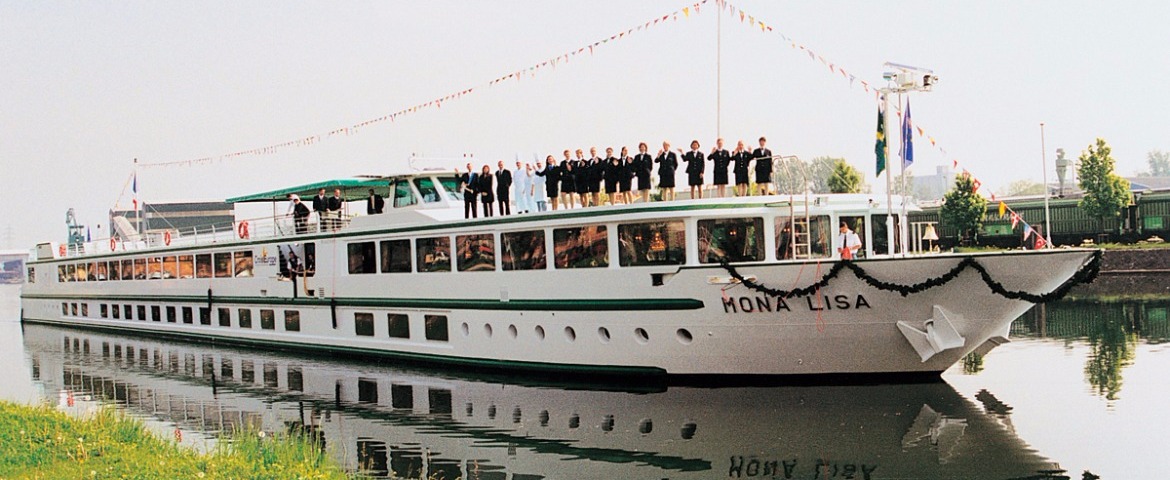
MS Mona Lisa
5 Cruises

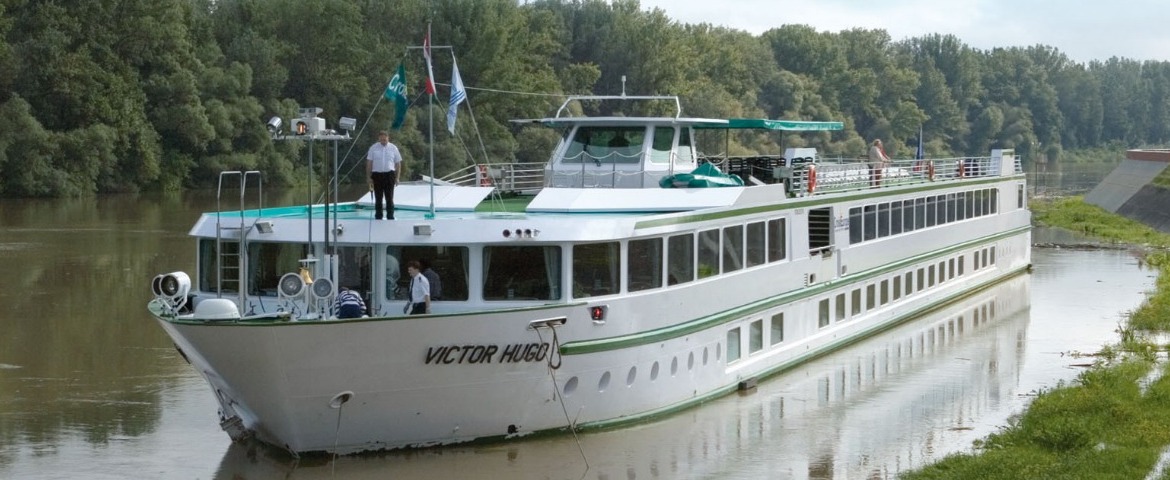
MS Victor Hugo
17 Cruises
| 29 June | 18 days | One-way from Copenhagen to Amsterdam |
450-628-6241
Call us
|
| 29 June | 19 days | One-way from Copenhagen to Amsterdam |
450-628-6241
Call us
|
Frequently Asked Questions
At the Martinianleger and along the Schlachte, the old merchant bank now a promenade, where the city moored its trading vessels in Hanseatic times. It is the best possible spot: the Hanseatic heart is minutes away.
Five minutes on foot. Turn your back on the river and walk: the Marktplatz then opens out in full theatrical style, ringed with gabled facades.
The town hall and the Roland, listed since 2004. The Rathaus, brick Gothic dressed in the 17th century with a flamboyant Renaissance facade, ranks among the finest civic buildings in Europe and among the few historic German town halls to have come through the war undamaged.
A stone knight more than five metres tall, standing before the town hall since 1404, a symbol of municipal liberties. As long as he stands, the saying goes, Bremen remains free.
At the western corner of the town hall: a donkey, a dog, a cat and a rooster stacked in a pyramid. The donkey's leg, rubbed by generations of hands, shines like gold. Tradition says to grasp it with both hands, never one, while making a wish.
No, and that is the joke in the tale: in the Brothers Grimm story the four animals dreamed of reaching the city but never got there. Millions of travellers have done it for them.
A hundred-metre lane steps from the Marktplatz, rebuilt in the 1920s by the coffee merchant Ludwig Roselius, inventor of decaffeinated coffee. It is a manifesto of brick expressionism: carved facades, a porcelain carillon that chimes on the hour, craft workshops and museums in a golden half-light. Bremen locals call it their secret street.
The city's oldest district, five minutes from the Böttcherstrasse: a tangle of 15th- and 16th-century cottages crowded along alleys where two people barely pass. Once homes to fishermen and craftsmen, they now hold shops, studios and tea rooms. The quarter survived the bombing that flattened much of the centre in 1944.
Two hours: Marktplatz, Rathaus, Roland and the Town Musicians. Three hours: add the Böttcherstrasse and its carillon. Four hours or more: finish with the Schnoor and a pause on the Schlachte facing the river.
The euro and German. Bremen is an outward-looking port city where English is spoken easily in the centre and along the Schlachte. Cards work in most restaurants, but keep cash for the Schnoor shops and the beer gardens on the quays.


