Bremerhaven Bremen, Germany
19
Cruises availables
At departure or passage at this port
Oceania Cruises (10 Cruises)
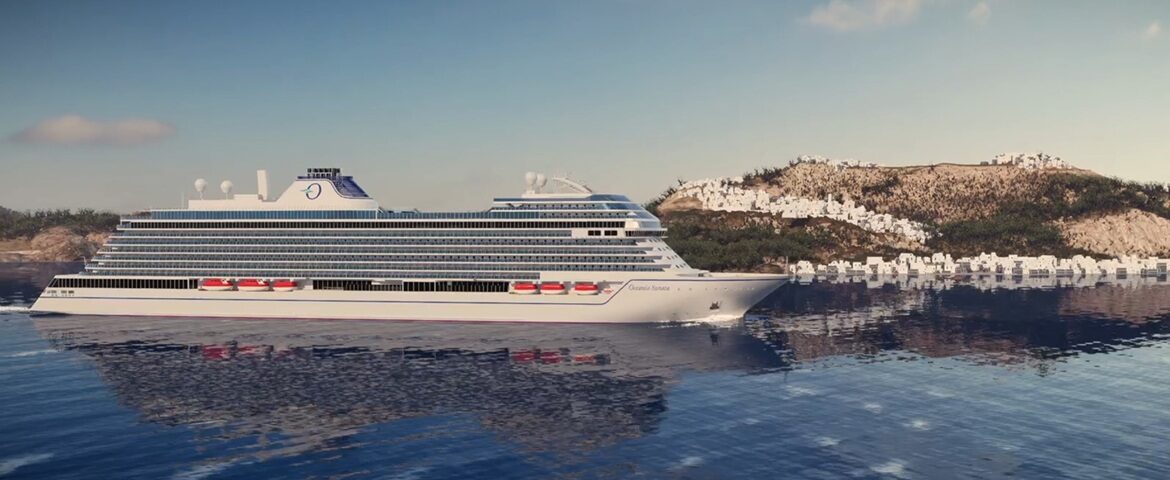
Oceania Marina
8 Cruises
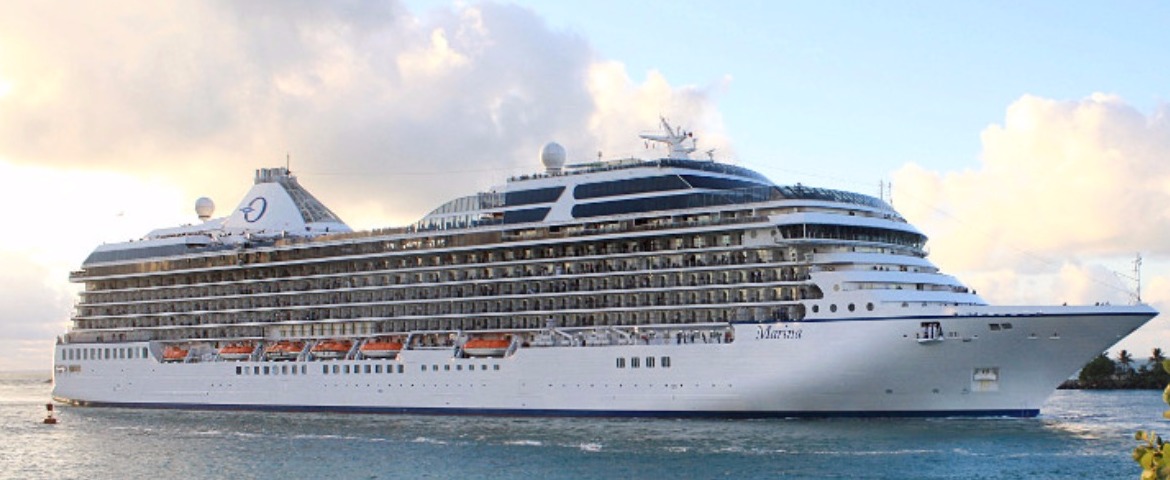

| 17 April | 67 days | One-way from Trieste to Southampton |
450-628-6241
Call us
|
| 17 April | 66 days | One-way from Trieste to Southampton |
450-628-6241
Call us
|
Regent Seven Seas Cruises (5 Cruises)
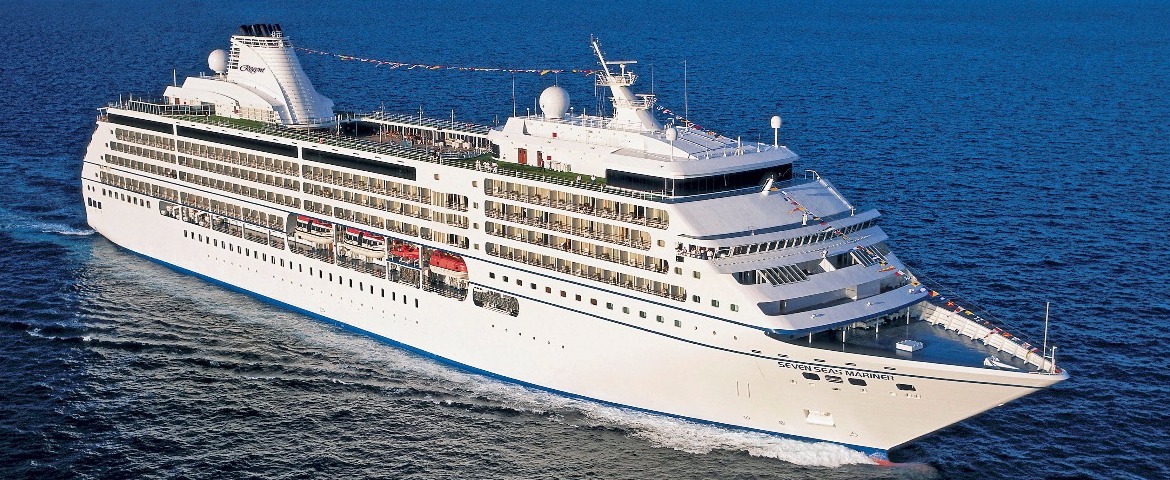
Seven Seas Mariner
5 Cruises




Bremerhaven, Germany | Cruise Port Guide
Frequently Asked Questions
At the Columbuskaje on the Weser estuary, exactly where more than seven million emigrants left Europe. The terminal stretches along the dyke, away from the centre.
The Havenwelten district is about thirty minutes on foot along the promenade following the Weser, or a few minutes by shuttle or taxi. Most lines arrange transport: check the times before setting off on foot, with gulls, freighters and wind guaranteed.
Yes, which is good news for a port call. Once at the Havenwelten, everything sits in a compact area around the redeveloped old docks, and you move from one attraction to the next in minutes.
The German Emigration Centre, built exactly where emigrants once boarded. The visit is lived in the first person: at the entrance you are given the identity of a real traveller, then you pass through the waiting hall, the crowded quay, the passageways and the cramped cabins, following that person's fate all the way to America. Allow at least two hours.
Many find a family echo in it. Millions of German, Polish and Scandinavian ancestors passed through these quays before crossing to Halifax, New York or Buenos Aires. It is one of the rare museums where collective history meets a family story so directly.
A building shaped like a giant water drop, a few minutes' walk from the emigration centre, that follows the eighth meridian around the planet. You shiver in Antarctica, sweat in the Sahel, cross a humid rainforest and a Swiss Alpine village, with sets, temperatures and humidity to match. Two to three hours disappear easily.
Very much so. The Klimahaus is made for them, the Zoo am Meer lines up polar bears and seals facing the estuary, and the German Maritime Museum holds a 14th-century Hanseatic cog recovered from the Weser. The emigration centre, by contrast, calls for a bit more maturity.
A high-rise designed like a sail, whose platform gives the overall view of the locks, the cranes and the flat infinity of the North Sea. Allow about an hour including the neighbouring zoo. Below, the old harbour holds museum ships and cafés.
You will have to choose, since one call cannot cover everything. Emigration centre: two hours or more, for history and genealogy. Klimahaus: two to three hours, for families and the nature-curious. Maritime museum and old harbour: one to two hours, for ship enthusiasts. Sail City and the zoo: an hour, for the view and a break.
The euro and German. The major museums offer English routes and take cards. Keep a few euros in cash for the old harbour cafés and the promenade kiosks.


