Eltmann Germany Bavaria

29 Cruises availables At departure or passage at this port
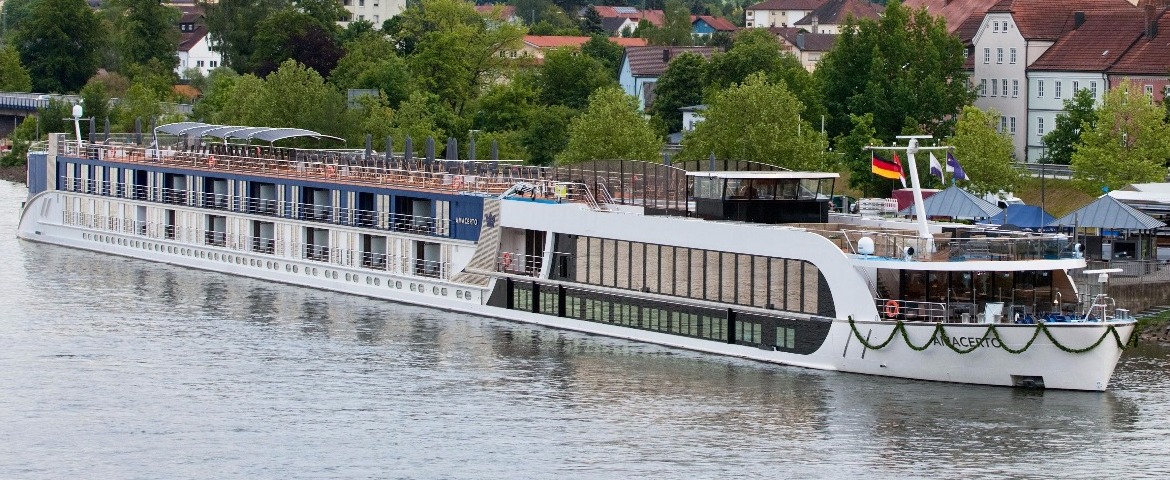
AmaWaterways (29 Cruises)

Long before docking, the tower comes into view. The Wallburg, an eleventh-century keep perched on its hill, has been announcing Eltmann to sailors on the Main for nine hundred years. Below it, the small Franconian town spreads its red rooftops between the river and the first wooded hills of the Steigerwald. River cruise ships travelling between Bamberg and Würzburg dock just steps from the centre, and this stop has the charm of places mass tourism hasn't yet put on its map.

Twelve Centuries of History on the Main

Eltmann first appears in the chronicles more than 1,200 years ago, and its past can still be read in the stone. The Mount of Olives chapel, built in the thirteenth century, remains the town's oldest building; the Kreuzkapelle, from the early seventeenth century, and the Pilgrimage Church of the Visitation, built in the mid-eighteenth century, round out this small collection of religious heritage, best discovered on an unhurried walk. The compact streets of the centre mix traditional Franconian houses with neighbourhood shops, where you're more likely to hear the local dialect than the English of tour groups. The town's bakeries offer everything you need to put together a riverside picnic, facing the quiet parade of barges.

The Climb Up to the Wallburg

The trail climbing toward the tower is the classic outing from this stop. The medieval watchtower, the last remnant of a long-vanished castle, watches over the valley; from its surroundings, the view takes in the ribbon of the Main, barges gliding between the locks, and, on clear days, the hills of the Franconian wine country stretching to the horizon. The climb takes a bit of stamina but remains manageable, and the benches placed along the way invite a few contemplative pauses.

Vineyards, Forests, and Franconian Wine

Eltmann marks the boundary between two worlds: toward the river, vineyards; toward the interior, the vast Steigerwald forest, protected since 1988 as a nature park covering nearly 1,300 square kilometres. Hiking trails wind beneath centuries-old beech trees, while wine lovers settle into the Weinstuben, the wine taverns where Silvaner, Franconia's signature grape variety, is served in its traditional round bottle. A tasting paired with sourdough bread and regional cured meats sums up the local way of life perfectly. Cyclists aren't left out either: a flat trail follows the river and links the surrounding wine villages.

Stop at a Glance

LocationHighlightAccess
Downtown EltmannOld chapels, Franconian housesOn foot from the dock
Wallburg Tower11th-century keep, view over the valleyTrail from the centre
Steigerwald Nature ParkBeech forests, marked trailsRight at the edge of town
Local WeinstubenSilvaner and Franconian cuisineOn foot

Franconia Without Pretence

Between the major stops of Bamberg and Würzburg, this small town offers a welcome breather. No lines to wait in, no monument overrun with visitors: just a town going about its life, winegrowers tending their slopes, and a river still carrying goods much as it did in the days of log rafters. That very ordinariness becomes, for the attentive traveller, the true appeal of the stop. You sit down among the regulars, exchange a few words with the server, and Germany stops being a backdrop and becomes a living country again.

As the ship departs, the Wallburg remains visible above the trees for a long while, the Main's unchanging sentinel. Boatmen may still greet it, the way one greets an old acquaintance. The traveller, meanwhile, heads back to the gangway with the memory of a glass of Silvaner and the quiet conviction that Franconia reveals itself best not in the crowds of its famous cities, but in its unassuming small towns.

Frequently Asked Questions

A couple of minutes from the centre, on the Main. River cruise vessels linking Bamberg to Würzburg tie up here, and the small Franconian town is a few minutes' walk away.
An 11th-century keep set on its hill, the remnant of a vanished castle, which has announced Eltmann to boatmen on the Main for nine hundred years. It is the landmark you spot well before docking.
By the path that rises from the centre: it is the classic outing of the call. The climb takes some breath but stays manageable, and benches along the way invite pauses. From the top, the view takes in the ribbon of the Main, the barges sliding between locks and, in clear weather, the hills of the Franconian vineyards.
The Mount of Olives chapel, raised in the 13th century. The Kreuzkapelle from the early 17th century and the Visitation pilgrimage church built in the mid-18th complete this modest religious heritage, discovered on an unhurried walk. Eltmann first appears in the chronicles more than 1,200 years ago.
No, and that is its appeal: the call has the ease of places mass tourism has not yet put on its maps. In the local shops you hear the regional dialect far more than the English of organised tours.
Silvaner, Franconia's signature grape, served in its traditional round bottle. The Weinstuben, the village wine taverns, pour it alongside sourdough bread and regional charcuterie: that alone sums up the local way of living.
The vast forest bordering the town on the landward side, protected since 1988 by a nature park of nearly 1,300 square kilometres. Hiking trails run beneath century-old beeches, right at the town's edge. Eltmann marks the boundary between two worlds: vineyards on the river side, forest on the land side.
Yes, a flat path follows the river and links the surrounding wine villages. It is a good way to fill a port call without effort, on terrain that presents no difficulty.
The centre and its old chapels take about an hour. The village bakeries supply everything for an improvised picnic by the river, facing the quiet procession of barges. With two more hours, add the climb to the Wallburg.
The euro and German, with a strong Franconian accent. English is little spoken in family-run shops, and cash remains the norm in the Weinstuben and bakeries. Bring a few euros.