Erlangen Germany Bavaria
3
Cruises availables
At departure or passage at this port
CroisiEurope (3 Cruises)
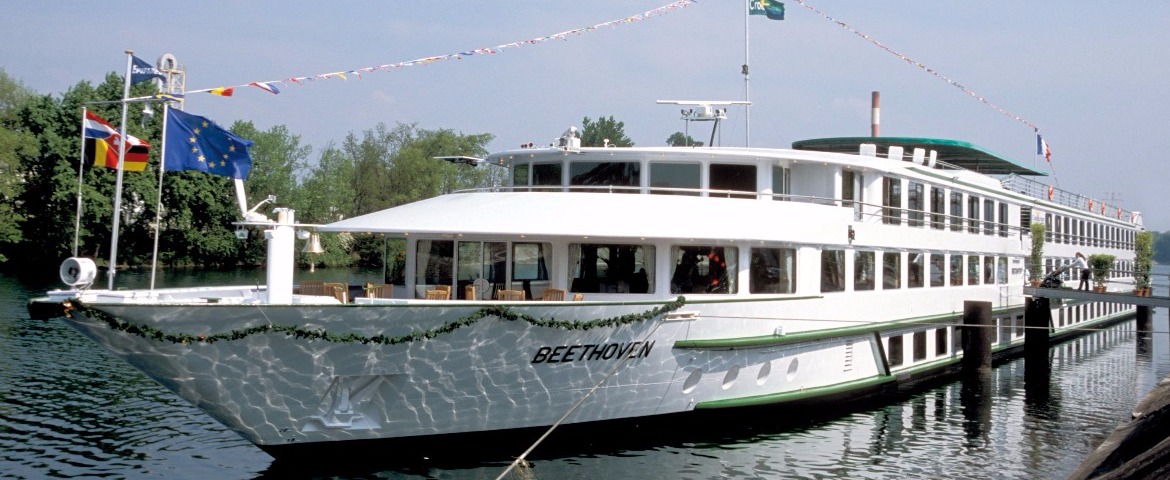

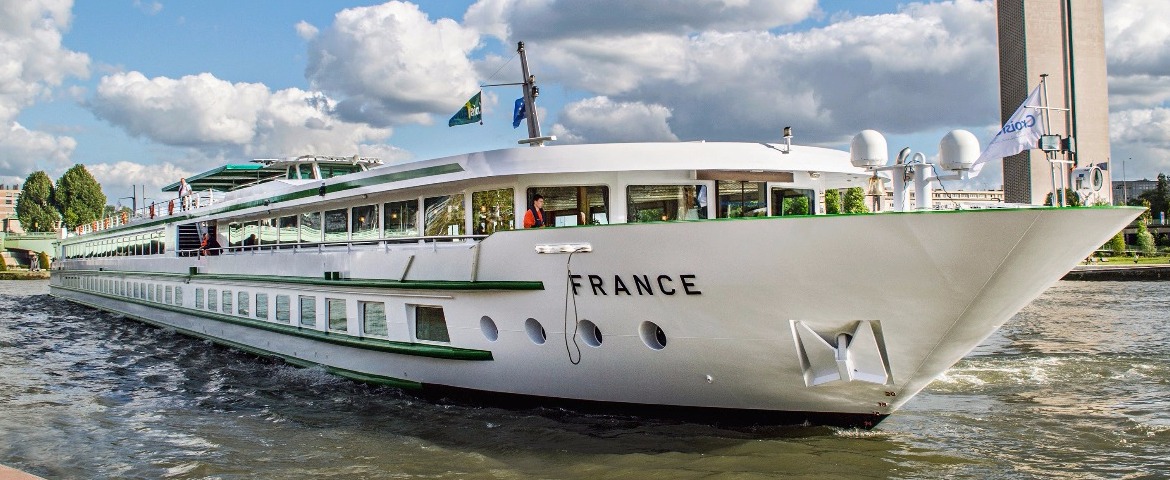
MS L'Europe
1 Cruises
 Image not available

Erlangen, Germany | Cruise Port Guide
Frequently Asked Questions
On the Main-Danube Canal, used by river cruise vessels. The centre is reachable on foot and easy to cover: the streets cross at right angles and the distances stay short.
Because in 1686 a Franconian margrave offered refuge to Huguenots driven out of France and had an entire town laid out for them, with streets drawn by rule and baroque facades aligned with almost mathematical precision. Passengers walking into the centre are moving through a street plan faithful to the 17th century.
No, the war spared Erlangen, which explains the remarkable condition of its baroque heritage. The old town hall, the townhouses and the residences of the Franconian nobility form a coherent whole, with no modern interruption to break the line.
The church built by the French refugees, still the oldest Huguenot church in use outside France. Its plain interior recalls the spirit of the community that built it: craftsmen, glovemakers and weavers who turned a small town into a prosperous city.
The building closes one of the main squares and has housed the Friedrich-Alexander University since the 18th century, which gives Erlangen its student atmosphere. Behind it stretches the Schlossgarten, one of the earliest baroque gardens in Franconia.
A baroque garden of shaded walks, with its parterres and Huguenot fountain, a peaceful stop between one thing and the next. Students revise on the lawns, families push prams: the garden belongs first to the residents, and that is what makes it endearing.
Yes, the university's, right beside the Schlossgarten, gathering about 4,000 plant species in a compact space. The glasshouses and alpine collections take half an hour to see.
A former patrician residence turned Kunstpalais, showing contemporary art exhibitions in a baroque setting. The contrast between historic rooms and current work sums up the town: rooted in its past and turned toward research and creation.
A hill north of the centre, honeycombed with cellars once dug to keep beer cool. Every spring since 1755 the Bergkirchweih has gathered the townspeople around these cellars: it is one of the oldest beer festivals in Germany.
The euro and German. As a university town where Siemens employs thousands of engineers, Erlangen speaks English widely: in the cafés you will find professors, researchers and students from around the world side by side. Cards work in most shops.


