Genthin Germany Saxony-Anhalt

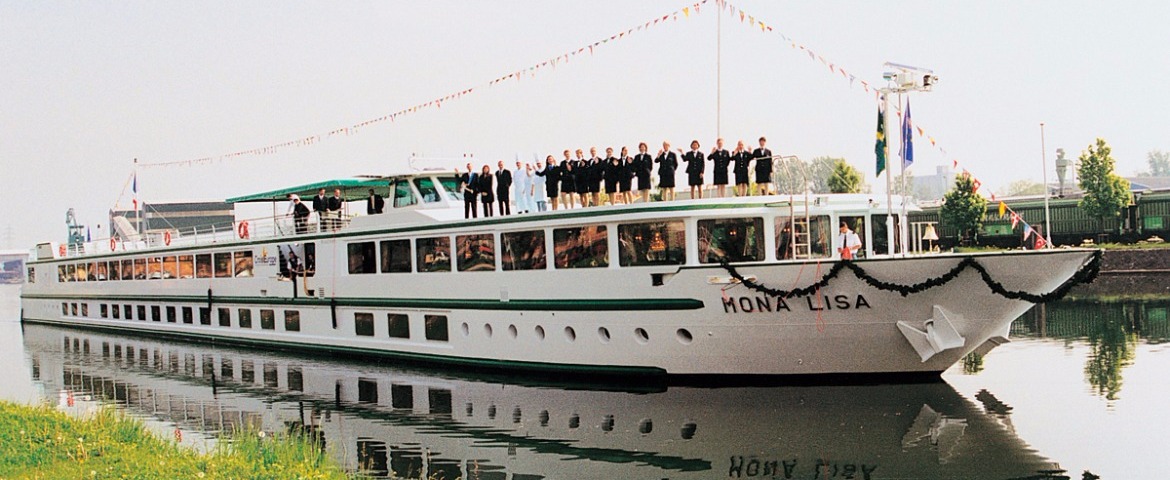
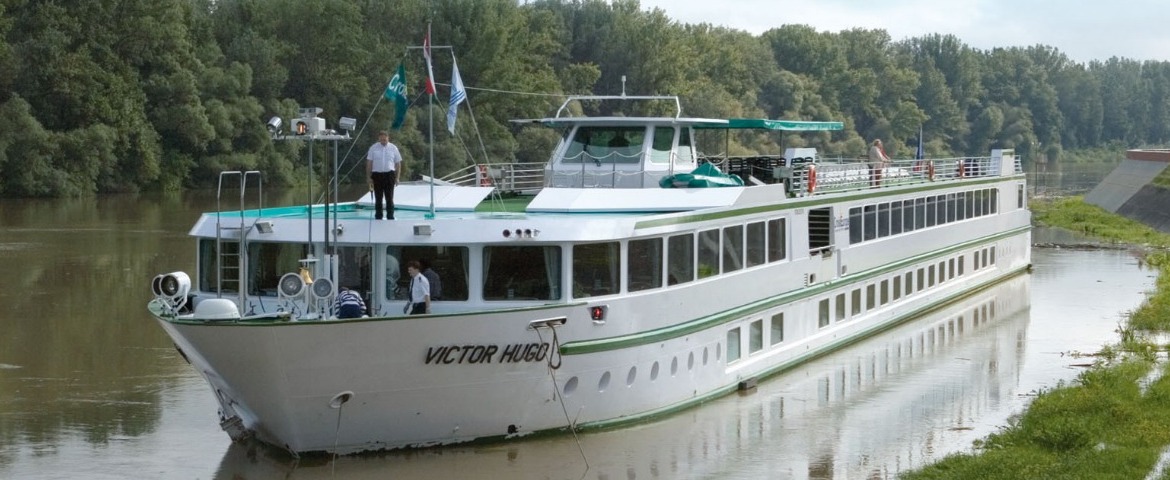
On the canal, time is measured differently. Between Magdeburg and Brandenburg-on-the-Havel, river boats use the Elbe-Havel Canal, a 56-kilometre link between two rivers, and stop at Genthin, a small town in Saxony-Anhalt set in the middle of an agricultural plain. No flood of visitors here: the port call speaks to travellers curious to see the Germany of the eastern countryside, the one that lives to the rhythm of barges, church steeples and markets. The octagonal water tower of 48 metres, visible from afar, serves as a landmark from the ship's deck.

A Town Born of Canals

Genthin owes its development to water. The old Plaue Canal, dug in the 18th century, then the current waterway made the town a relay for barge traffic between the Elbe and Berlin. The centre organizes around the Sankt Trinitatis Church, a sober 18th-century edifice whose tower dominates the rooftops, and a few shopping streets where locals greet each other by name. The Kreismuseum Jerichower Land, a regional museum housed in an old villa, traces local history from navigation to the workshops that built the town's industrial reputation in the last century, notably its detergents, produced here for decades.

The Towpath, Realm of Cyclists

The canal towpath is the halt's most natural draw. Developed for bicycles, it runs straight between tree lines, meadows and locks, travelled by long-distance cyclists connecting Berlin to Magdeburg. Walking an hour along the water, crossing grain convoys and greeting barge captains gives a true sense of the region: flat, green, silent, crossed by birds. A bench facing a lock sometimes suffices for half an hour of contemplation. Grey herons patrol the shores, and storks nest in season on the chimneys of surrounding villages.

Jerichow, the Elder of Brick

Some 10 kilometres north, Jerichow Monastery alone justifies an excursion. Its abbey church, begun in the 12th century, ranks as northern Germany's oldest brick building: builders, lacking stone in this sandy plain, fired local clay and invented a style that would spread throughout the Baltic. The Romanesque cloister, medicinal herb gardens and the site's silence compose a visit of great serenity. Architecture enthusiasts will recognize the ancestor of the great brick churches of Lübeck or Stralsund.

Discreet Nature of the Fiener Bruch

South of the town stretches the Fiener Bruch, a vast zone of wet meadows inherited from ancient marshes. Ornithologists watch here for one of Germany's last great bustard populations, imposing birds now extremely rare in central Europe. Without binoculars or particular patience, you can simply walk or cycle country paths between ditches, pollard willows and isolated farms. This embraced flatness has its own charm, especially under the great changing skies that create the region's light.

The Value of Modest Halts

When the boat casts off, Genthin returns to its affairs without looking back. This stop will enter no tourist rankings, and that is precisely its worth: it shows a country without scenery or staging, where the canal remains a working tool before it is a landscape. River itineraries between Elbe and Havel thus offer breathing spaces whose value you measure later, recalling the voyage. A lock, a water tower, storks: sometimes, that suffices to make a memory.

Frequently Asked Questions

On the Elbe-Havel Canal, in the middle of this small Saxony-Anhalt town. River ships call here between Magdeburg and Brandenburg an der Havel, on a 56-kilometre waterway linking the two rivers. The 48-metre octagonal water tower is your landmark from the ship's deck.
Yes, entirely. The centre, the Sankt Trinitatis church and the Kreismuseum Jerichower Land are a few minutes' walk away. No transport is needed for the town itself.
The towpath is the best use of your time. An hour on foot or by bike between the tree lines, meadows and locks, then the regional museum and a turn through the centre. Genthin is a countryside call, not a monument stop.
Yes, if an excursion is offered. About ten kilometres north, the abbey church begun in the 12th century is considered the oldest brick building in northern Germany. The Romanesque cloister and medicinal herb gardens justify the trip.
No, and it makes no claim to be. No crowds, no staging: this is a canal town that still works for a living. The call suits travellers curious about rural eastern Germany rather than those looking for monuments.
The euro. In a small Saxony-Anhalt town like this one, cash still rules: bakeries, cafés and the market often have no card terminal. Bring notes, because ATMs are not on every corner.
Not much. This is worth knowing before you step ashore: in shops and at the market, German is the working language. A guide or a translation app makes the call considerably smoother.
Yes, and it is the best-suited activity here. The towpath is laid out for bikes and runs straight toward Berlin one way and Magdeburg the other. The terrain is perfectly flat, with no climbing whatsoever.
The Fiener Bruch, south of town, a wide stretch of wet meadows holding one of Germany's last great bustard populations. Grey herons patrol the canal banks and storks nest in season on the chimneys of nearby villages.
May to September, when the storks are present, the country lanes are dry and the wide plains skies give their best light. Off season the landscape turns frankly grey and the stop loses much of its point.