Hannover Germany Lower Saxony

22 Cruises availables At departure or passage at this port

CroisiEurope (22 Cruises)

Hanover, Germany | Cruise Port Guide

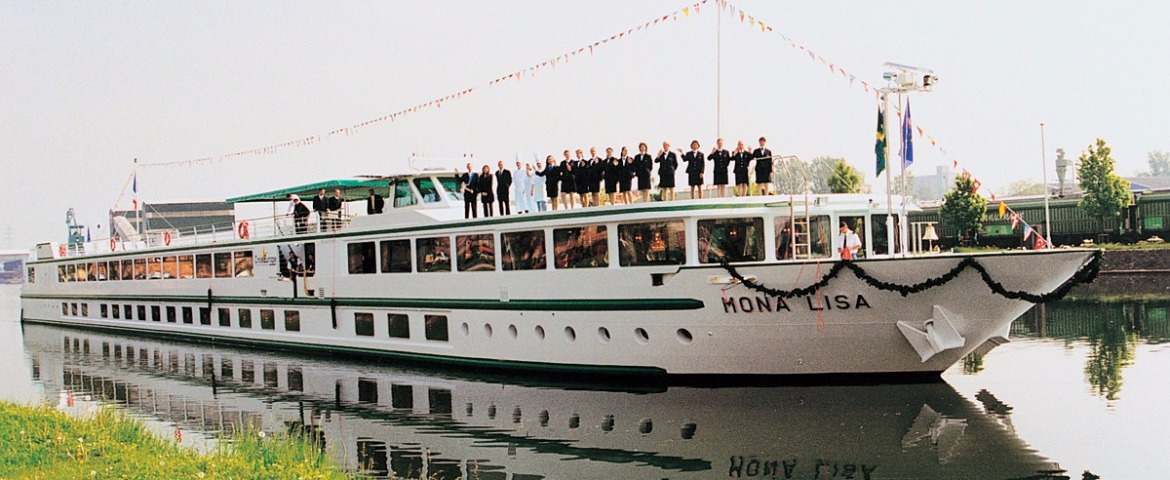
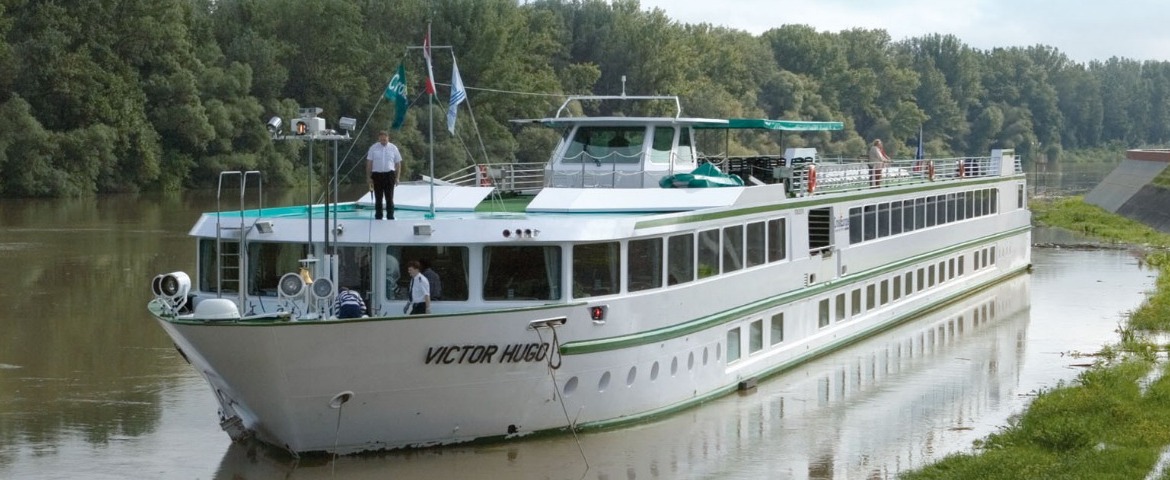
A red line runs along the sidewalks of Hanover. Painted right on the ground, 4.2 kilometres long, it links some thirty places that tell the story of the capital of Lower Saxony: just follow it and Hanover reveals itself in the right order. For passengers on river boats stopping on the Mittellandkanal, the longest artificial waterway in Germany, this line is an invitation: a short tram ride separates the canal banks from the heart of the city, and the stroll can begin.

Along the red line

The route first crosses the station district and its shopping arcades, then reaches the neoclassical opera house and the rebuilt façades of the centre. Each stop has a number, explained in a booklet available at the tourist office, and the whole loop takes two hours at an easy pace. The city of the Guelphs paid a heavy price in the bombings of the Second World War; it reinvented itself without trying to hide its scars, mixing post-war concrete, restored Gothic brick and contemporary creations. This architectural frankness surprises at first, then wins you over.

The old town and the market church

Around the Marktkirche, a 14th-century brick church typical of northern Gothic, a core of lanes lined with half-timbered houses survives. Kramerstrasse lines up its leaning gables above the terraces; the old town hall, all in moulded brick, closes off the market square, where a lively market is still held. The contrast is striking between these few surviving streets and the modern buildings around them, like an antique locket worn on a new outfit. Nearby, the Ballhof, a 17th-century real tennis hall turned theatre, and the house where the philosopher Leibniz lived complete this concentrate of history.

The New Town Hall and its models

A few minutes to the south, set by a pond in a park, the 1913 Neues Rathaus looks more like a castle than an administrative building. In the hall, four models show Hanover in 1689, 1939, 1945 and today: few cities dare to display their own destruction this way. An inclined elevator, following the curve of the dome, lifts visitors to a panoramic gallery from which you can take in the rooftops, the artificial Maschsee lake lined with promenades, the Eilenriede urban forest, larger than Central Park, and, on clear days, the foothills of the Harz.

Herrenhausen, the royal gardens

The tram then takes you to the Herrenhausen Gardens, one of the great achievements of European Baroque art. The Great Garden, laid out from the 17th century for the Guelph court, displays embroidered parterres, linden-lined avenues, a hedge theatre and a great fountain. The grotto reinvented by artist Niki de Saint Phalle, lined with mirrors and colourful mosaics, adds a joyfully unusual note to this classical rigour; in summer, the fountains set the rhythm of the day and fireworks compete on certain evenings above the ponds, carrying on a tradition born in the Baroque era. Her three monumental Nanas, set on the banks of the Leine, have also become familiar figures in the Hanover landscape.

Port of call at a glance

LandmarkGood to know
River stopOn the Mittellandkanal, tram to the centre
Red line4.2 km urban loop painted on the ground
Neues Rathaus domeInclined elevator, panoramic gallery
Herrenhausen GardensDirect access by tram

A capital that doesn't pose

On the way back to the canal, you think again of those models in the town hall: a city can almost entirely disappear and become welcoming, green and peaceful again. Hanover doesn't try to dazzle its one-day guests. It shows them, red line in hand, how a story is rebuilt, and that lesson stays with the traveller for a long time.

Frequently Asked Questions

On the Mittellandkanal, the longest artificial waterway in Germany. River ships call there, and a short tram ride separates the canal banks from the heart of the Lower Saxony capital.
No, the tram is needed. The ride is short and the network straightforward, but this is not a call where you step off directly into the old town.
A line painted straight onto the pavement, 4.2 kilometres long, linking around thirty notable sites. Simply follow it and Hanover unfolds in the right order. A booklet from the tourist office explains each numbered stop.
About two hours at an easy pace for the full loop. That is an ideal format for a port call, since it covers the station district, the neoclassical opera house, the old town and the New City Hall without any route planning on your part.
A cluster of lanes around the Marktkirche, a 14th-century brick church. Kramerstrasse lines up its leaning gables and the old city hall closes off the market square. Be aware that the city was very heavily destroyed in 1943 and 1944: this core is a survivor, not an intact ensemble.
Four models displayed in the entrance hall show the city in 1689, 1939, 1945 and today. Few cities are willing to put their own destruction on show like this. An inclined lift, following the curve of the dome, then carries visitors to a panoramic gallery.
Yes, and the tram goes straight there. The Great Garden, laid out from the 17th century for the House of Hanover, unfolds embroidered parterres, lime avenues and a great fountain. The grotto reimagined by Niki de Saint Phalle, lined with mirrors and mosaics, cheerfully breaks the classical order.
The euro. Cards work in centre shops, museums and on transport, but the German attachment to cash shows up in cafés and at the market square. Keep some notes handy.
Yes, adequately. This is a regional capital and a trade-fair city: English works in hotels, museums and shops in the centre. Outside the centre, German becomes the norm again.
Yes. The red thread turns the visit into a treasure hunt, the panoramic gallery in the dome impresses children, and the Herrenhausen Gardens have summer water displays. Lake Maschsee and the Eilenriede urban forest, larger than Central Park, round out the day.