Hoya-Weser Germany Lower Saxony
12
Cruises availables
At departure or passage at this port
CroisiEurope (12 Cruises)
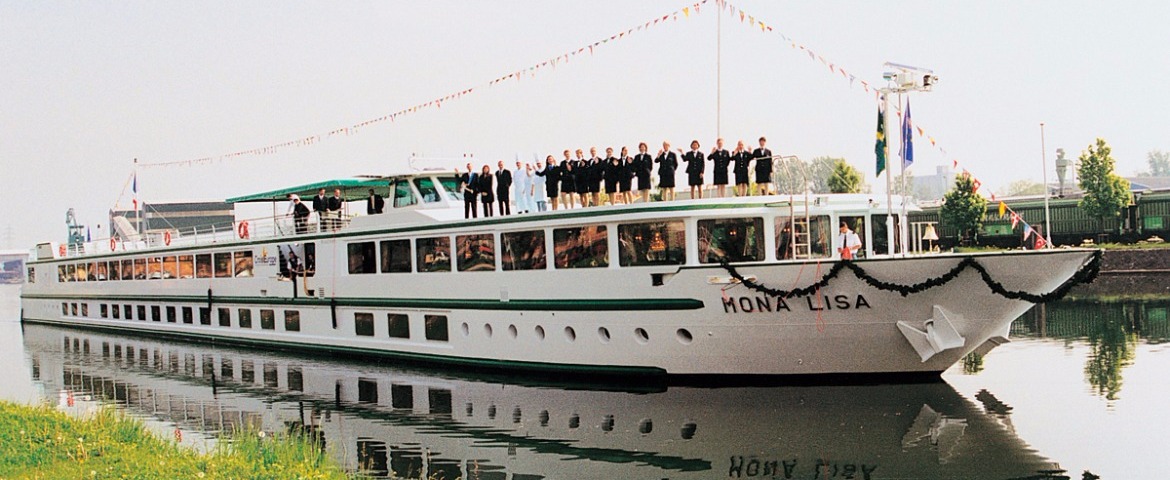

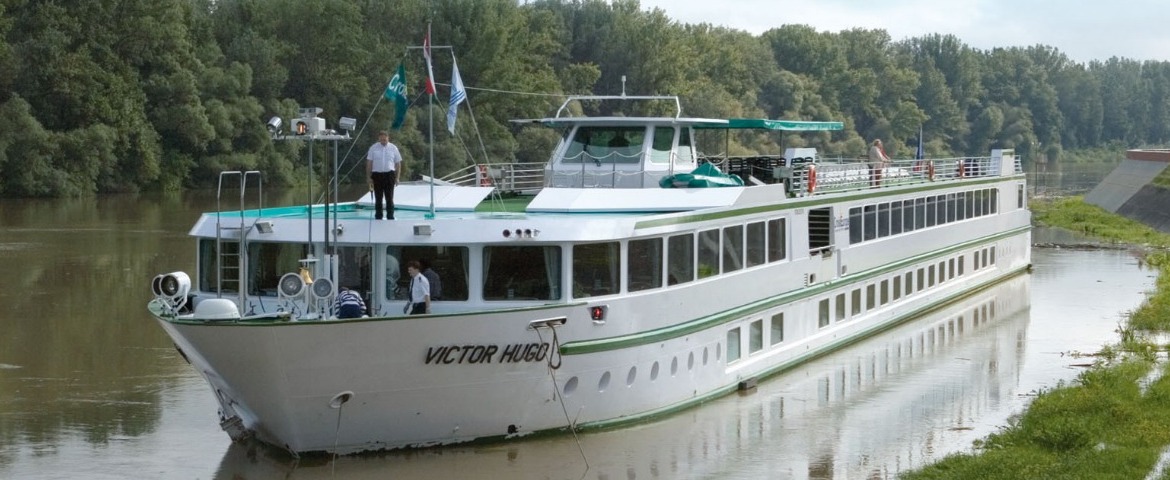
MS Victor Hugo
10 Cruises
| 29 June | 19 days | One-way from Copenhagen to Amsterdam |
450-628-6241
Call us
|
| 29 June | 18 days | One-way from Copenhagen to Amsterdam |
450-628-6241
Call us
|
| 6 July | 11 days | One-way from Berlin to Amsterdam |
450-628-6241
Call us
|
| 6 July | 12 days | One-way from Berlin to Amsterdam |
450-628-6241
Call us
|

Port of Hoya, Germany | Cruise Port Guide
Frequently Asked Questions
On the Weser riverside between Bremen and Nienburg, within walking distance of the counts' castle and the old centre. Hoya has a few thousand residents spread across both banks of the river.
Yes, entirely. The counts' castle, the old town hall, the von Behr manor and the half-timbered houses are all within a few hundred metres. The bridge linking the two banks is an easy walk as well.
A circuit of the counts' castle and old centre, the collegiate church locals call the Bücker Dom, the Martin church converted into a cultural venue, and the county museum. The Weser cycle path fills out the day.
Around 1200, Count Henry I raised a stronghold on an island in the Weser, the cradle of the county of Hoya, which ruled a wide territory until 1582. Remodelled over the centuries, the building still stands near the river.
No, nothing monumental, and that is worth knowing. Hoya offers instead a quiet accumulation of memory that you cross in a few hundred metres. No queues, no chain souvenir shops.
A curiosity within the county museum: old letterpress machines still run for visitors. It is one of the most tangible attractions of the call.
Yes, and it is recommended. The cycle path along the Weser, one of the busiest in Germany, runs through town. Some river ships lend bicycles, letting you follow the river between meadows, farms and brick church towers.
The euro. In a small Lower Saxony town like Hoya, the bakery and cafés often work in cash. Bring notes, since cash machines are not on every corner.
Not much. This is a countryside call where German handles every exchange, and where locals nod in greeting rather than strike up a conversation in English. A guide helps considerably.
An electric cable ferry that carries cyclists and walkers from one bank to the other just outside Hoya, as has been done here for generations. It is a small local experience and a good photograph.


