Karlstadt am Main Germany Bavaria

14 Cruises availables At departure or passage at this port

CroisiEurope (14 Cruises)
Karlstadt am Main, Germany | Cruise Port Guide

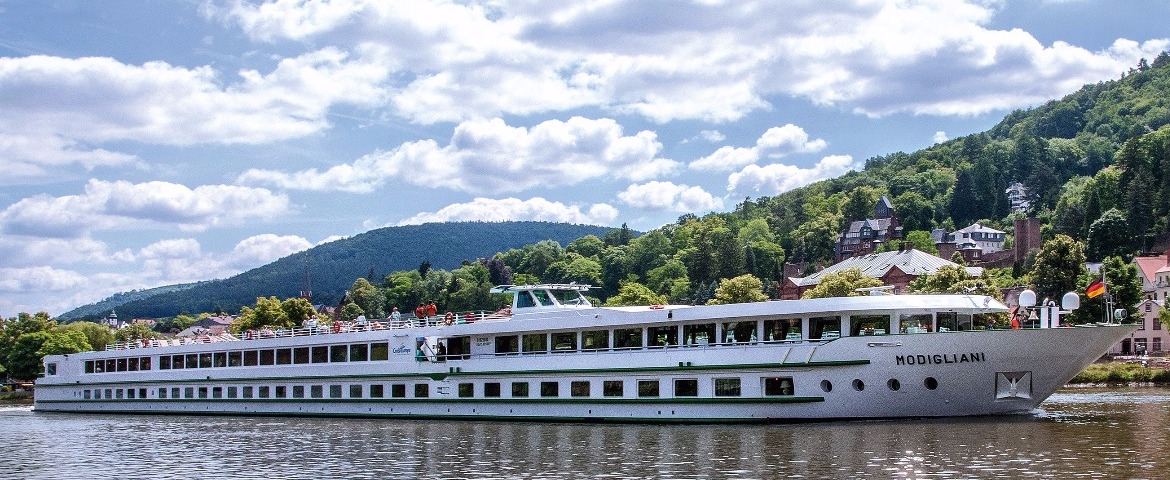
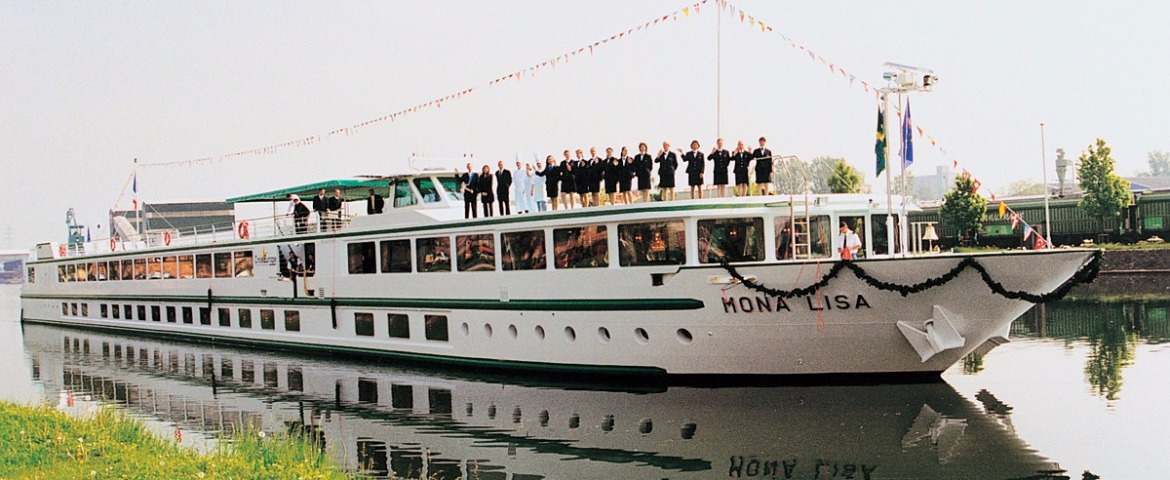
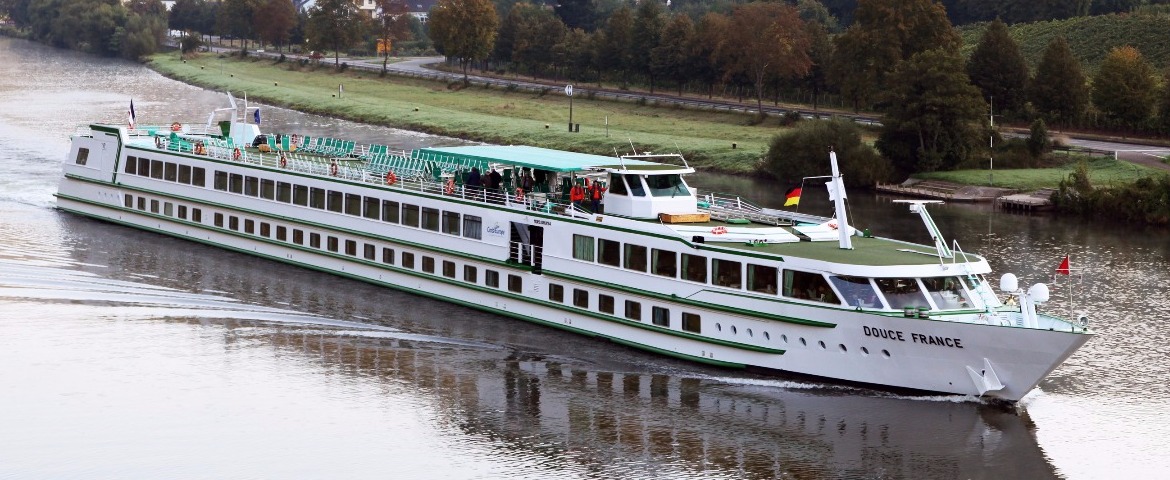
From the ship's deck, the first thing visible is a grey wall punctuated by watchtowers capped with red tile, sitting right at the edge of the Main. Karlstadt am Main has kept its medieval walls almost entirely intact, and it's these that greet the traveller well before the houses do. River boats tie up along the riverbank, just steps from the fortified gate opening onto the old town. Crossing through the Maintor, you move without transition from the twenty-first century into Franconia's Middle Ages, in a setting the centuries seem to have forgotten to change.

A Town Born of a Plan

Founded around 1200 by the prince-bishops of Würzburg, Karlstadt didn't grow by chance: its streets meet at right angles, following a layout established from the start to control river trade. That regularity can still be noticed walking from the main gate to the market square. The half-timbered façades lean gently toward one another, some of them centuries old, restored with a care that's a point of local pride. Taking the time to look up always pays off: carved lintels, wrought-iron signs, and engraved dates each tell a fragment of the town's merchant past.

The Walk Along the Walls

The path running alongside the town walls makes for the finest walk of the stop. Watchtowers, massive gates, turrets: the whole defensive system can be covered at an easy pace in under an hour. On the river side, openings cut into the wall frame the Main and the vine-covered hills on the opposite bank. On the land side, vegetable gardens and orchards tuck in at the foot of the fortifications, exactly as they did when the townspeople tended their plots under the watchmen's protection.

The Market Square and Its Quiet Treasures

At the centre of the old town, the market square brings together the historic town hall and the parish church with its imposing bell tower. Some mornings, local producers come here to sell fruit, cheese, and wood-fired bread. The shops on the surrounding streets are worth stepping into: family bakeries, artisan shops, wine merchants offering the local vintages. A small municipal museum tells the story of the town, from its founding by the bishopric to the winemaking tradition that still sustains it today.

The Vineyards of Franconia

Karlstadt sits at the heart of one of Germany's oldest wine regions, about 25 km downstream from Würzburg. The limestone slopes overlooking the valley produce well-regarded dry whites, Silvaner chief among them, bottled in the bocksbeutel, the round, flattened bottle unique to Franconia. Several wine cellars downtown offer tastings, and a glass of chilled wine enjoyed on a terrace facing the vines that produced it sums up the Franconian way of life on its own. Walkers will also find marked trails climbing into the vineyards: after about twenty minutes of effort, the reward comes in the form of a full panorama over the rooftops, the river, and the town walls seen from above.

A Few Ideas Depending on Your Time

  • One hour: the market square, the church, and the half-timbered lanes.
  • Two hours: add the full walk along the walls and a gourmet break.
  • Half a day: round it out with a wine tasting or a walk through the vineyard slopes.

A Last Look Back

As the lines are cast off, the town wall glides past the railing one last time, its battlements reflected in the Main. Karlstadt is one of those towns some itineraries pass by without stopping, and that's exactly what has preserved it. Those who took the time to walk through it carry home the memory of a Germany on a human scale, where wine, stone, and river have moved at the same pace for eight centuries.

Frequently Asked Questions

On the Main riverside, a few steps from the fortified gate leading into the old town. From the deck you first make out the grey rampart with its red-tiled watchtowers, set right at the water's edge.
Yes, entirely. Passing through the Maintor puts you straight into the old town. The full circuit of the ramparts takes under an hour at an easy pace.
The market square with its historic town hall and parish church, the half-timbered lanes, then the full rampart walk. A Franconian wine tasting or a climb into the vineyards completes the half day.
Because the town was founded around 1200 by the prince-bishops of Würzburg on a plan drawn from the outset to control river trade. Streets meet at right angles, and the regularity is still obvious as you walk toward the market square.
Yes, the medieval wall is almost intact: watchtowers, massive gates, turrets. On the river side, openings in the wall frame the Main and the vineyard slopes on the opposite bank.
The dry whites of Franconia, Silvaner above all, bottled in the Bocksbeutel, the round flattened bottle unique to the region. Several cellars in the centre offer tastings, about 25 kilometres downstream from Würzburg.
Yes. Marked trails climb into the vineyards from town: about twenty minutes of effort gives a full panorama over the roofs, the river and the walls seen from above. It is the only real climb on offer.
The euro. Family bakeries, craft shops and wine merchants in the centre often work in cash. Bring notes, especially if you plan to take a bottle home.
No, and that is what preserves it. River itineraries sometimes pass without stopping. Those who do go ashore find a Franconian old town where wine, stone and river have kept the same pace for eight centuries.
On some mornings regional producers sell fruit, cheese and wood-fired bread on the market square. It is not a daily event: it depends on which day your call falls.