Oldenburg Germany Lower Saxony

22 Cruises availables At departure or passage at this port

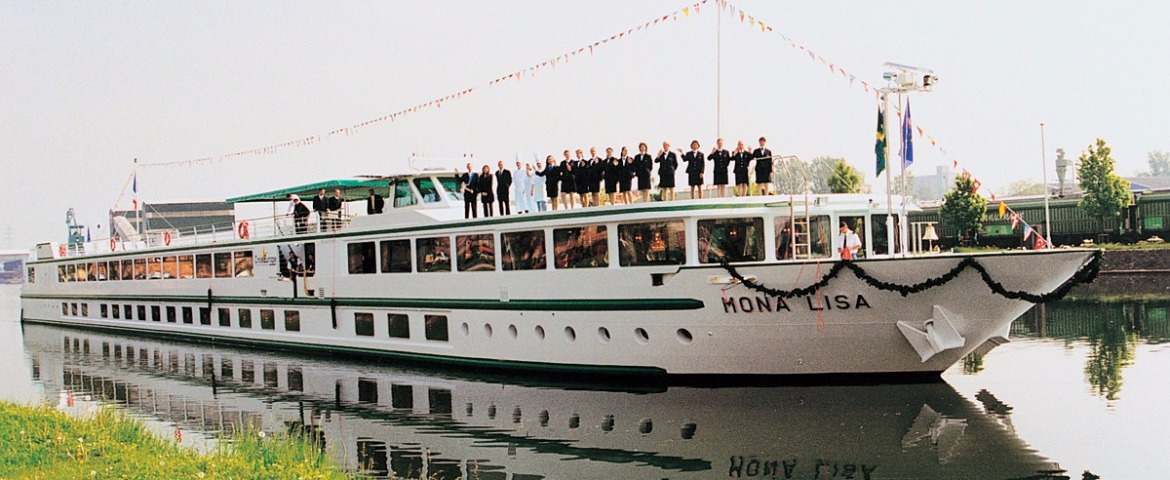
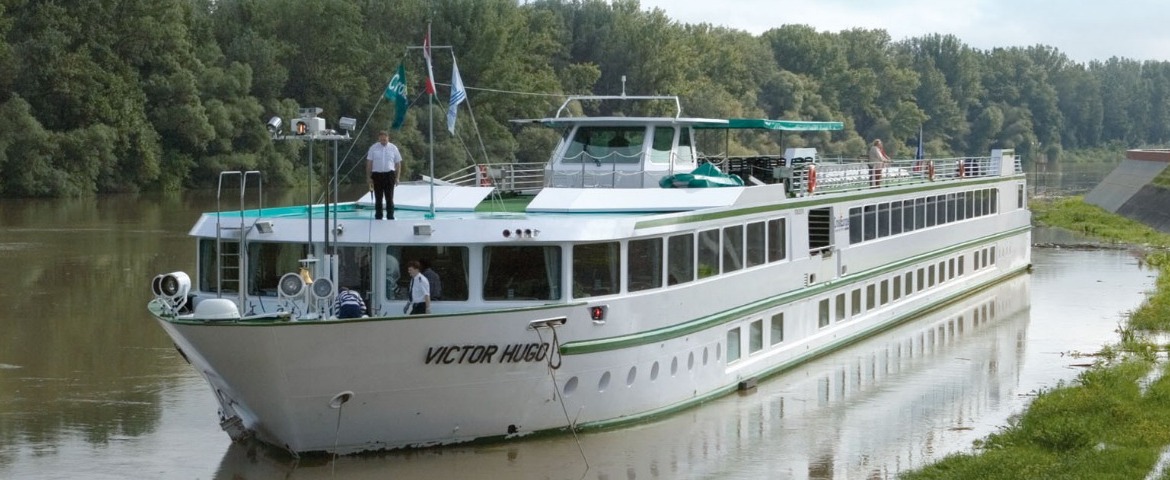
CroisiEurope (22 Cruises)

Port of Oldenburg, Germany | Cruise Port Guide

Five spires announce Oldenburg well before the suburbs: those of the Lambertikirche, which rise 86 metres above the market. The city grew up at a ford on the Hunte, at the crossroads of the canals linking the Weser to the Ems, and the river cruise boats that ply northwestern Germany find here a stop that is both ducal and student-filled, where the bicycle is king and brick is everywhere.

A duchy in yellow

For centuries, the counts and then dukes of Oldenburg governed from their Schloss, a palace of bold yellow that closes off the perspective of the centre. It now houses the state museum of art and cultural history: old masters, ceremonial furniture and period rooms where you can gauge what this small northern court once was. Behind it, the Schlossgarten unrolls its English-style lawns, rhododendrons and lazy canals; residents stroll there with baby carriages and paperbacks at the first ray of sunshine.

The market and the Lambertikirche

On the main square, St. Lambert's Church holds a surprise: behind a Gothic Revival façade with five towers lies a bright classical rotunda, unexpected, added in the 18th century inside a medieval nave. On market days, stalls of smoked fish, cheese and flowers surround the old town hall, and the scent of roasting coffee drifts into the neighbouring lanes: the region vies with East Frisia for the title of Germany's coffee kingdom.

Strolling the pedestrian centre

The old centre closed to cars early on, and you can hear it: conversations, bicycle bells and street musicians. The lanes line up independent shops, bookstores and cafés in brick houses with carefully crafted gables. Art lovers will venture to the Horst-Janssen-Museum, devoted to the virtuoso draughtsman and native son, or to the collections of the Augusteum; others will simply stroll, which here is a perfectly official activity.

Horses, canals and flat country

The city's name circulates in every riding school in the world: the Oldenburg, a breed of elegant sport horses, was born in the pastures surrounding the city. Bike excursions follow the Hunte north, among meadows, farms and locks, on terrain so flat that your calves have no say in the matter. It is the best way to understand this corner of Lower Saxony: channelled water, lush grass, steeples in the distance and an immense sky that makes up half the landscape.

Bremen on an excursion

Itineraries that allow a full day often offer Bremen, about forty kilometres away: its UNESCO-listed market square, the Roland statue, the musicians of the Brothers Grimm fable immortalized in bronze and the Schnoor artisans' quarter, with lanes barely wider than an umbrella. The contrast with Oldenburg's gentleness adds depth to the stay, and the return across the plain, among farms and windmills, is worth the trip on its own.

A well-deserved break

Before returning on board, treat yourself to the local ritual: a pot of coffee served with butter cake or a slice of plum tart, on a terrace if the season allows. The portions are northern-sized, the conversation easy and the bill reasonable. The hurried traveller does not exist in Oldenburg; the term was struck from the vocabulary along with the cars in the centre.

Back on the canal

At departure, the five spires linger for a long time above the trees of the Schlossgarten. You leave a city that is nothing like a stage set and everything like an art of living: ducal yellow, English green and coffee black. Great capitals make you dream; former royal residences teach you how to live well, and the lesson is easily remembered.

Frequently Asked Questions

In Lower Saxony, north-west Germany, at a ford on the Hunte where the canals linking the Weser and the Ems meet. River cruise ships working the north-west call here, and the centre is then walkable.
The yellow palace and its museum, the Schlossgarten, the market square and the Lambertikirche, then a wander through the pedestrian centre. A pot of coffee with butter cake before reboarding is close to compulsory.
The frankly yellow palace closing the view down the centre, residence of the counts and later dukes of Oldenburg for centuries. It houses the state museum of art and cultural history: old masters, state furniture and period rooms.
It hides its hand: behind a neo-Gothic façade with five towers, 86 metres high, opens an unexpected pale classical rotunda added in the eighteenth century inside a medieval shell. The five spires announce the city long before the suburbs.
Yes, and you can hear it: conversations, bicycle bells, street musicians. The old centre closed to cars early, and the lanes are lined with independent shops, bookshops and cafés in brick houses with well-kept gables.
Wander aimlessly. The park unrolls English lawns, rhododendrons and lazy canals behind the palace. Locals arrive at the first ray of sunshine.
Because the Oldenburg, a breed of elegant sport horses, originated in the pastures around the city. Its name circulates in riding arenas worldwide.
Yes, about forty kilometres away. Itineraries with a full day often offer its UNESCO-listed market square, the Roland statue, the Brothers Grimm musicians in bronze and the lanes of the Schnoor.
Yes, and it is the best way to understand this corner of Lower Saxony. Bike excursions follow the Hunte north between meadows, farms and locks, on ground so flat your calves have no say.
The euro. Cards work at museums and city-centre shops, but keep cash for the smoked fish, cheese and flower stalls on market days.