Papenburg Germany Lower Saxony
10
Cruises availables
At departure or passage at this port
CroisiEurope (10 Cruises)

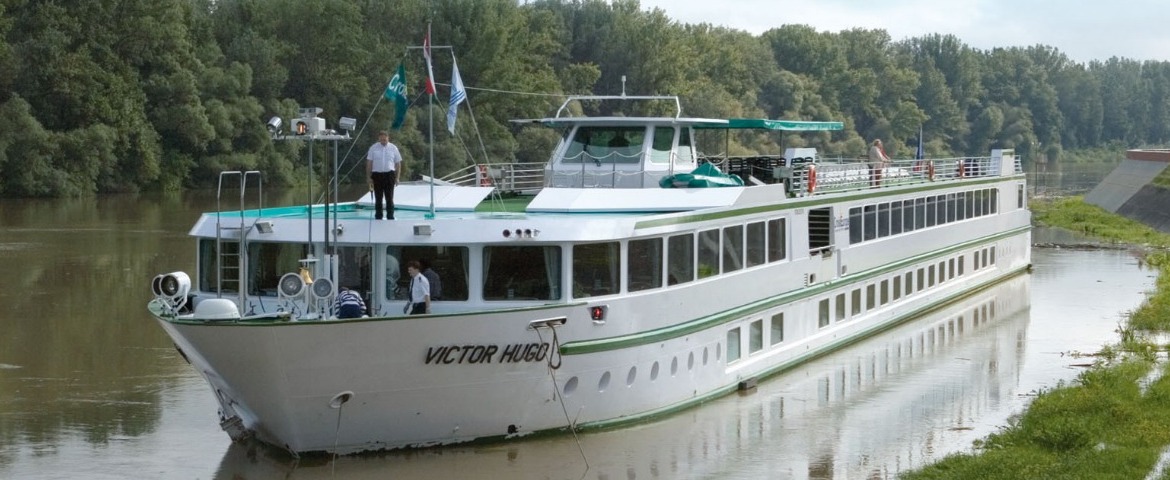
MS Victor Hugo
7 Cruises
Frequently Asked Questions
Because this is where the giants are born. In a basin dug beside the Ems, kilometres from the sea, one of the largest assembly halls in the world builds the cruise ships you later meet in the Caribbean or the Mediterranean.
The family shipyard founded in 1795, which moved from river steamers to giants for the major international lines. Its visitor centre covers 3,500 square metres of exhibition, minutes from the town centre.
Twenty 1:100 models, full-size sample cabins, a six-metre propeller and an interactive map tracking every ship built here in real time. At the end, a glazed gallery opens onto the construction hall.
Yes, as soon as the call date is known: slots go quickly in summer, especially for the guided coach tour of the site. Around 250,000 visitors make the trip each year. Allow a good two hours.
By descending the narrow, winding Ems some forty kilometres to the North Sea, often stern first to hold the channel better. These conveyances draw tens of thousands of spectators onto the dykes.
Only if your call coincides with a delivery, which cannot be arranged. The dates are irregular; if luck is with you, count the day as won.
The Hauptkanal, the town liquid artery, with quays planted with hollyhocks, white lift bridges and historic sailing ships moored in the middle of the street. The reconstructed mills and houses of Von-Velen park tell the story of the peat pioneers.
Because it is the oldest peat-bog colony in Germany: in the seventeenth century, settlers drained the marsh by digging canals that still structure the town centre.
Yes. The giant propeller, the models and the view of a ship under construction impress children greatly, and the flat centre is walkable or cyclable along the canals.
The euro. The visitor centre and its shop take cards; for tea rooms and small quayside shops, keep cash.


