Peenemunde-Usedom Usedom Island Germany

29 Cruises availables At departure or passage at this port

CroisiEurope (29 Cruises)

Peenemünde, Germany | Usedom Island Travel Guide

A red brick chimney towers over the northern tip of Usedom Island, visible long before the ship docks. It belongs to the former power plant of the Peenemünde test centre, where the Peene River meets the Baltic. Few German ports of call pack so much 20th-century history into such a compact area: the quay, the museums and the pine heath can all be explored on foot, with no transportation or detours.

A quay steeped in memory

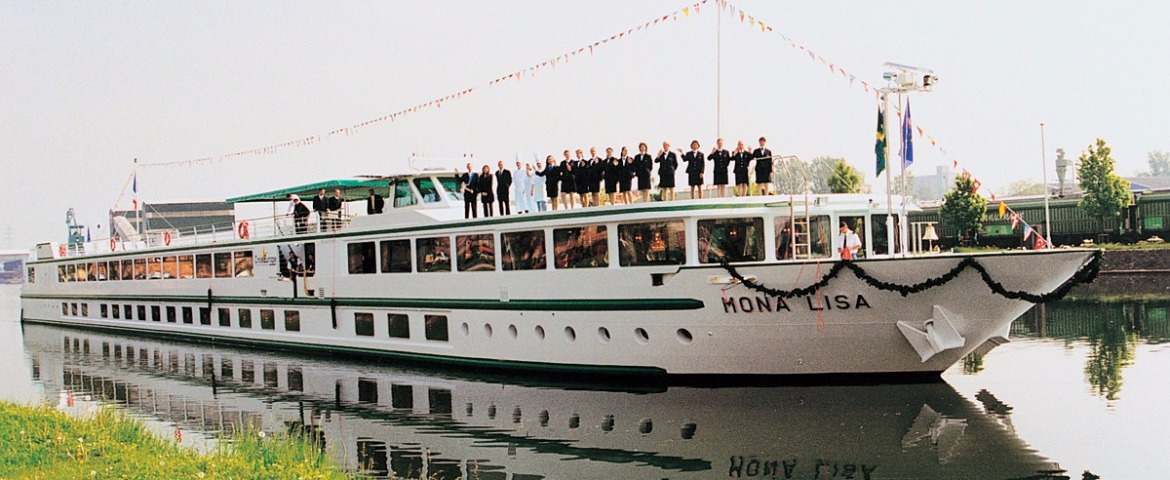
River cruise boats and small coastal vessels moor directly in the basin, a few steps from the main attractions. From the gangway, the setting sets the tone: hangars, cranes and military silhouettes converted into places of remembrance. The village itself remains discreet, a few quiet streets between the shore and the forest. Here, everything revolves around the site's technical past, and the walk naturally follows the water.

The Kraftwerk and the birth of rockets

The Historical Technical Museum occupies the former coal-fired power plant, a brick colossus whose halls tell a two-sided story. It was at Peenemünde that the A4 rocket, better known as the V2, was developed, the first ballistic missile in history, successfully launched in October 1942. The exhibition hides nothing: neither the engineering feat that paved the way for space flight nor the forced labour and destruction linked to the program. The power plant's terraces also offer a wide view over the basin and the coast. Allow at least two hours to tour it without rushing.

A Soviet submarine at the quay

Back on the quays, a long dark hull immediately catches the eye: the U-461, a Cold War-era Soviet submarine turned into a floating exhibition. Climbing down into its narrow passageways is worth it for anyone who does not mind confined spaces. Control stations, stacked bunks and torpedo tubes: the interior recreates the daily life of a crew beneath the Baltic. The whole visit takes about an hour and nicely complements the story told at the Kraftwerk.

Hands-on science and coastal pine forests

Nearby, the Phänomenta centre offers a lighter break: dozens of interactive experiments where you play with light, sound and mechanics. Families will find plenty to enjoy, especially on grey days. Those who prefer sea air will instead follow the trails heading into the pine forests to the south. The long sandy beaches of Karlshagen lie a few kilometres away, reachable by bike on flat, well-maintained paths, a pleasant way to appreciate the contrast between the island's present-day tranquillity and its industrial past.

Port call pointers

  • The Historical Technical Museum and the U-461 are right beside the basin, with no transportation needed.
  • Allow half a day to combine the Kraftwerk, the submarine and a stroll along the water.
  • Bike rentals let you reach the neighbouring seaside villages along the island's cycling paths.
  • The site is exposed to the offshore wind: a windbreaker makes the outing more comfortable, even in summer.

Leaving the tip of Usedom

The ship heads back out onto the Baltic and the brick chimney lingers long in view, as if to remind you that this peaceful corner of the Baltic changed the history of technology. You leave with contrasting images: pines on the sand, a silent heath and the trajectory of a rocket that, launched from here, eventually led humanity into space. There is rarely enough time to explore everything in depth, and that may be the best reason to keep Usedom in mind for a future visit.

Frequently Asked Questions

Directly in the basin, steps from the main sights, at the northern tip of Usedom island where the river Peene meets the Baltic. Quay, museums and pine heath are all walkable, with no transport or detour.
Because this is where the A4 rocket, better known as the V2, was developed, the first ballistic missile in history, successfully launched in October 1942. A red brick chimney, from the test centre former power station, dominates the point and is visible long before docking.
The Historical and Technical Museum, housed in the former coal power station. The exhibition hides nothing: neither the engineering feat that opened the way to spaceflight, nor the forced labour and destruction tied to the programme. Allow at least two hours.
Yes. The U-461, a Soviet Cold War submarine, is moored at the quays as a floating exhibition. Control stations, stacked bunks, torpedo tubes; allow about an hour.
No. The passageways are narrow and the space confined: going below does not suit claustrophobic visitors or those with reduced mobility. Better to know before queueing.
The Phänomenta centre nearby offers dozens of interactive experiments handling light, sound and mechanics. Families do well there, especially on grey days.
Yes, the long sandy beaches of Karlshagen lie a few kilometres away, reachable by bike on flat, well-kept paths. Bike rentals also reach the neighbouring seaside villages.
The Kraftwerk, the submarine and a stroll by the water fill an unhurried half day. Anyone preferring sea air should take the paths heading south into the pine woods.
The site is exposed to the open-sea wind: a windbreaker makes the outing markedly more comfortable, even in summer. Walking shoes help on the sandy paths.
The euro. The museums take cards, but the village stays low-key, a few quiet streets between shore and forest: keep cash for bike rentals and kiosks.