Potsdam Germany Brandenburg

22 Cruises availables At departure or passage at this port

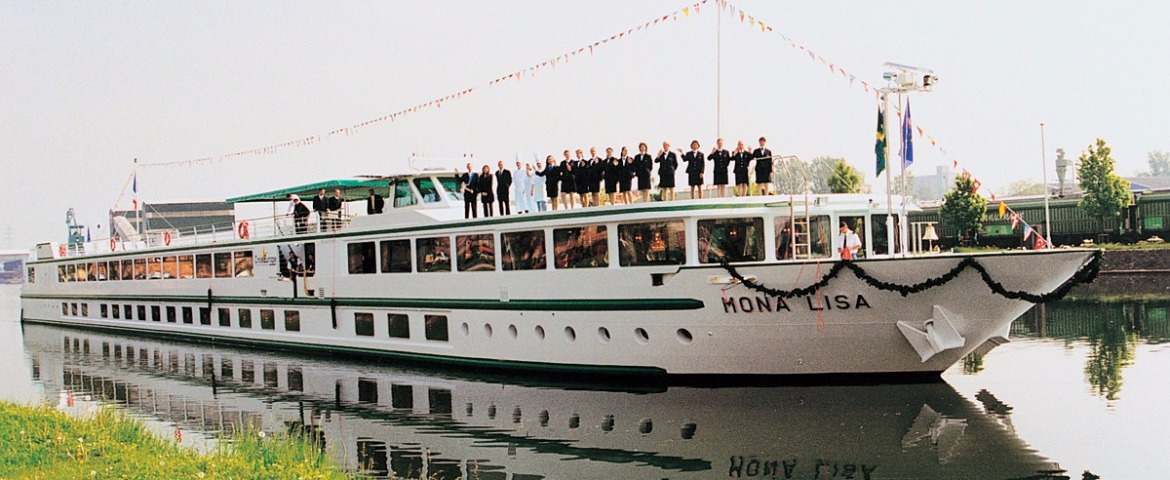
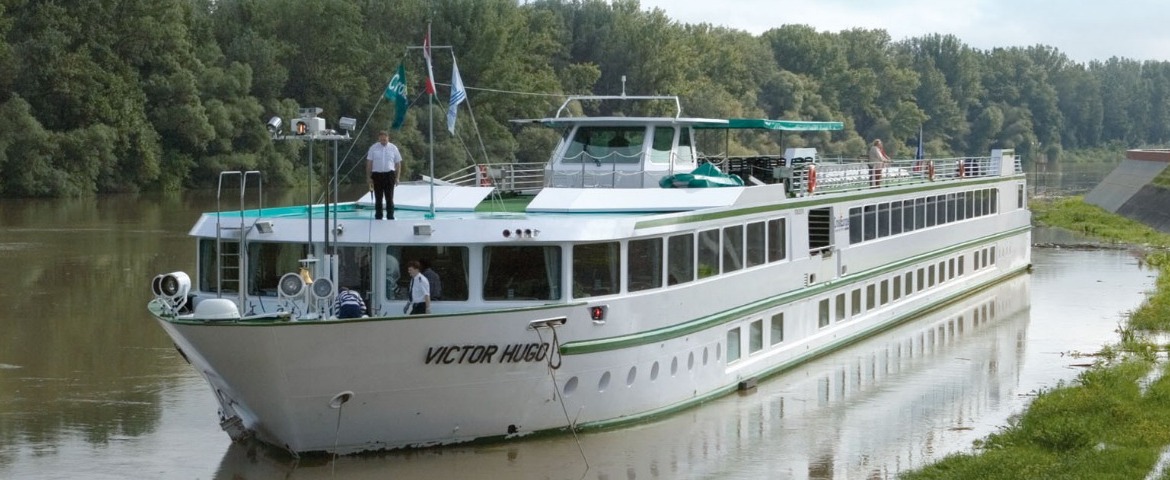
CroisiEurope (22 Cruises)

Potsdam, Germany | Prussian Heritage Travel Guide

Long before spotting the quays, travellers realize that Potsdam is like no other stop on the Havel. The river widens into a succession of forest-lined lakes, then domes, colonnades and princely rooftops emerge between the trees. The residence of the kings of Prussia for more than two centuries, the capital of Brandenburg spreads around its centre one of the largest ensembles of royal residences and parks in Europe, a UNESCO World Heritage Site since 1990.

Arriving along the Havel

Depending on the itinerary, river cruise boats dock at the central quays near the Lange Brücke, a few minutes' walk from the old town, or to the north, on the shores of the Jungfernsee. From the deck, you can already see the dome of St. Nicholas Church, designed by the architect Karl Friedrich Schinkel, which towers over the Old Market Square and the rebuilt City Palace, now the seat of the state parliament.

Sanssouci, the vineyard turned palace

The Sanssouci estate begins about two kilometres from the quays, a distance covered by streetcar, bus or on foot through the elegant streets of the centre. Frederick II had this single-storey summer residence built between 1745 and 1747, set at the top of a terraced vineyard. The central staircase climbs between the trellises to the yellow façade adorned with atlantes, from where the view plunges over the fountains and avenues of the park. Farther into the gardens, the New Palace displays the grandeur the king wanted after the Seven Years' War, while the historic mill recalls the legend of the miller who stood up to the sovereign.

The Dutch Quarter and the streets of the centre

Back toward the heart of the city, Mittelstraße lines up some 130 gabled red brick houses, built in the 18th century to attract craftsmen from the Netherlands. This Dutch Quarter, unique in continental Europe for its scale, has filled up with cafés, galleries and artisans' shops. Two streets away, Potsdam's Brandenburg Gate, built in 1770, predates its famous Berlin namesake by twenty years; it opens onto Brandenburger Straße, the pedestrian street where everyday life beats.

Cecilienhof and the memory of the 20th century

North of the centre, in the New Garden bordering the Jungfernsee, Cecilienhof looks like a half-timbered English manor. It was here that Truman, Stalin and Churchill, and then Attlee, divided up Europe at the Potsdam Conference in the summer of 1945. The negotiating rooms can still be visited. Following the water south, you reach the Glienicke Bridge, nicknamed the Bridge of Spies: during the Cold War, intelligence services exchanged their agents there above the Havel, exactly on the line that separated the two Germanys.

Planning your port call

  • On foot from the central quays: Old Market Square, St. Nicholas Church, the Dutch Quarter and the shopping streets.
  • By streetcar or bus: Sanssouci Park and the New Palace; allow half a day for the gardens.
  • On an organized excursion: Cecilienhof, the New Garden and the Glienicke Bridge combine easily.
  • Interiors often require a timed ticket: book early in high season.

Leaving between two shores

In the evening, as the boat resumes its course along the Havel, the parks file past one last time behind the reeds. Potsdam leaves the unique impression of a garden city where every generation, from philosopher kings to the diplomats of 1945, sought to leave its mark by the water. Passengers leave with images of vine-planted terraces and bridges heavy with secrets, and an open desire to come back someday to count the palaces they did not have time to see.

Frequently Asked Questions

Depending on the itinerary, at the central quays near the Lange Brücke, minutes on foot from the old town, or to the north on the shores of the Jungfernsee. The Havel widens here into a chain of forest-fringed lakes.
On foot from the central quays: the Old Market, St Nicholas church, the Dutch Quarter and the shopping streets. By tram or bus: Sanssouci park and the New Palace, which need half a day on their own.
The single-storey summer residence Frederick II had built between 1745 and 1747, set atop a terraced vineyard. The central staircase climbs between the vines to the yellow façade with its atlantes, from where the view drops over the pools and avenues.
The estate begins about two kilometres away, a distance covered by tram, bus or on foot through the elegant streets of the centre.
Yes, the interiors often require a timed ticket. Book early in high season, or you may have to settle for the gardens, which are lovely but incomplete.
The Mittelstraße and its some 130 red-brick gabled houses, built in the eighteenth century to attract craftsmen from the Netherlands. Unique in continental Europe for its scale, the quarter has filled with cafés, galleries and artisan shops.
An English-style half-timbered manor in the New Garden bordering the Jungfernsee, where the Potsdam Conference was held in the summer of 1945. The negotiation rooms can still be visited.
The bridge of spies: during the Cold War, intelligence services exchanged agents there over the Havel, exactly on the line dividing the two Germanys. It is reached by following the water south from Cecilienhof.
Yes, since 1990. Around its centre the city unfolds one of the largest ensembles of royal residences and parks in Europe, seat of the kings of Prussia for more than two centuries.
The euro. Cards work at the palaces, museums and restaurants, but keep cash for Dutch Quarter cafés and local transport.