Saarburg Germany Rhineland-Palatinate

27 Cruises availables At departure or passage at this port

CroisiEurope (27 Cruises)

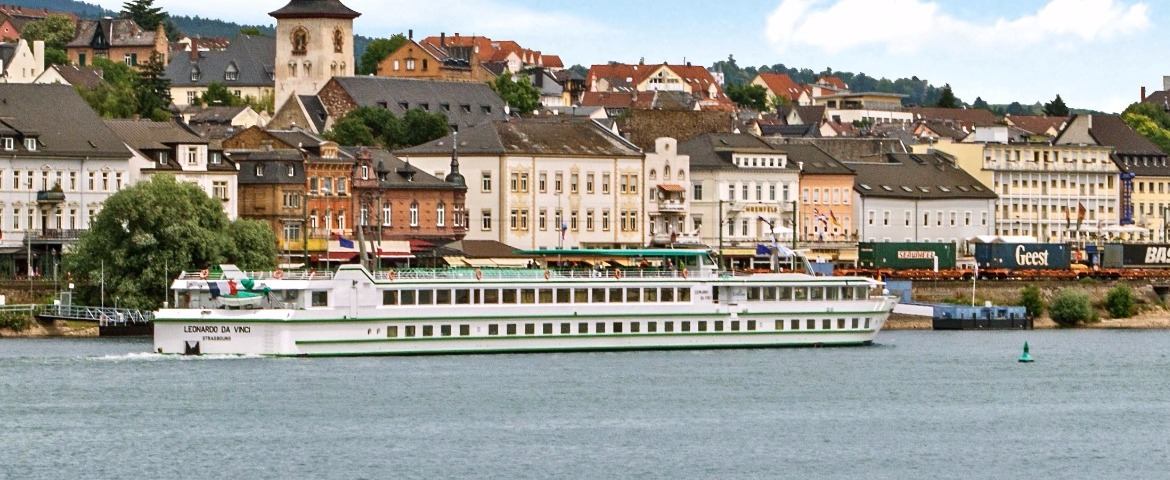
Cruise CE Croisieurope MS Leonard de Vinci ship

MS Leonard de Vinci

139 Passengers
Visit the ship's page

Port of Saarburg, Germany | Cruise Port Guide

Few towns can boast a waterfall right in the centre. In Saarburg, the Leuk stream plunges nearly twenty metres between the houses, with a roar you can hear from the upper lanes. Around this cascade, a small wine town clings to the hillside beneath the ruins of a thousand-year-old castle, while below, the Saar traces a lazy curve where river ships tie up.

Climbing to the Buttermarkt

From the riverbank, stairs and steep alleys climb to the Buttermarkt, the old butter market. This is where the Leuk drops into the void, among half-timbered façades; viewing platforms let you lean out over the churning water. An old mill still has its wheel and machinery, a reminder of the days when waterpower drove the local economy. The neighbouring terraces offer front-row tables. In the morning, as the little square wakes up, you hear the water before you see it: just follow the sound.

The archbishops' castle

Continuing the climb, you reach the ruins of the fortress, whose origins date back to the 10th century. The archbishops of Trier made it one of the valley's strongholds. From the restored tower, the panorama rewards the effort: the bend of the Saar, slate roofs, St. Lawrence's Church and rows of vines climbing the slopes. You come back down by shaded paths winding between gardens. A chairlift also climbs to the Warsberg lookout above the rooftops: a gentle ascent, a wide view of the valley and an orientation table at the top.

The Little Venice of the Saar

Along the Leuk, upstream from the waterfall, old houses almost dip their foundations into the current, earning the neighbourhood its nickname of Little Venice. Flower-decked bridges, pastel façades and cafés create a setting perfect for photos and tasty breaks alike. Nearby, the former Mabilon bell foundry, active until the early 2000s, is open to visitors: moulds, furnaces and bells awaiting delivery tell of a craft that has almost disappeared; bells cast here still ring in bell towers around the world.

Riesling from steep slopes

Saarburg also lives from its vines. The slopes above the town produce Rieslings renowned for their crisp minerality, to be tasted in the cellars of the centre or directly at the winegrowers'. In season, marked vineyard trails offer an easy walk between the rows, with the valley as a backdrop and, sometimes, a ship gliding silently below. In the fall, the slopes turn gold and the presses fill the lower lanes with their aroma.

Practical pointers

  • Mooring at the foot of the old town; waterfall and Buttermarkt about a ten-minute climb away.
  • Castle: reached on foot by steep paths; good shoes recommended.
  • Bell foundry and mill: short visits, ideal between two walks.
  • Currency: euro. Riesling tastings offered in several cellars in the centre.

The sound of water that lingers

Back on board, the roar of the waterfall stays in your ears and, in your eyes, that improbable meeting of a torrent and a market square. Saarburg is a pocket-sized port call, but it concentrates everything that makes the valley charming: vines, slate, running water and the patience of old things. The kind of place you leave with a slower step.

Frequently Asked Questions

At the foot of the old town, on a lazy bend of the Saar. The waterfall and the Buttermarkt are about a ten-minute climb from the bank, up stairways and steep lanes.
Yes, and it is the town's signature. The Leuk stream drops nearly twenty metres between the houses, among the half-timbered façades of the Buttermarkt. In the morning you hear the water before you see it: just follow the sound.
Climb to the Buttermarkt for the waterfall and the old mill, continue to the castle ruins for the panorama, then come back down through the little Venice along the Leuk. That still leaves time for a glass of riesling in a cellar in the centre.
You earn it: access is on foot by steep paths and good shoes are recommended. From the restored tower the panorama repays the effort — the bend of the Saar, the slate roofs, St. Laurence's church and the rows of vines.
Yes, a chairlift climbs to the Warsberg viewpoint above the rooftops. The ride is gentle, the view over the valley wide, and an orientation table waits at the top. It is the right solution for anyone not up to the castle paths.
Because upstream of the waterfall, along the Leuk, the old houses almost dip their foundations in the current. Flower-decked bridges, pastel façades and cafés make up the most photographed corner of town.
The former Mabilon foundry, in operation until the early 2000s and now open to visitors. Moulds, furnaces and waiting bells tell the story of a craft that has all but vanished, and bells cast here still ring in steeples around the world.
Yes, several cellars in the centre offer tastings, and you can also call directly on the growers. The slopes above the town produce rieslings known for their mineral freshness.
Not easily, and it is fairer to say so. The town clings to the slope: stairs, steep lanes, uneven cobbles. The riverbank and the lower town remain accessible, but the Buttermarkt and the castle demand strong legs.
The euro, with cash for the small cellars. The good window runs May to October: in autumn the slopes turn gold and the presses scent the lower lanes. In season, marked vineyard trails make for easy walking between the rows.