Schwedt-Oder Germany Brandenburg
28
Cruises availables
At departure or passage at this port
CroisiEurope (28 Cruises)
MS Mona Lisa
18 Cruises
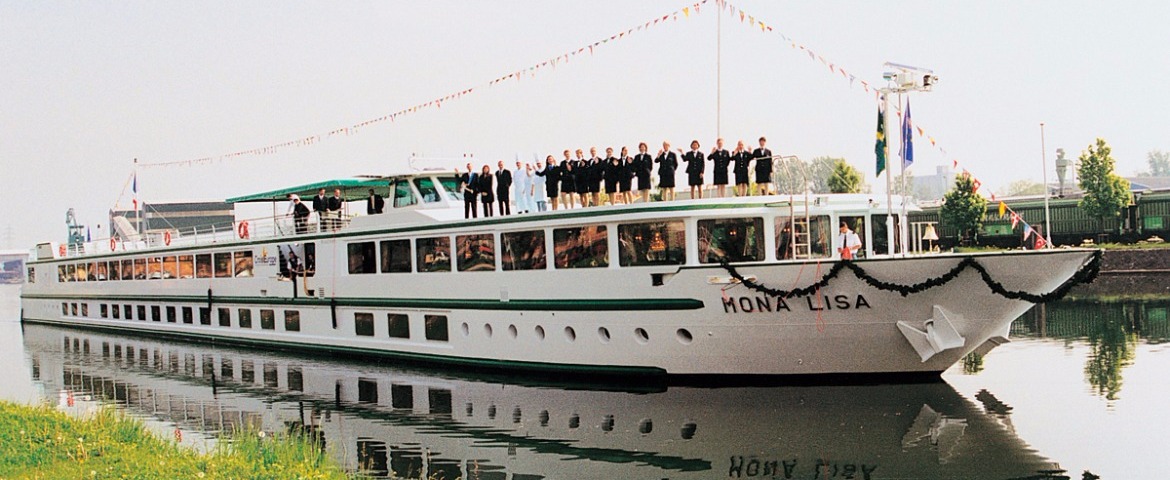

| 10 June | 6 days | One-way from Berlin to Stralsund |
450-628-6241
Call us
|
| 10 June | 7 days | One-way from Berlin to Stralsund |
450-628-6241
Call us
|
| 17 July | 7 days | One-way from Stralsund to Berlin |
450-628-6241
Call us
|
| 17 July | 6 days | One-way from Stralsund to Berlin |
450-628-6241
Call us
|
MS Victor Hugo
10 Cruises
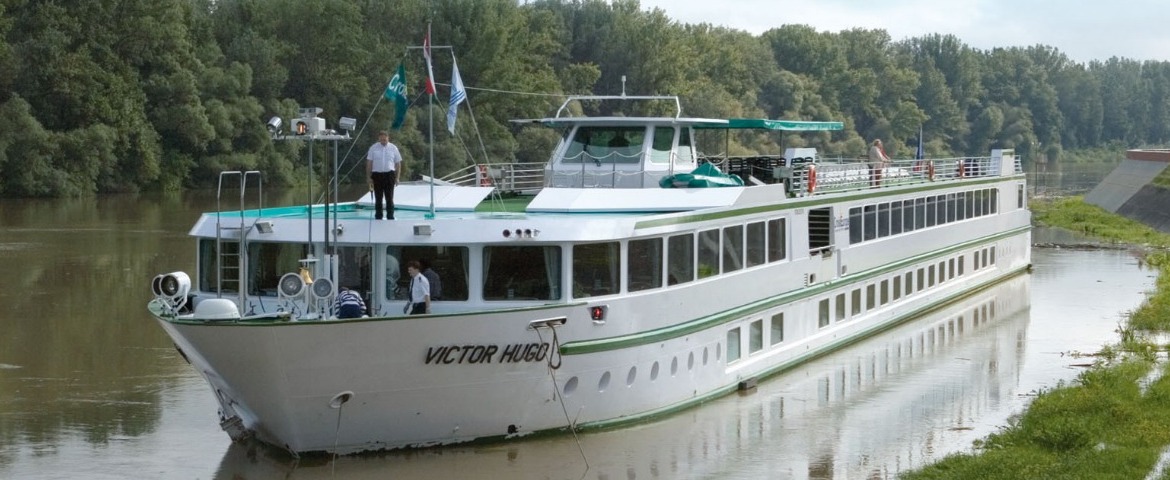
| 15 May | 7 days | One-way from Berlin to Stralsund |
450-628-6241
Call us
|
| 15 May | 6 days | One-way from Berlin to Stralsund |
450-628-6241
Call us
|
| 30 June | 6 days | One-way from Stralsund to Berlin |
450-628-6241
Call us
|
| 30 June | 7 days | One-way from Stralsund to Berlin |
450-628-6241
Call us
|
Schwedt an der Oder, Germany | Cruise Port Guide
Frequently Asked Questions
Nature, not monuments. Schwedt is the gateway to the Lower Oder Valley National Park, Germany's only wetland national park. Anyone looking for palaces or ramparts will be disappointed; anyone coming for the birds will not.
A town rebuilt without pretence. Largely destroyed in 1945, it was raised again pragmatically, and its interest lies in the details: the Uckermärkische Bühnen theatre, a few restored churches, generous green spaces and a landscaped waterfront.
Take a bicycle and the dike paths. They are flat, they cross an amphibious landscape of polders, woods and meadows, and herons fish a few metres from walkers. Add the national park house at Criewen, a few kilometres south.
More than 140 bird species nest in the polders, from warblers to harriers. Beavers and otters frequent the backwaters: their traces, pencil-sharpened trunks and slides down the bank, show up with a little attention. Nothing is guaranteed, but the odds are good.
Autumn, without hesitation. Flights of geese and cranes in their thousands turn the sky into a moving score. Spring and summer suit the nesting birds well enough, but the migration spectacle is on another scale.
The national park house and its interactive exhibition, ideal for understanding how the polders work, plus a landscape park laid out in the 19th century by Peter Joseph Lenné, gardener to the kings of Prussia. It is the best starting point for the marked trails.
A museum recounting the era when this region was among Germany's great tobacco lands. The crop was introduced around 1680 by French Huguenots welcomed by the Brandenburg court, and the long drying barns still punctuate the landscape.
Yes, frankly: they are the most useful item of the call. Without them you see a flat landscape and water; with them you see harriers, herons and sometimes a beaver. Since the dike paths are flat, renting a bicycle is also a good idea.
It runs down the middle of the current, with nothing to mark it but the maps. The far bank is Poland: bring identification if your excursion is due to cross.
The euro, and cash: this is rural country with scattered shops. The town has chosen to make the river, long a front line, its main asset, but it does not offer the services of a conventional tourist call.


