Stolzenau-Weser Germany Lower Saxony
10
Cruises availables
At departure or passage at this port
CroisiEurope (10 Cruises)
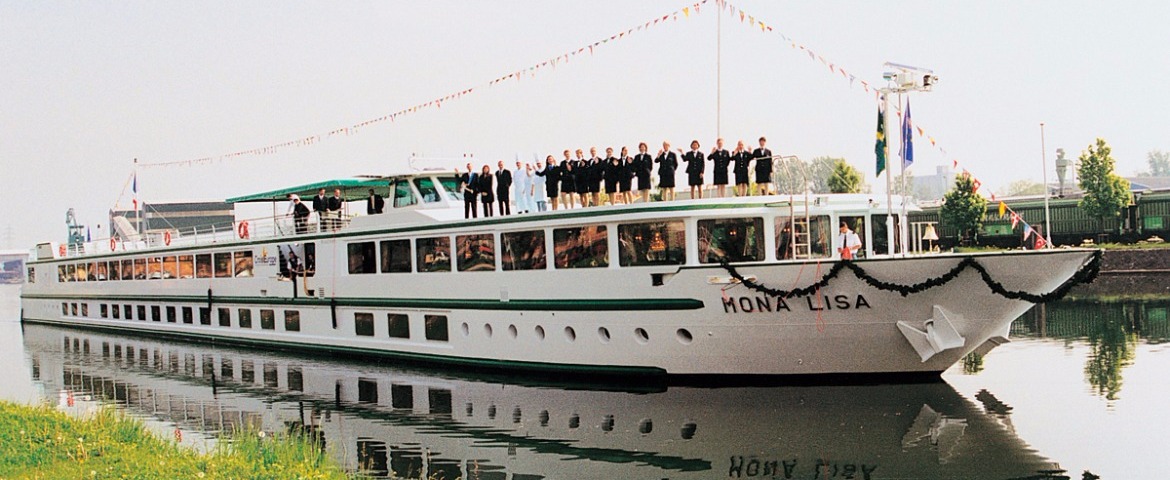

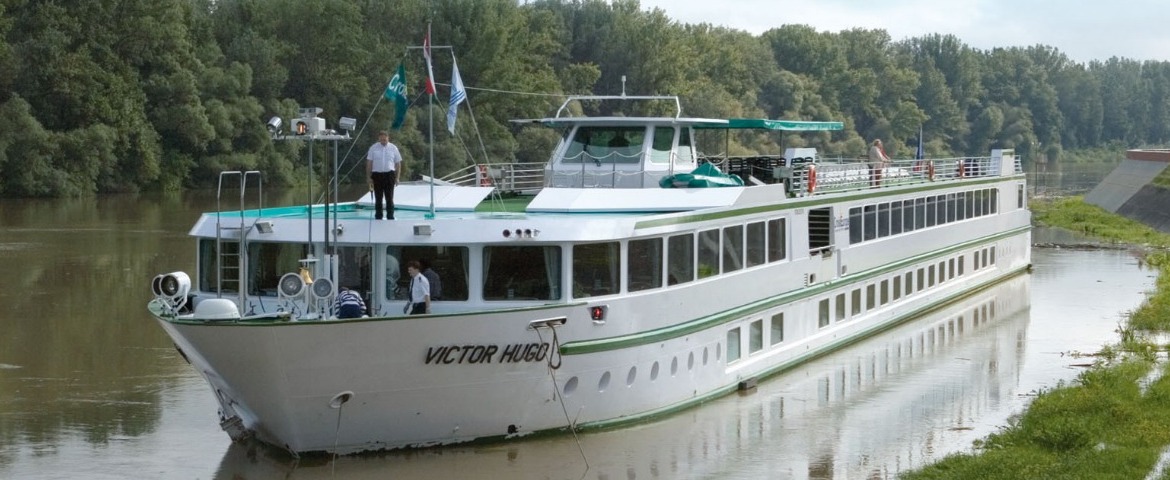
MS Victor Hugo
7 Cruises
Stolzenau, Germany | Lower Saxony Travel Guide
Frequently Asked Questions
A call with no famous monument, and it is better to know that as you step ashore. Stolzenau is a community of around 8,000 people on the Weser, in the heart of the Lower Saxony plains: meadows, steeples, half-timbered houses and time flowing at the pace of the water.
Three things fit easily into half a day: the village centre with its church and timber framing, the former Schinna monastery a short distance away, and a long walk along the banks. Add a coffee and a slice of cake, which is no small matter here.
The most striking visit of the call. Founded in 1148 and abandoned at the Reformation around 1540, this Benedictine house keeps its conventual buildings and an air of rural retreat that eight centuries have not dispelled.
With a castle. The settlement grew in the 14th century around a castle of the counts of Hoya, recorded as early as 1346, which made it a comital residence. The street pattern and a few survivors in brick and timber date from that era.
Yes, and it is worth a look: the Petra Solara revives the old tradition of crossing from bank to bank, running on solar power. Service depends on the season, so check before you count on it.
Yes, and it is the best way to see the area. The Weser cycle route, one of the busiest in Germany, crosses the district, and a former railway line converted into a trail links neighbouring villages across the fields.
A half-timbered centre and a regional museum that round out the day nicely. Some lines organize a transfer to this town a little downstream, known for its market and its past as a fortified town. Allow two unhurried hours.
For those who like real places, yes; for those ticking off monuments, no. What the stop offers is not easily photographed: rural northern Germany, its red brick farms, its tractor drivers who wave at walkers and its bakeries where dark bread still comes out of the oven in the afternoon.
A little, and with goodwill on both sides. Conversations start easily, often in approximate English; this is not a call with guides or translated menus. The currency is the euro and cash remains useful.
The birds of the valley, mainly: herons fishing in no hurry, ducks, waders. The banks suit long easy walks with no climbing, and the river really does define the place.


