Stralsund Germany

56 Cruises availables At departure or passage at this port

CroisiEurope (56 Cruises)

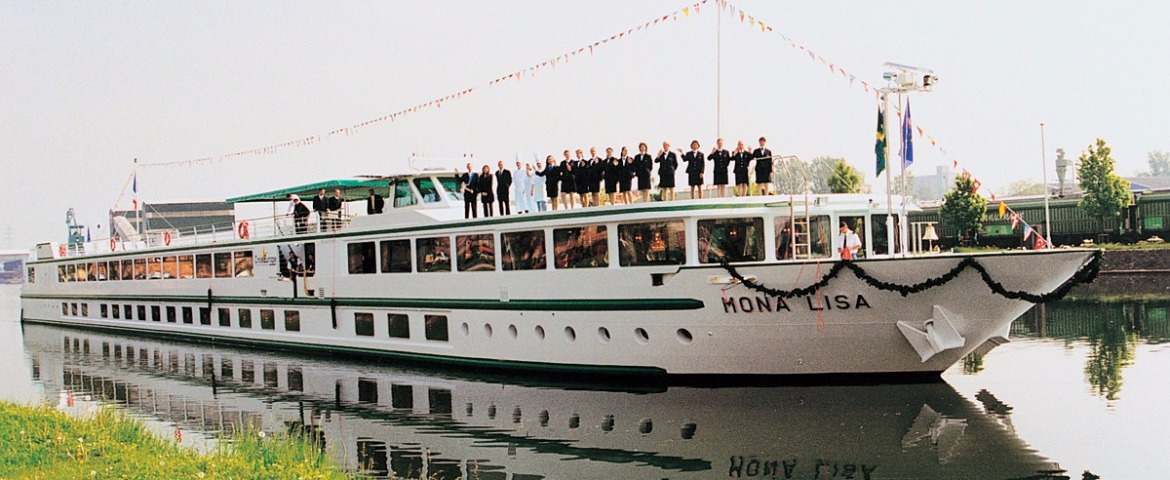
Cruise CE Croisieurope MS Mona Lisa ship

MS Mona Lisa

92 Passengers
Visit the ship's page
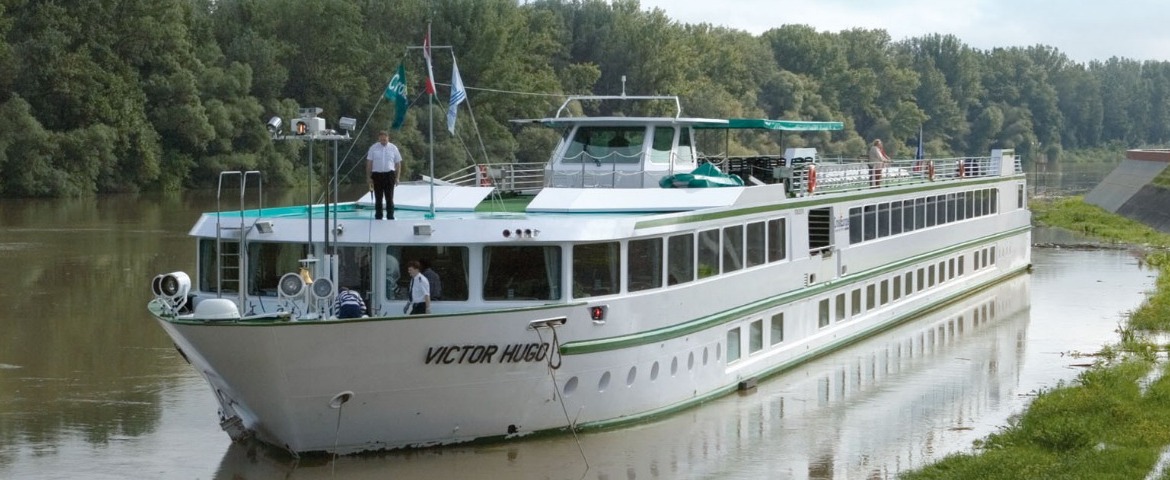
Cruise CE Croisieurope MS Victor Hugo ship

MS Victor Hugo

86 Passengers
Visit the ship's page

Stralsund, Germany | Baltic Cruise & Travel Guide

Three red-brick steeples stand out against the Baltic sky, so tall they seem to challenge the clouds. Seen from the Strelasund, the stretch of sea separating it from the island of Rügen, Stralsund immediately announces its rank: that of a great medieval merchant city, built by the Hanseatic League and preserved with such care that it has earned a place on the UNESCO World Heritage List. For travellers, the call combines Gothic architecture, museums of European calibre and fresh sea air.

An island for an old town

The historic centre occupies an island surrounded by water, between the strait and ponds that once served as defences. Ships stop at the harbour basin, a short distance from the first lanes. Within a few steps, gabled façades follow one another, from the purest brick Gothic to the pastel tones of the Baroque, reflecting seven centuries of maritime trade. Wandering comes naturally: almost every street opens onto a monumental church or an arcaded square.

The Alter Markt and the town hall

The Old Market Square brings together the best of the city. The town hall displays one of the finest façades of brick Gothic architecture in northern Germany: an openwork screen of rose windows and pinnacles that supports nothing except the pride of the merchants who raised it in the 14th century. Behind it, St. Nicholas' Church retains a lavish interior, astronomical clock included. Climbing the tower of St. Mary's Church, a little farther south, rewards the effort of several hundred steps with a view that takes in the old rooftops, the strait and Rügen.

The Ozeaneum, showcase of the cold seas

On the harbour, a white building with wave-like curves houses the Ozeaneum, Germany's most visited oceanographic museum, winner of a European award. Its aquariums recreate the worlds of the Baltic, the North Sea and the Atlantic, up to the large tank where schools of herring swim. Upstairs, life-size whale replicas float in the half-light, a moment of contemplation that visitors of all ages share in silence. The nearby Meeresmuseum, housed in a former convent, completes the picture with its natural history collections.

SiteLocationSuggested time
Alter Markt and Gothic façadeHeart of the old town45 minutes
OzeaneumOn the harbour2 hours
St. Mary's Church towerSouth of the old town45 minutes

Flavours of the coast

Along the quays, stalls and boat counters serve Fischbrötchen, the small bun filled with pickled herring, salmon or shrimp that you eat standing up facing the water. Restaurants in the centre offer local fish in more elaborate versions, paired with a regional beer brewed in the northern German tradition. In fine weather, the terraces around the basin offer a constant show of sailboats and motor launches heading out to sea.

Rügen on the horizon

The large cable-stayed bridge that has spanned the strait since 2007 leads in a few minutes to Germany's largest island, famous for its chalk cliffs. Some longer calls allow an excursion to Jasmund National Park and its white cliffs plunging into an emerald sea. The contrast between the red brick of the Hanseatic city and the dazzling chalk of the cliffs makes one of the finest summaries of the German Baltic.

Casting off for the open sea

On departure, the three steeples slowly shrink behind the Rügen bridge, and you think of the Hanseatic merchants who, from these same quays, shipped herring and beer throughout northern Europe. Stralsund has kept from that era a quiet pride and a sense of proportion: nothing showy, everything solid. It is a call that gives you a taste for the Baltic, its bricks, its mists, and the seafarers' tales it is only too happy to tell.

Frequently Asked Questions

At the basin, a short distance from the first lanes of the historic centre. That centre occupies an island ringed by water, between the strait and ponds that once served as defences: within a few steps, gabled façades follow one another.
The winning trio fits into the day: 45 minutes for the Alter Markt and its gothic façade, two hours at the Ozeaneum on the port, and 45 minutes for St. Mary's church tower if your legs are willing.
Germany's most visited ocean museum, award-winning across Europe, in a white wave-curved building on the port. Its aquariums recreate the Baltic, the North Sea and the Atlantic, up to the great tank where shoals of herring circle.
Very much so. Upstairs, life-size whale replicas float in the dim light, a moment of contemplation visitors of every age share in silence. The neighbouring Meeresmuseum, housed in a former convent, rounds out the visit.
Its façade, one of the finest examples of North German brick gothic: a pierced screen of rose windows and pinnacles that supports nothing except the pride of the merchants who raised it in the 14th century.
Yes, the tower of St. Mary's church, a little south of the Alter Markt. It takes several hundred steps, but the view takes in the old rooftops, the strait and the island of Rügen. It is not for everyone.
Because it has preserved its Hanseatic ensemble with rare care. A great medieval merchant city built by the Hanse, it has kept its gabled façades, from the purest brick gothic to the pastel tones of the baroque, across seven centuries of maritime trade.
The Fischbrötchen, a bread roll filled with pickled herring, salmon or shrimp, sold on the quays and eaten standing up facing the water. Restaurants in the centre serve local fish in more elaborate versions, with beer brewed in the North German tradition.
Yes, the great cable-stayed bridge that has spanned the strait since 2007 reaches Germany's largest island in a few minutes. Some longer calls allow an excursion to Jasmund National Park and its chalk cliffs.
The euro, cards accepted in the centre and at the Ozeaneum. The ground is flat but cobbled, and wandering comes naturally: nearly every street opens onto a monumental church or an arcaded square.