Straubing Germany Bavaria
41
Cruises availables
At departure or passage at this port
Uniworld Boutique River Cruise (41 Cruises)
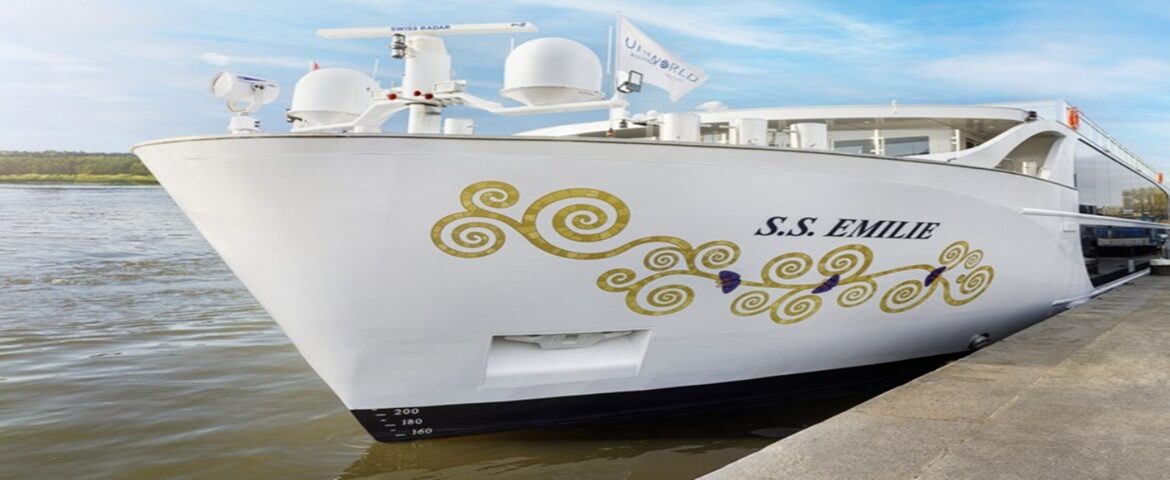
S.S. Émilie
41 Cruises

Straubing, Germany | Bavaria Travel & Cultural Guide
Frequently Asked Questions
Yes, a few minutes' walk from the river quay is enough. The Danube banks and a wildlife park are also within walking distance, which lets you choose your programme without depending on a coach.
The most important Roman hoard ever found on Bavarian soil. In 1950, workers digging a trench uncovered a copper cauldron filled with parade masks, armour and figurines worn at Roman cavalry tournaments.
At the Gäubodenmuseum in the centre. Its Roman rooms hold one of the richest collections of the kind in southern Germany, and the iron and bronze face masks rank among the most astonishing pieces in German archaeology.
A long, drawn-out square, as often in Danube towns, divided into Theatre Square and Ludwig Square by the 68-metre gothic city tower. Around it, gothic, Renaissance and baroque façades make up a three-century course in architecture.
Yes, and the climb repays the effort with a view over the rooftops, the Gäuboden plain and the bend of the river. Built in the 14th century to watch for fires, it also asserted civic pride.
St. James's Basilica, a vast gothic hall church with old stained glass and a remarkable altarpiece, then the Carmelite church and its neighbour St. Ursula, decorated by the Asam brothers: the latter shows Bavarian baroque fervour at its most exuberant.
A barber's daughter who became the secret wife of the heir to the duchy of Bavaria, condemned for witchcraft and drowned in the Danube in 1435 on her father-in-law's orders. A chapel in St. Peter's cemetery holds her gravestone, and the town devotes a theatre festival to her every four years.
Bavaria's second largest beer festival after Munich's Oktoberfest: every August it draws more than a million people. If your call falls then, expect a transformed town, far busier than usual.
Because of the Gäuboden, an exceptionally fertile loam plain that has fed the region since antiquity. That agricultural wealth explains the Roman presence, and later the generous squares and ambitious churches of the medieval town.
The brasseries in the centre serve local beers, pork roast with crisp crackling, white sausages with sweet mustard and plump pretzels. In fine weather the beer gardens fill up under the chestnut trees and visitors fit right in. Currency: the euro.


