Sulfeld Germany Schleswig-Holstein
10
Cruises availables
At departure or passage at this port
CroisiEurope (10 Cruises)
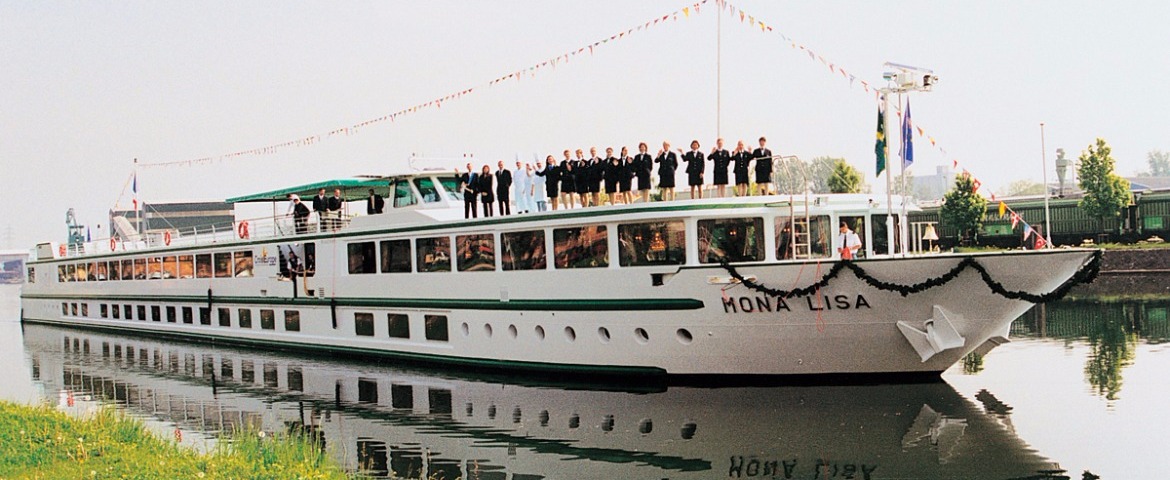

MS Victor Hugo
7 Cruises
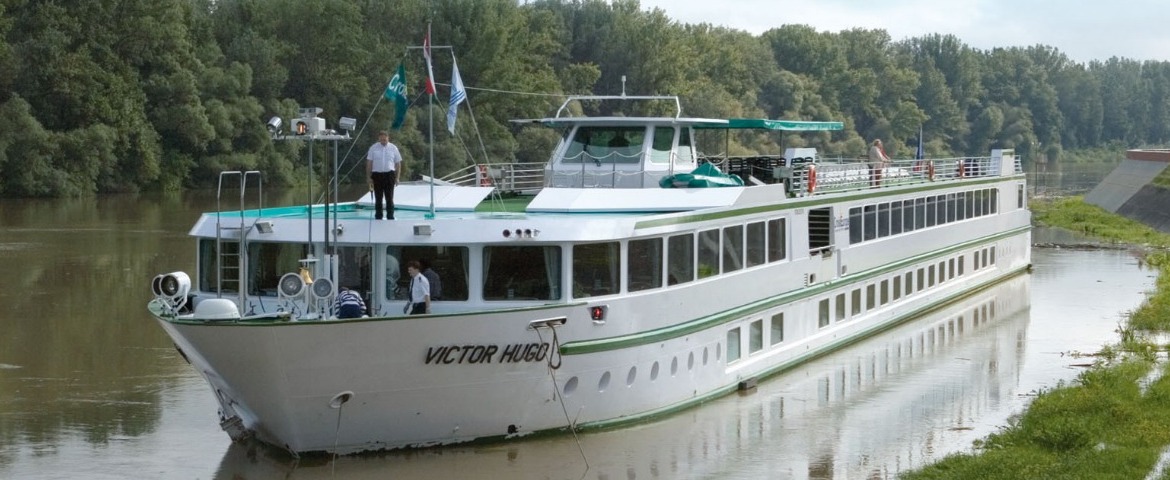
Sülfeld, Germany | Schleswig-Holstein Travel Guide
Frequently Asked Questions
An hour of real German countryside, and you should know that before stepping ashore: no terminal, no souvenir shops, no famous monument. Sülfeld is a farming village in Holstein, some thirty kilometres north of Hamburg.
Its story of a canal that never was. In the 16th century, Hamburg and Lübeck set out to link the North Sea to the Baltic by stitching together the Alster and Beste rivers. Work began in 1526, the first boats passed in 1529, then everything stopped some twenty years later.
Little, but what remains is a protected archaeological monument: a few grassy hollows and old alignments you can follow with your eye in the middle of the village. The canal needed locks by the dozen and more water than the rivers could supply.
The church, recorded as early as 1207, whose red brick outline marks the centre from a distance: thick walls, stepped gable, a peaceful churchyard. Push the door if it is open; the cool of old northern country churches has its own way of stopping time.
Yes, the most elegant leads to the Herrenhaus Borstel, about two kilometres north-west of the village. The manor presents its baroque façade at the end of a tree-lined avenue, surrounded by an old-style garden. You get there on foot or by bicycle along quiet roads.
Yes, in the Nienwohlder Moor reserve, a protected peat bog stretching between the two rivers. Trails cross wet heath, birches and rush meadows. In spring, lapwings and skylarks fill the sky; autumn turns the bog russet and gold.
Yes, the district capital lies thirteen kilometres away. It is known throughout Germany for its limestone rock and its open-air theatre: that is the option for anyone with a little more time.
Moderately, and it is only fair to say so. There is no attraction or museum aimed at younger visitors: the appeal lies in walking, birds and quiet. Children who like being outdoors will enjoy it; others will find the day long.
Not much, honestly. The call is lived on foot or by bicycle, between the church, the manor and the bog. Failing that, there is the village inn for a shared beer, and the canal story to tell that evening in the panorama lounge.
The euro, and cash without fail: shops are few and nothing guarantees they take cards. German is the only working language, and there are no organized tourist services at the mooring.


