Torgau Germany Saxony

492 Cruises availables At departure or passage at this port

Viking River Cruises (492 Cruises)

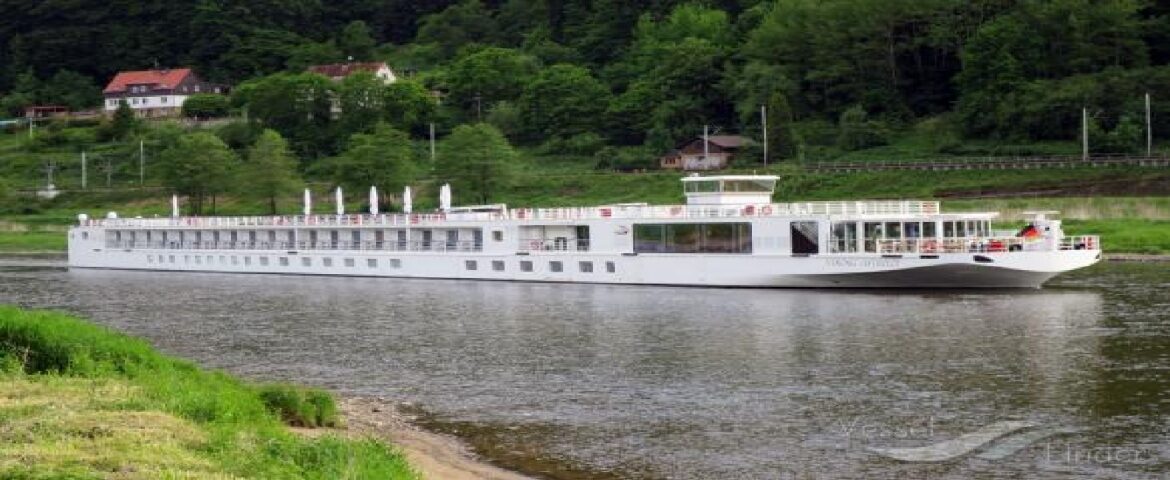
Viking Longships Astrid.

Viking Longships Astrid

126 Passengers
Visit the ship's page
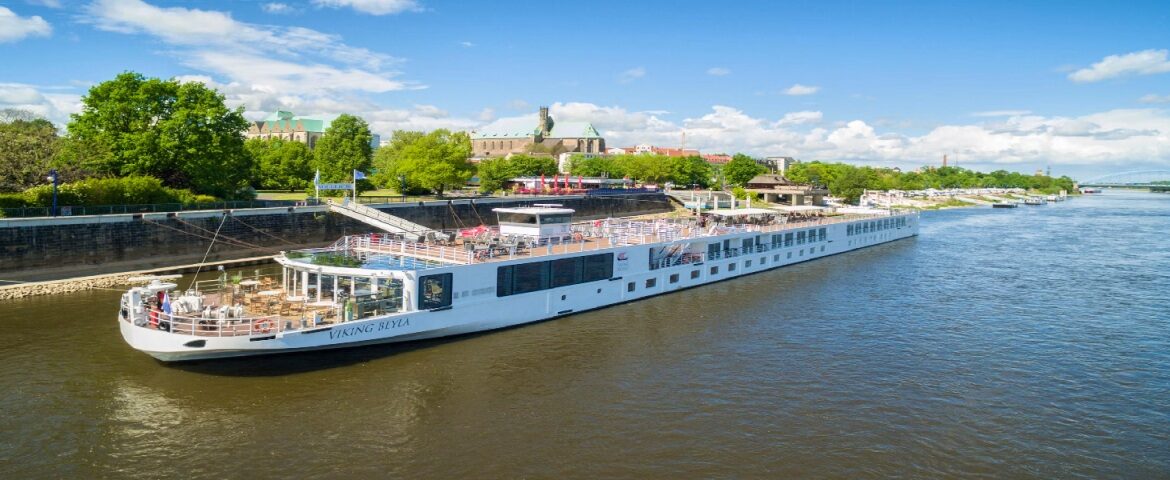
Viking Longships Beyla.

Viking Longships Beyla

131 Passengers
Visit the ship's page

Torgau, Germany | Historic Saxony Travel Guide

Two dates put Torgau in the history books, four centuries apart. In 1544, Martin Luther consecrated the chapel of Hartenfels Castle here, the first church ever built expressly for Protestant worship. On April 25, 1945, American and Soviet soldiers shook hands here on the Elbe, sealing the link-up of the two fronts that cut Nazi Germany in two. Between these two moments, a small Saxon town with Renaissance façades, which river boats sailing between Prague and Berlin approach at the foot of its castle.

Hartenfels, castle of the prince-electors

Rising above the river, Hartenfels is among the most accomplished Renaissance castles in Germany. Its masterpiece lies in the courtyard: the Großer Wendelstein, a spiral staircase that rises without any central pillar, a feat of stonecutting that already left 16th-century visitors open-mouthed. You climb up, come back down, look for the master builder's trick, and leave convinced he was something of a magician. From the tower, the view sweeps over the river and the red rooftops; in the moats, by tradition, the town still keeps real brown bears, heirs to a princely menagerie several centuries old. The castle's halls also host exhibitions on court life and the age of the Reformation.

The political cradle of the Reformation

Under the prince-electors of Saxony, Torgau became the nerve centre of nascent Protestantism: Wittenberg had the pulpit and the university, Torgau had the court and the power. The chapel consecrated by Luther alone illustrates this shift, plain and bright, designed for the word rather than for ritual; the reformer himself preached at the consecration in October 1544. A few streets away, the house where Katharina von Bora, Luther's wife, died in 1552 has become a moving small museum devoted to this exceptional woman who ran the farm, the brewery and the household while her husband changed Europe; her tombstone can be seen in the nearby St. Mary's Church.

A surprisingly intact old town

Spared from major destruction, the historic centre lines up some five hundred original late Gothic or Renaissance buildings, a rare density in Germany. On the market square, the town hall displays gables and a carved oriel; the surrounding streets hide inner courtyards, armorial portals and old breweries, as beer brewed here was once sold as far away as Hamburg. Everything can be explored on foot at a stroll, ten minutes from the landing, and the freshly restored pastel façades give the walk the air of a stage set with you as the only audience.

Elbe Day

On the riverbank, a memorial recalls the meeting of April 25, 1945, immortalized in photographs that went around the world: soldiers of both armies climbing over the beams of a destroyed bridge to shake hands. Every year, Torgau commemorates this "Elbe Day", which for a moment made it the centre of the world. The site invites a pensive pause, between the lapping of the water and the meadows on the opposite bank, where cows graze in perfect calm that seems to answer, eighty years on, the din of that time.

Picking up the river's thread

Before walking back up the gangway, treat yourself to a coffee on the market square or a local beer under the arcades, watching the life of this town that has seen so much history pass without ever raising its voice. The boat then glides along the river's sandy banks, between meadows and sandbars, and Hartenfels fades behind a bend. It then seems obvious: Europe's great turning points have sometimes played out in very small towns.

Frequently Asked Questions

For two dates four centuries apart. In 1544, Martin Luther consecrated the chapel of Hartenfels castle here, the first church ever built expressly for Protestant worship. On 25 April 1945, American and Soviet soldiers shook hands here on the Elbe.
About a ten-minute walk, and everything after that is covered on foot at a stroll. Boats come alongside at the foot of Hartenfels castle, which stands above the river.
A spiral staircase that rises with no central pillar at all, in the castle courtyard: a feat of stonecutting that already left 16th-century visitors open-mouthed. You go up, you come down, you look for the master builder's trick.
Yes, in the moat, and it is a firmly kept tradition: the town still maintains real brown bears there, heirs to a princely menagerie several centuries old. From the tower, meanwhile, the view runs out over the river and the red roofs.
Torgau had the court and the power, while Wittenberg had the pulpit and the university. Under the Electors of Saxony the town became the nerve centre of emerging Protestantism, and Luther preached here himself at the chapel's consecration in October 1544.
Luther's wife, who died here in 1552. The house where she died is now a touching little museum devoted to this remarkable woman, who ran farm, brewery and household while her husband was changing Europe. Her gravestone is in neighbouring St. Mary's church.
Remarkably so, because it was spared the great destructions. The centre holds around five hundred original late gothic or Renaissance buildings, a density rare in Germany, with freshly restored pastel façades.
The town hall, with its gables and carved oriel window. The surrounding streets hide inner courtyards, armorial doorways and old breweries, because beer brewed here was once sold as far away as Hamburg.
The annual commemoration of the meeting of 25 April 1945, immortalized in photographs that travelled the world: soldiers of both armies stepping across the girders of a destroyed bridge to shake hands. A memorial marks the spot on the bank.
No, and that is what makes it pleasant. You wander without queues, often alone in front of façades that give the place the air of a stage set. Currency: the euro, with cash useful in the small cafés in the centre.