Wolgast Germany Mecklenburg-Vorpommern

56 Cruises availables At departure or passage at this port

CroisiEurope (56 Cruises)

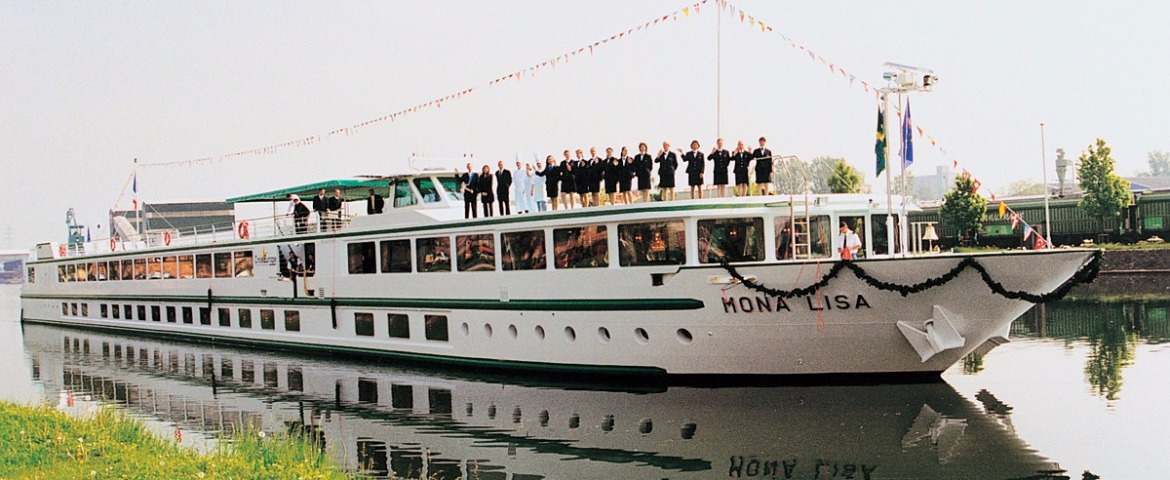
Cruise CE Croisieurope MS Mona Lisa ship

MS Mona Lisa

92 Passengers
Visit the ship's page
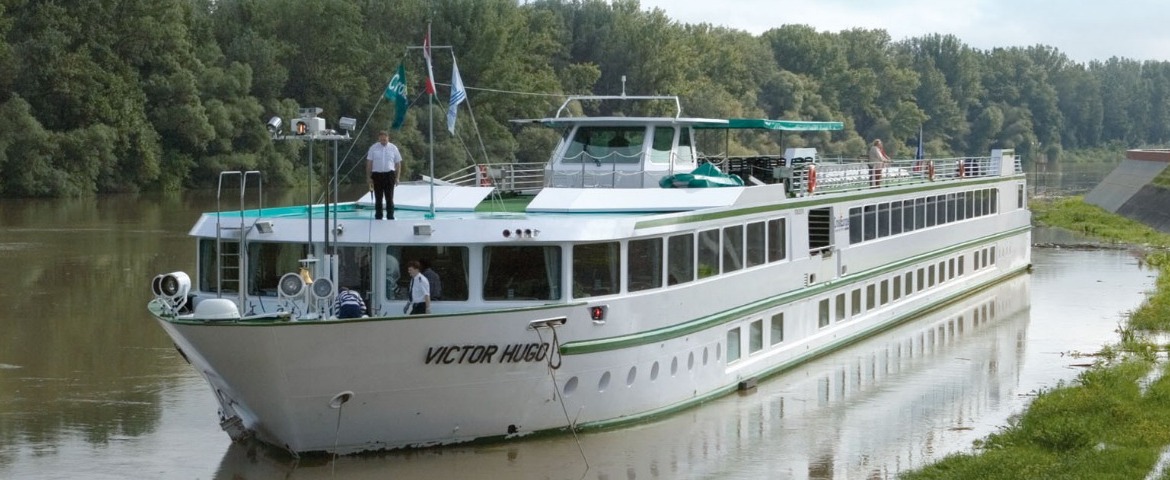
Cruise CE Croisieurope MS Victor Hugo ship

MS Victor Hugo

86 Passengers
Visit the ship's page

Port of Wolgast, Germany | Cruise Port Guide

At set times, traffic stops in Wolgast: the old bascule bridge, nicknamed the "Blue Wonder", raises its steel deck to let sailboats and coasters pass on the Peenestrom. The scene always amuses passengers on the boats that stop at the municipal harbour, a few minutes from the centre. Facing the town lies the island of Usedom and its seaside resorts; behind it, rural Pomerania. Wolgast has lived this way, as guardian of the crossing, since the days of the dukes.

A landing by the channel

The municipal harbour borders the old town directly: you walk down the gangway, cross the promenade, and the first gabled façades appear. On the neighbouring river island, the Schlossinsel, once stood the castle of the Dukes of Pomerania, a lavish residence dismantled after the wars of the 17th century; what remains is a peaceful quarter of workshops and boathouses, pleasant for a first loop on foot along the water.

The Dance of Death at St. Peter's

On the heights, St. Peter's Church dominates the rooftops with its Gothic mass. The interior holds the most striking curiosity of the call: a painted Dance of Death, a cycle inspired by Holbein's famous engravings, in which skeletons and the living of every station join hands — a reminder, century after century, that no one escapes the round. The crypt also shelters the lead sarcophagi of the last Dukes of Pomerania, whose line died out during the Thirty Years' War.

A coffee grinder and a Romantic painter

The local history museum occupies a building so unusual that residents have nicknamed it the "coffee grinder": a small Baroque house topped with a bell-shaped roof, set like a toy at the edge of the square. Inside, you discover the port's past and the region's dark and bright hours. A few streets away, the birthplace of Philipp Otto Runge, one of the great painters of German Romanticism, displays reproductions and documents about this native son who left too soon. The town hall with its light-coloured façades and the market square round out the stroll, dotted with unpretentious cafés.

Toward Usedom and Peenemünde

Wolgast also serves as a gateway for excursions:

DestinationAccess from the dockMain interest
PeenemündeAbout 20 minutes by roadHistorical and technical museum on the Second World War rocket test site
Usedom's imperial resortsAbout 40 minutes by road19th-century seaside villas, long sandy beaches

The contrast is striking between the white villas of Ahlbeck or Heringsdorf, where the Prussian aristocracy took the waters, and the concrete halls of Peenemünde, where the V2 rockets were designed — a memorial site that questions as much as it documents the birth of the space age.

Along the Peenestrom

The waterway bordering the town is an open-air nature reserve: reed beds, wet meadows and mudflats attract herons, ospreys and, with a little luck, the white-tailed eagle that nests in the region. The shoreline trails lend themselves to an after-meal walk between visits, and the benches facing the channel offer an ideal spot to watch sailboats and barges manoeuvre.

When the bridge rises

In the late afternoon, it's back to the waterfront promenade. The fishermen pack up their lines, the smell of smoked fish drifts near the huts, and the bridge's blue deck rises one last time to free the channel. Wolgast has neither the glory of the great Hanseatic cities nor the lustre of the neighbouring resorts; it has something better to offer curious travellers: the daily life of a crossing between river and sea, observed from the front row.

Frequently Asked Questions

At the municipal harbour, which borders the old town directly: you walk down the gangway, cross the promenade, and the first gabled façades appear. No shuttle is needed.
The old bascule bridge, so nicknamed by locals, which raises its steel deck at set hours to let sailing boats and coasters through on the Peenestrom. Traffic stops, everyone watches: it is the town's daily piece of theatre.
A painted danse macabre, a cycle inspired by Holbein's famous engravings, in which skeletons and the living of every station join hands. The crypt also holds the lead sarcophagi of the last dukes of Pomerania, whose line died out during the Thirty Years' War.
The river island where the castle of the dukes of Pomerania once stood, a lavish residence dismantled after the wars of the 17th century. Nothing of it remains, but the quiet quarter of workshops and boat sheds that occupies it makes a good first loop on foot along the water.
Because the building is a small baroque house topped with a bell-shaped roof, set down beside the square like a toy: the locals named it that. The museum of local history inside recounts the harbour's past and the region's darker and brighter hours.
Philipp Otto Runge, one of the great painters of German Romanticism, who died young. His birthplace, a few streets from the harbour, displays reproductions and documents about this son of the town.
About twenty minutes by road. The historical and technical museum occupies the Second World War rocket testing site: a place of remembrance that questions as much as it documents the birth of the space age.
Yes, the imperial resorts are about forty minutes away by road: 19th-century seaside villas and long sandy beaches, at Ahlbeck and Heringsdorf alike. The contrast with the concrete halls of Peenemünde, close by, is striking.
Yes, the Peenestrom bordering the town is an open-air nature reserve: reedbeds, wet meadows and mudflats attract herons and ospreys, and with a little luck the white-tailed eagle that nests in the area.
Return to the waterside promenade: the anglers pack up their lines, the smell of smoked fish drifts near the huts, and the benches facing the channel are a perfect spot to watch sailing boats and barges manoeuvre. Currency: the euro, with cash for the harbour huts.