Zell-Mosel Germany Rhineland-Palatinate
1
Cruises availables
At departure or passage at this port
AmaWaterways (1 Cruises)


Port of Zell (Moselle) | Cruise Port Guide
Frequently Asked Questions
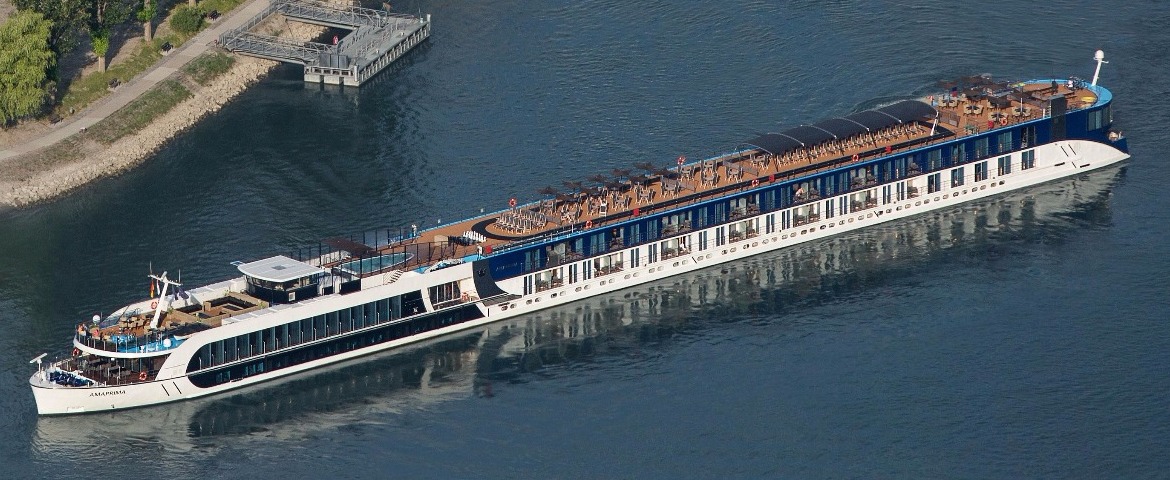
Along the riverside promenade, right in the village, facing houses squeezed between the Moselle and the vineyards. You walk off the gangway straight onto the main street.
Everything is walkable. The centre, the market fountain, the church of St Peter and St Paul and the wine cellars are all a few minutes from the mooring.
The Zeller Schwarze Katz, the village's signature wine. Legend says that in the nineteenth century a black cat perched on one barrel clawed anyone who came near; merchants took it as a sign she was guarding the best, and the wine has carried her name ever since.
Yes. Cellars and wine bars line the main street and the promenade. Alongside the famous Schwarze Katz, ask for a single-vineyard Riesling: the difference is real and worth the comparison.
The medieval centre and the cat fountain in the morning, a tasting at midday, then a climb into the vineyards or a coffee on the bridge for the view. No transport or booking required.
Yes. Marked paths climb between the vineyard plots; a few minutes of effort puts you above the slate roofs and the Zeller Hamm meander. The gradient is steep, so wear proper shoes.
Remains of the medieval wall, including a slate-capped round tower visible from a distance, the church of St Peter and St Paul, and the former residence palace of the Electors of Trier, built in the 1530s.
Only moderately. This is an adults' call, built around wine and strolling. Children will like the fountain cat, the riverside ice cream and the passing boats, but there is no park or museum designed for them.
The euro, and German. Cellars and restaurants take cards; keep cash for small growers. English is spoken in tourist-facing businesses, less so elsewhere.
May to October. Autumn is the high point: the harvest sets the whole village to the rhythm of the vineyards and the air smells of must right down to the quay. Spring offers green slopes and fewer people.


