Parga Greece

46 Cruises availables At departure or passage at this port

Emerald Waterways (40 Cruises)

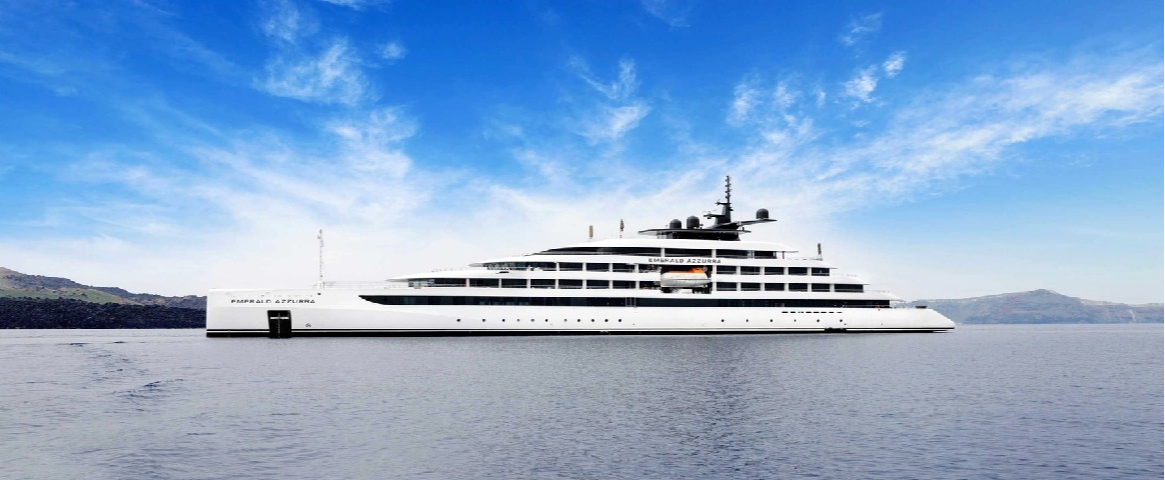
Emerald Azzurra.

Emerald Azzurra

164 Passengers
Visit the ship's page

Parga Greece | Ionian Coast Cruise & Travel Guide

An amphitheatre of ochre, saffron and coral houses tumbles down the hill to a bay closed off by an islet topped with a white chapel. Parga looks more like an Ionian island than a mainland town — it is often compared to its neighbours Corfu or Paxos. On the coast of Epirus, in northwestern Greece, this little-known port of call welcomes small ships, which anchor in the bay and tender their passengers directly to the waterfront. Everything is then done on foot, between steep lanes, a Venetian fortress and clear-water beaches.

The waterfront and Panagia islet

The first steps follow the harbour: tavernas beneath the mulberry trees, fishing boats and shops selling olive oil and honey. Facing the quay, Panagia islet floats in the middle of the bay with its chapel and cypresses; motorboats take you there in a few minutes, and strong swimmers sometimes swim over from the nearby beach. The scene makes up Parga's best-known image, the one that graces every tourist publication about the town.

The Venetian fortress

At the top of the promontory separating the town from Valtos beach, the fortress tells of Parga's successive lives: a Norman stronghold, four centuries under Venetian protection — the lion of St. Mark still adorns the entrance — then a period under Ali Pasha of Ioannina in the early 19th century. The climb winds up shady staircases between the houses; at the top, ramparts, rusty cannons and Aleppo pines frame a complete view of the rooftops, the shoreline and the mountains of Epirus. Access is free, and a café sets up inside the walls in summer. The climb takes about fifteen minutes and a few breaks, amply justified by the successive views of the bay.

Valtos and Krioneri, the town's beaches

On the other side of the promontory, the long Valtos beach stretches its ribbon of sand and fine pebbles for more than a kilometre, lined with tavernas and loungers. In town itself, Krioneri beach allows a dip steps from the cafés, facing the islet. The calm, translucent Ionian waters are perfect for swimming from May to October; pedal boats and kayaks can be rented on site to explore the coast. Between swims, an iced coffee frappé in the shade of a plane tree does the trick nicely.

Gentle excursions

Depending on the time available, several outings round out the day. Speedboats head to the springs of the Acheron, the river of the Underworld in mythology, whose icy waters wind between plane trees and rock walls — you can wade in them in summer. Others head for Paxos and Antipaxos and their famous coves. History buffs will venture to the site of the Necromanteion of Ephyra, an oracle of the dead from antiquity, about twenty kilometres away.

At the Epirote table

The waterfront tavernas serve generous cuisine: grilled fish, cream-filled bourek, baked feta and lamb with lemon. Local olive oil and olives from the region fill the seaside shops, as does mountain honey — souvenirs that slip easily into a carry-on bag. Around the town, the hills are covered with olive groves planted in Venetian times; some trees, with trunks gnarled like ropes, still bear fruit.

As the tender heads back to the ship, the town slowly climbs its hill in the evening light, the islet's chapel lights up and the fortress darkens on its promontory. Parga has the frank beauty of places that have nothing to prove; it greets travellers as it greeted the Venetians: with the quiet confidence of those who know you will be back.

Frequently Asked Questions

By tender. Parga takes small ships, which anchor in the bay and land passengers directly on the waterfront. Everything after that is done on foot.
On the coast of Epirus in the northwest of the country, facing the Ionian Sea. The town looks more like an Ionian island than a mainland settlement, and is often compared to Corfu or Paxos.
The climb to the Venetian fortress, about fifteen minutes up shaded steps, then Krioneri beach in town or Valtos on the far side of the headland. The islet of Panagia in the middle of the bay is a few minutes away by boat.
Yes, entry is free, and a café operates inside the walls in summer. The climb winds up steps between the houses; at the top, ramparts, rusted cannon and Aleppo pines frame a full view of the rooftops, the shore and the mountains of Epirus.
Krioneri right in town, steps from the cafés and facing the islet, and Valtos on the other side of the headland, a ribbon of sand and fine shingle over a kilometre long lined with taverns and loungers.
Yes, from May to October. The Ionian water is calm and translucent, and pedalos and kayaks are available locally to explore the coast.
The river of the underworld in Greek mythology, its icy water winding between plane trees and rock walls. Boats run there from Parga and you can wade in during summer. It is the most striking excursion of the call.
Local olive oil, regional olives and mountain honey: the waterfront shops are full of them and they slip easily into a carry-on. The hills around town carry olive groves planted in Venetian times.
Yes. You land right in the centre, Krioneri beach is steps away, the islet is a few minutes by boat and the fortress climb is short. Just bring proper shoes for the stairs.
The euro and Greek, with English widely understood in the waterfront taverns and shops. Cards work in most places in the centre.