Skjoldungen Island Greenland
Greenland

39 Cruises availables At departure or passage at this port

Scenic Cruises (28 Cruises)

Skjoldungen Island, Greenland | Cruise Port Guide

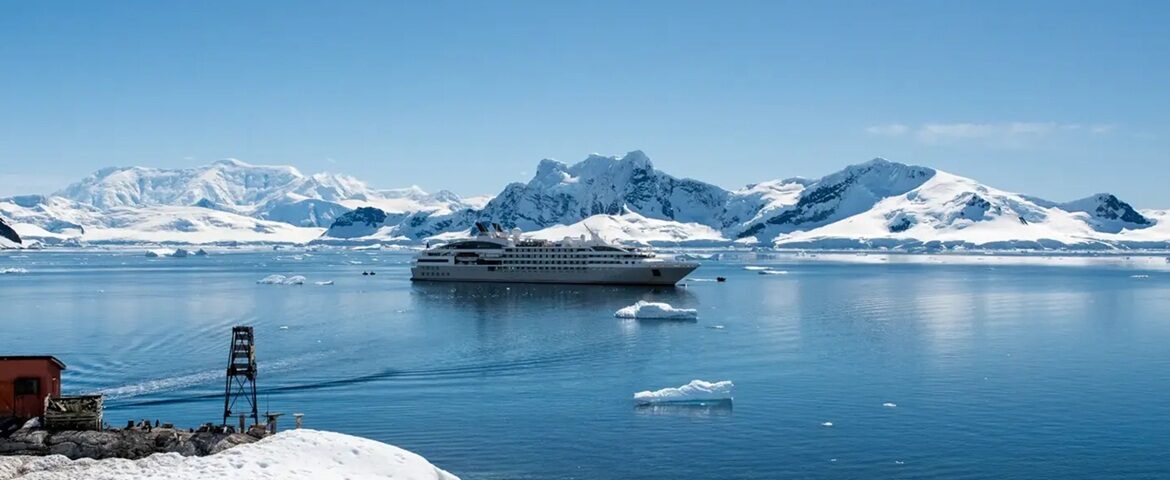
No wharf awaits the traveller here. No village, no road, no shop. Skjoldungen is an uninhabited island on the southeast coast of Greenland, some fifty kilometres long, separated from the mainland by a fjord of the same name. The expedition ships that venture here offer their passengers one of the most spectacular landscapes in the Arctic, in near-total solitude. It's a port call like no other, precisely because no one is there.

A horseshoe-shaped fjord

Skjoldungen Fjord, which Greenlanders call Saqqisikuik, wraps around the island, tracing a long corridor of dark water between dizzying walls. Snow-capped peaks rise straight out of the sea, slashed by waterfalls and tongues of ice. In fine weather, the reflections of the mountains on the still water create symmetries that photographers watch for from the deck. The ship advances slowly, and each bend in the channel recomposes the scenery.

At the end of the northern arm awaits the reward of the voyage: Thrym Glacier, a river of ice that descends from the inland ice sheet to the sea. Its fractured face sometimes drops blocks with a rumble that rolls on and on between the walls. The icebergs thus launched then drift down the channel, escorting the boats that approach with caution.

Zodiac outings and landings

Depending on sea and ice conditions, the expedition teams organize Zodiac outings at the foot of the glacier or landings on the shores. Guided walks let you tread the tundra, where dwarf birch, Arctic willow and tiny flowers grow, clinging between the rocks. Dronning Marie Valley, at the edge of Thrym Glacier, unfolds a glacial U-shaped landscape of astonishing regularity, sculpted by millennia of erosion.

  • Scenic cruising to the front of the Thrym
  • Zodiac outings among the icebergs, weather permitting
  • Walks on the tundra accompanied by the onboard guides
  • Observation of Arctic flora and, with luck, marine wildlife

Faded human traces

Yet the island hasn't always been deserted. Nomadic Inuit groups frequented these shores for millennia, and archaeologists still find discreet traces of ancient dwellings. In the 20th century, a small community briefly settled here before being relocated. All that remains of this presence today are a few remnants that the guides know how to spot, and which remind us how fragile a conquest human life was here, always negotiated with the ice and the winter.

This history gives the port call a particular depth. Walking these shores, you grasp what it meant to live by seal hunting in one of the most demanding environments on the planet, hundreds of kilometres from any neighbour.

Time suspended in the Far North

A day at Skjoldungen unfolds differently. No timed program, no monuments to tick off: the weather decides, the ice disposes. Passengers spend long hours on deck, binoculars in hand, watching for a whale's blow or the flight of a sea eagle. The silence is broken only by the cracking of the ice and the hum of the Zodiacs. Many confide that it's precisely this starkness that moves them most.

What remains after the visit

When the ship heads back out to the open sea, the fjord's walls slowly close behind it, as if the island were returning to its secret. All that remains are images: the bluish wall of Thrym Glacier, the peaks doubled by their reflections, the low tundra under the wind. Skjoldungen offers nothing to buy and nothing to bring home, except the certainty of having seen the world as it existed long before us. And that may be the most precious of travel souvenirs.

Frequently Asked Questions

Neither. Skjoldungen is an uninhabited island off Greenland's southeast coast: no pier, no village, no road, no shops. The whole call takes place from the ship and the Zodiacs.
A long horseshoe corridor of dark water that wraps around the island between sheer walls. Snow-covered peaks rise straight out of the sea, cut by waterfalls and ice tongues. On calm days the reflections create symmetries photographers watch for from the deck.
A river of ice descending from the interior ice cap to the sea, at the head of the fjord's northern arm. Its fractured face occasionally drops blocks with a rumble that rolls a long time between the walls.
It depends on sea and ice conditions. Expedition teams run Zodiac cruises at the glacier front or landings on the shore, with guided walks on the tundra. Nothing is guaranteed in advance.
Tundra where dwarf birch, Arctic willow and tiny flowers cling between the rocks. The Dronning Marie valley, alongside the Thrym Glacier, unfolds a U-shaped glacial landscape of striking regularity.
Yes. Nomadic Inuit groups used these shores for millennia, and archaeologists still find faint traces of former dwellings. In the 20th century a small community settled briefly before being relocated.
About fifty kilometres long, separated from the mainland by the fjord of the same name, which Greenlanders call Saqqisikuik.
No timed programme, no monuments to tick off: the weather decides and the ice disposes. Passengers spend long hours on deck, binoculars up, watching for a whale blow or a sea eagle.
No, there is nothing to buy. No shops, no services, no facilities at all. Everything is prepared on board.
For those who come for landscape and silence rather than sightseeing. It offers nothing to bring home but images: the blue wall of the Thrym, peaks doubled by their reflection, low tundra under the wind.