Eskifjordur Iceland
10
Cruises availables
At departure or passage at this port
Azamara Club Cruises (6 Cruises)
Azamara Quest
6 Cruises
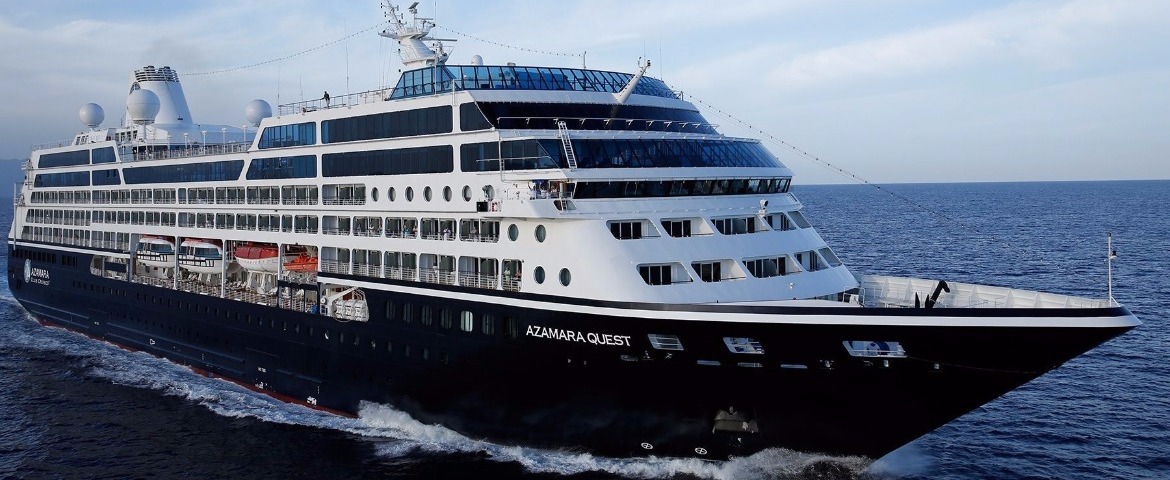

| 29 July | 44 days | One-way from Copenhagen to New York |
450-628-6241
Call us
|
| 29 July | 43 days | One-way from Copenhagen to New York |
450-628-6241
Call us
|
Regent Seven Seas Cruises (4 Cruises)
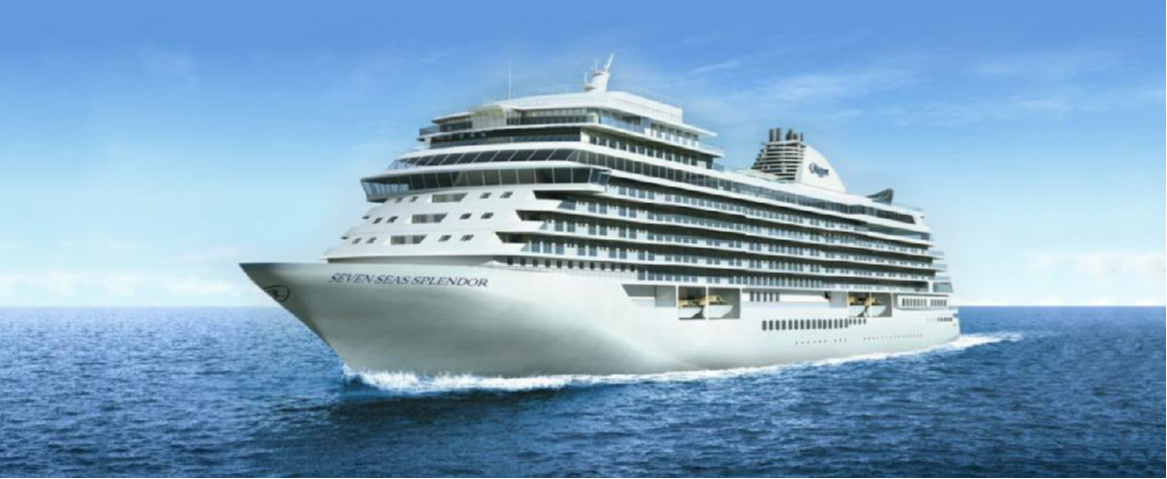
Seven Seas Splendor
4 Cruises

Port of Eskifjörður, Iceland | Cruise Port Guide
Frequently Asked Questions
At the village itself, whose colourful houses stretch along a single road at the foot of Holmatindur. The place can be walked in about thirty minutes and everything sits on the main street: no transfer is needed to start exploring.
Holmatindur, 985 metres, dropping almost vertically into the dark water of the fjord. It is the first thing passengers see as the ship enters Eskifjördur and the last on departure: the houses shrink, the village fades, the mountain stays.
An 1890 fishing shed left almost untouched, complete with tackle, boats and the inscriptions left by crews. Today you can taste fermented shark and dried fish there, prepared the old way. The place is part museum, part tavern.
The village first: Randulff's House, the maritime museum and the Sörensen mineral collection, all on foot. Then choose between a trail at the foot of Holmatindur and the geothermal pool. If you take the excursion to Egilsstaðir and the Vök Baths, you will see almost nothing of Eskifjörður itself.
Yes, in the village's outdoor pool heated by geothermal water. The pools face the mountains and locals come to trade the day's news, as in every Icelandic swimming pool. Bring a swimsuit; towels can be rented on site.
Yes, several start in or just outside the village. The shorter ones follow the shore to quiet waterfalls; the harder ones climb the shoulders of Holmatindur, where the view takes in the whole fjord. Aim for a mid-level viewpoint: the summit is out of reach within a port call.
Yes, with some luck. This part of Iceland is the only place where the species lives wild, and reindeer sometimes come down from the heights near the trails. You are more certain to meet free-roaming sheep and tufts of cotton grass.
Geothermal baths built on the shore of Lake Urriðavatn near Egilsstaðir, about 45 minutes' drive away. Their pools have edges that merge with the open lake, and visitors alternate warm soaking, sauna and a cold plunge, depending on nerve.
Because it grew in the eighteenth century as a Danish trading post, then prospered on the herring that filled the eastern waters. Around a thousand people live there today. What the town shows is not spectacular: traces of hard lives, presented with care by a community proud of its past.
The Icelandic króna, Icelandic, and a windproof layer even in summer — weather changes fast in the fjords. Shops are few, but cards are accepted everywhere, which makes cash unnecessary. English is widely spoken.


