Makassar Ujung Pandang, Sulawesi Indonesia
4
Cruises availables
At departure or passage at this port
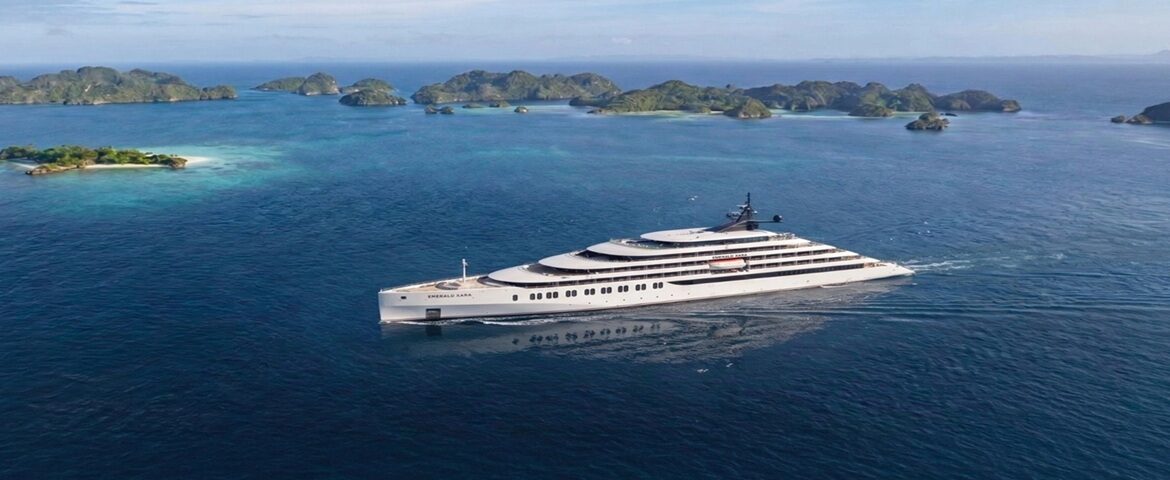
Emerald Waterways (2 Cruises)

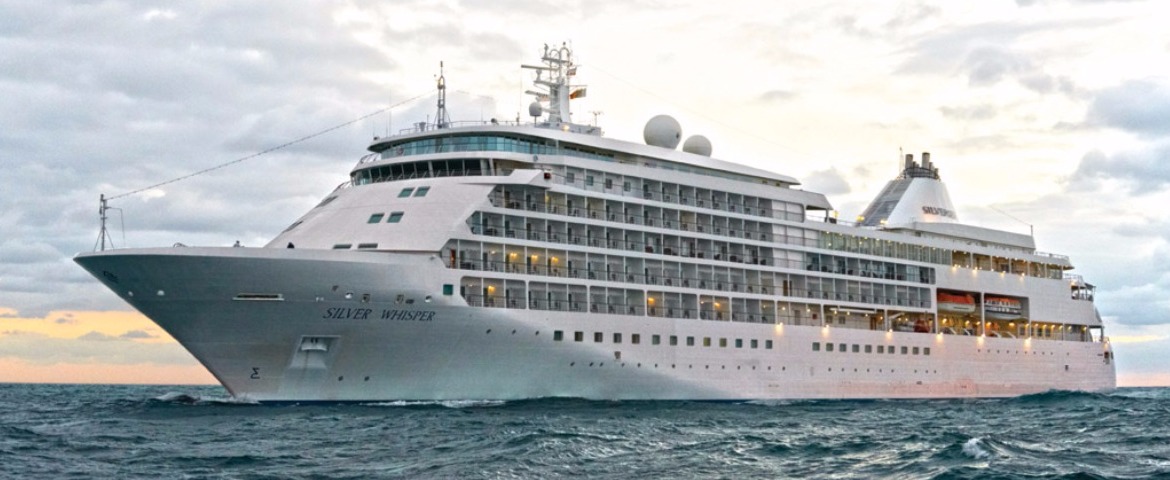
Silversea Cruises (2 Cruises)

Port of Makassar, Indonesia | Cruise Port Guide
Frequently Asked Questions
At Soekarno-Hatta port, the main maritime gateway to Sulawesi, with a passenger terminal and basic shops. The city centre is a short taxi ride away. It is one of the busiest passenger ports in the country.
It is not advisable. Traffic along the port roads is heavy and the heat sets in early. A taxi or an organised excursion, with the fare agreed in advance, remains the simplest way to get around.
Fort Rotterdam and its museum in the morning, minutes from the terminal, then lunch of coto makassar and the Losari esplanade in late afternoon. That is a realistic programme, provided you group your stops by district: traffic is the day's main obstacle.
A seventeenth-century bastion inherited from the Sultanate of Gowa and later reworked by the Dutch, one of the best-preserved colonial complexes in Indonesia. Behind the low star-shaped ramparts, white tile-roofed buildings and lawns form an unexpected pocket of calm amid the city's din.
The cultures of South Sulawesi, inside Fort Rotterdam: Bugis and Makassarese kingdoms, traditional seafaring, textiles and old manuscripts. An hour covers the essentials, longer for enthusiasts.
The seafront promenade southwest of the centre, where the whole city converges in late afternoon for sunset over the strait. Families, hawkers and strollers gather there every evening. Foreign visitors get photographed as much as they take photographs.
Pisang epe on the Losari esplanade: banana pressed and grilled, coated in melted palm sugar, sometimes with chocolate or durian, made in front of you on rows of braziers. On the savoury side, coto makassar, a spiced beef soup served with rice cakes.
A wooden schooner with a fine, sharp hull, still built using techniques handed down through generations. Bugis and Makassarese sailors crossed the archipelago as far as the Australian coast long before Europeans arrived, and their pinisi are still sailing.
The humid heat calls for water, a hat and regular breaks. Clothing covering shoulders and knees is appreciated in places of worship. Above all, leave a comfortable margin for the return to the terminal: late-afternoon congestion can catch you out.
The Indonesian rupiah. Hotels and larger restaurants take cards, but markets, taxis and street vendors want cash in small notes. Indonesian is the official language; Makassarese and Bugis remain widely spoken, English much less so.


