Pulau Ambon Island Indonesia Wallacea, Moluccas
8
Cruises availables
At departure or passage at this port
Seabourn Cruise Line (8 Cruises)
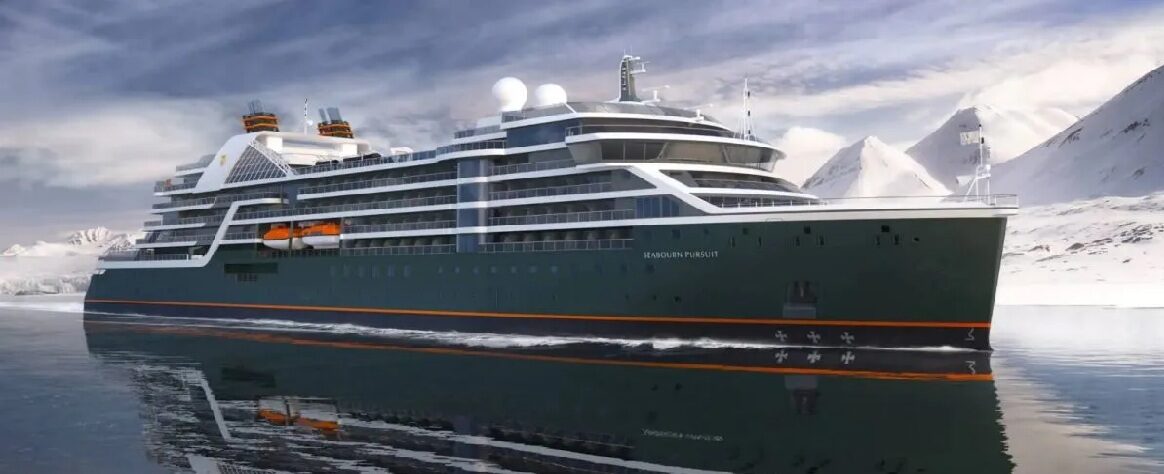
Seabourn Pursuit
8 Cruises

Ambon, Indonesia | Cruise Port Guide
Frequently Asked Questions
At the terminal in the city centre, next to the waterfront and the shopping streets. Step through the gate and you are straight into Indonesian life. The approach up the long, deep bay between volcanic slopes is worth getting up early for on its own.
Yes, and that is one of the great advantages of this call. The market, Fort Victoria and the waterfront are all walkable from the terminal. Only the heights — Siwalima museum, Tiahahu monument — and the Commonwealth cemetery need a taxi.
Because the cloves and nutmeg growing here were worth their weight in gold in Europe for centuries. Maritime powers fought over these shores with a ferocity hard to imagine today. Smelling those spices in Ambon's market gives that history a very concrete scent.
Only partly. This early seventeenth-century Dutch bastion facing the bay is still in military use in part. The exterior and the main gate can be admired, and the cannon are a reminder of what a sack of cloves once cost.
Glistening fish, chillies, sago and fruit whose names you will have to ask. Pasar Ambon is loud and cheerful, with women calling out to passers-by with a smile. All around, the streets are lined with fabric stalls and small restaurants.
A sago porridge wound around a fork like noodles, the signature dish of Maluku. It is usually served with fish in a yellow sauce. Small restaurants in central Ambon offer it alongside grilled fish with sambal.
The Siwalima museum, which gathers textiles, carved prows and ritual objects from Maluku in a shaded setting above the bay, and the monument to Martha Christina Tiahahu, a young fighter who became a national heroine, offering one of the best views over the harbour. Allow an hour or two by taxi.
A war cemetery on the edge of town, where white headstones stand in rows beneath frangipani trees in memory of Allied soldiers who died in the archipelago during the Second World War. The inscriptions are largely Australian. Immaculately kept, the place invites silence.
The centre and its market on foot, then Fort Victoria, already fill half a day. Those who prefer views head up to the Siwalima museum and the Tiahahu monument. Distances are short, but the heat calls for regular breaks.
The Indonesian rupiah, mostly in cash: outside hotels, cards are poorly accepted in Maluku. Indonesian is the official language, Ambonese Malay is the language of daily life, and English is largely limited to guides.


