Porto Levante Porto Viro, Italy Riviera

49 Cruises availables At departure or passage at this port

CroisiEurope (49 Cruises)

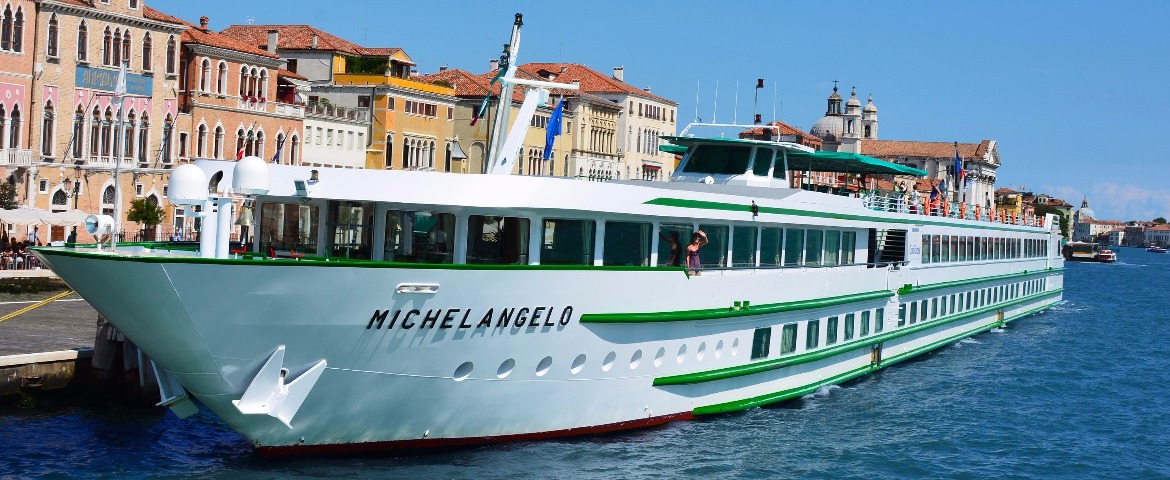
Cruise CE Croisieurope MS Michelangelo ship

MS Michelangelo

150 Passengers
Visit the ship's page

Porto Levante Italy | Po Delta Nature & River Cruise Guide

Here, Italy's great river ends its journey. After 650 kilometres from the Alps, the Po divides into lazy branches that slip between reed beds and sandbanks before merging into the Adriatic. Porto Levante, a fishing hamlet set at the mouth of one of these branches, serves as a port of call for river ships heading down to Venice or up to Ferrara and Mantua. You do not come ashore here for monuments: you come for the silence, the water and the birds of the country's largest delta.

A hamlet between river and lagoon

The village comes down to a few low streets huddled around its bell tower, between fishing basins and huts on stilts. Residents live from the sea and the lagoon: clams, eels and mullet. Along the quays, you can see the tools of this ancient trade: hanging nets, fish tanks and flat-bottomed boats designed for the shallows. The place actually owes its existence to a Venetian show of force: in 1604, the Serenissima had the Taglio di Porto Viro dug, diverting the river southward to prevent its lagoon from silting up, and this titanic project shaped today's landscape. The air smells of mud and salt; herons fish a few metres from the houses. In half an hour's walk, you have toured the village and already grasped the essentials: here, people work with the water rather than dominate it.

The Po Delta, a biosphere reserve

All around stretches the Po Delta Regional Park, recognized by UNESCO as a biosphere reserve. Boat excursions set off to explore this labyrinth: reed-lined channels, brackish lagoons and islets that change shape with every flood. Binoculars quickly become indispensable. Flamingos, avocets, terns and harriers frequent these fish-rich waters; in spring and autumn, migratory birds land here by the thousands. The dikes can also be explored by bike, and the casoni, old fishermen's huts with reed roofs, dot the banks like so many lookouts. The landscape, flat to the point of vertigo, plays on shades of green, grey and silver that the light recomposes from hour to hour. Twentieth-century painters and neorealist filmmakers loved this strangeness; it remains intact.

Scanno Cavallari, the beach at the end of the world

In the fine season, a short boat crossing leads to Scanno Cavallari, a strip of fine sand set between the river and the sea. No umbrellas or snack bars: just sand, shells, low coastal vegetation and the Adriatic spreading out, warm and shallow. You swim, walk barefoot and soak up the silence. This kind of wild beach has almost disappeared from the Adriatic; the park preserves a few of them, and this one is within reach of your port call.

The delta table

The meal is part of the visit. The trattorias in the area cook eel risotto, lagoon clams and Scardovari mussels farmed a few kilometres away, accompanied by a light white wine from the sands. These products travel little: tasting them here, facing the fish tanks they come from, gives Venetian cuisine an obviousness no city restaurant can reproduce.

Picking up the thread of the water

When the ship casts off and enters the channel, the reed beds slowly file past on either side, dotted with fishing huts on stilts. Porto Levante leaves neither spectacular photos nor anecdotes about great monuments: it leaves a breath of fresh air. On a river itinerary that leads to the splendours of Venice, this interlude of water, birds and light mist plays its part softly, and it is often what comes back to mind long afterward when you think back on the trip.

Frequently Asked Questions

At the fishing hamlet of Porto Levante, at the mouth of a branch of the Po in the municipality of Porto Viro. It is a river cruise call for vessels heading down to Venice or up toward Ferrara and Mantua.
No, and it is worth knowing before you step ashore. The village amounts to a few low streets around its bell tower, between fishing docks and stilt huts. You come here for the silence, the water and the birds of Italy's largest delta, not to tick off sights.
A boat excursion into the Po delta, binoculars in hand. Reed-lined channels, brackish lagoons and islets that change shape with every flood make a labyrinth you will not find anywhere else in Italy. Half an hour on foot then covers the whole village.
Flamingos, avocets, terns and harriers work these fish-rich waters. In spring and autumn migrants settle here by the thousand. The Po Delta regional park is recognized as a UNESCO biosphere reserve.
Because of a Venetian intervention. In 1604 the Republic cut the taglio di Porto Viro, diverting the river southward to stop its lagoon silting up. That immense undertaking shaped the delta landscape you see today.
Yes, in the warmer months. A short boat crossing reaches the Scanno Cavallari, a strip of fine sand set between river and sea. No parasols, no snack bar: sand, shells and a warm, shallow Adriatic. Bring water and shade, because there is none there.
The old reed-roofed fishermen's huts that punctuate the banks like lookouts. They recall a craft still alive here: hanging nets, holding tanks and flat-bottomed boats built for shallow water.
Whatever the lagoon produces: eel risotto, lagoon clams, Scardovari mussels farmed a few kilometres away, with a light sandy-soil white. These products travel poorly, and tasting them opposite the tanks they came from changes everything.
The euro and Italian, with a Veneto dialect among locals. Bring cash: in a hamlet this size cards are not accepted everywhere and there is no ATM on every corner. English is not widely spoken outside organized tours.
Spring and autumn for the birds, summer for the Scanno Cavallari beach. The delta light recomposes hour by hour in greens, greys and silvers, and misty October mornings show it at its finest. Mosquitoes can be present on summer evenings.