Rome City Italy
67
Cruises availables
At departure or passage at this port
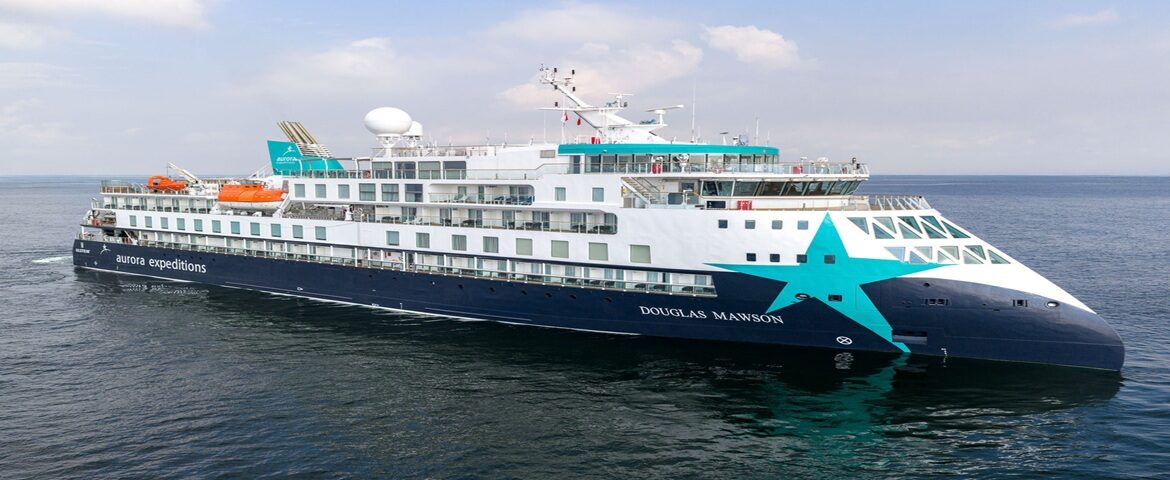
Aurora Expeditions (2 Cruises)

Emerald Waterways (44 Cruises)
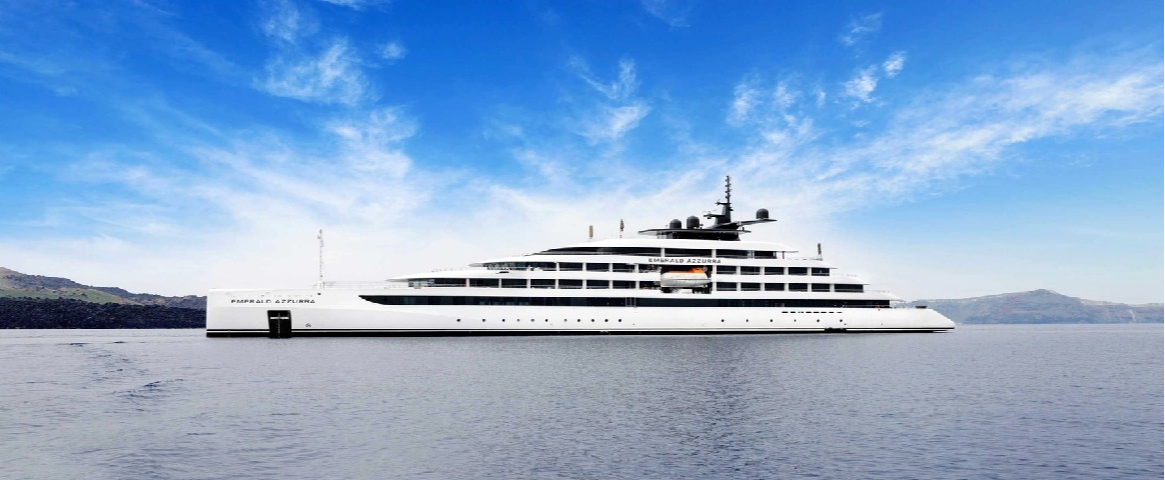

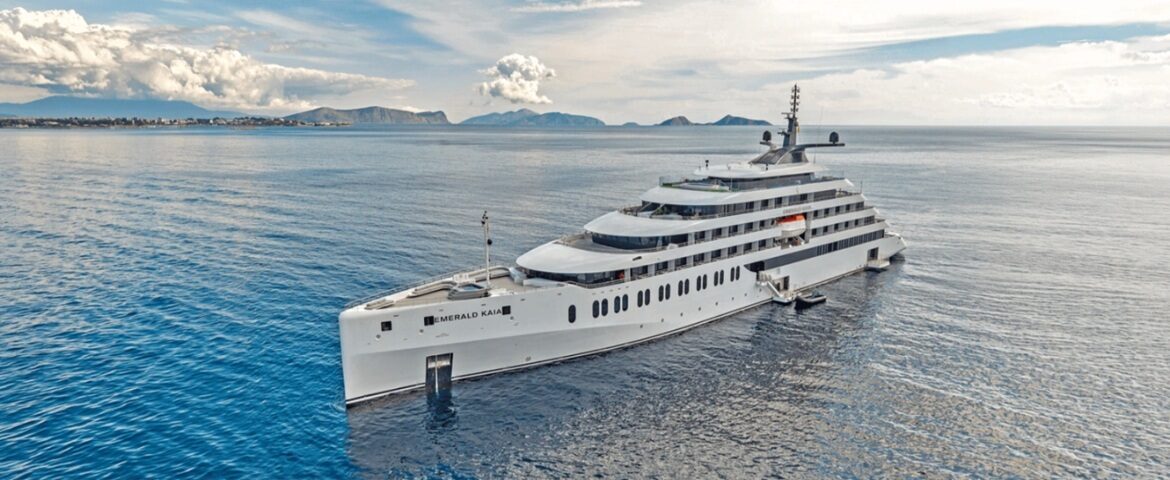
Emerald Kaia
13 Cruises
| 20 April | 10 nights | One-way from Santa Cruz de Tenerife to Rome City |
450-628-6241
Call us
|
| 30 April | 7 nights | Round-trip from Rome City, Italy |
450-628-6241
Call us
|
| 17 May | 10 nights | One-way from Palma de Mallorca to Rome City |
450-628-6241
Call us
|
| 27 May | 7 nights | One-way from Rome City to Villefranche-sur-Mer |
450-628-6241
Call us
|
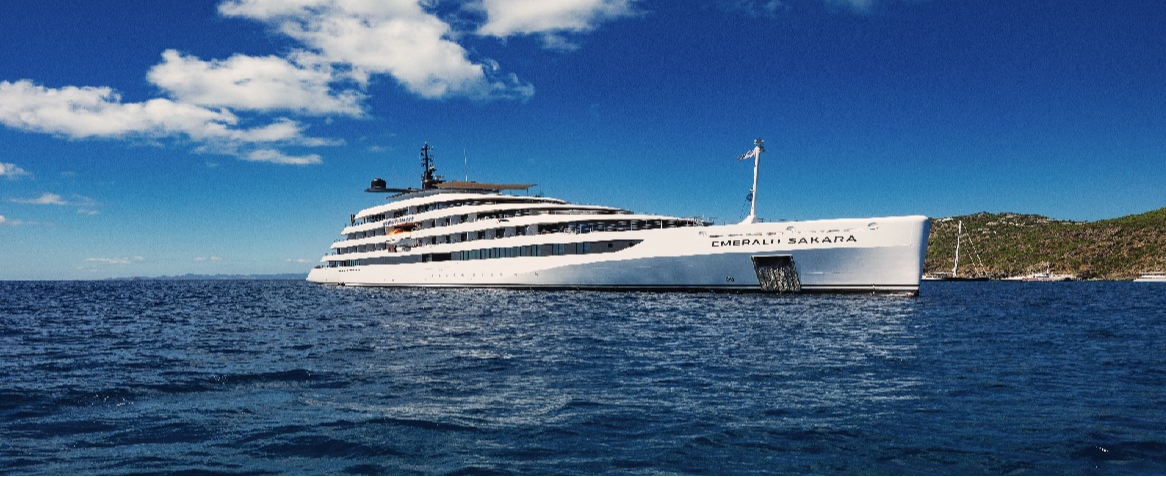
Emerald Sakara
26 Cruises


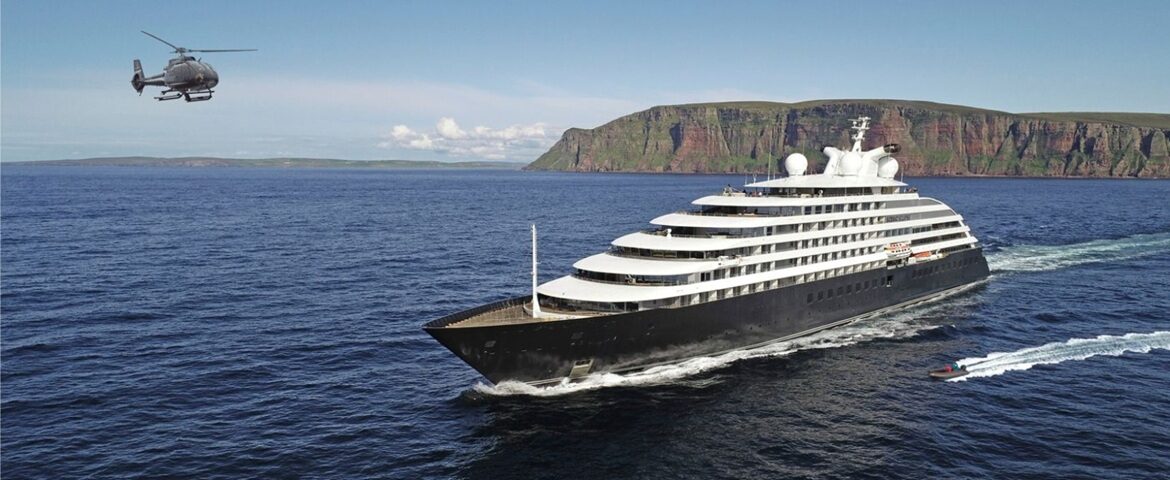
Uniworld Boutique River Cruise (15 Cruises)
S.S. La Venezia
15 Cruises


| 6 June | 18 nights | Round-trip from Venice, Italy |
450-628-6241
Call us
|
| 27 June | 18 nights | Round-trip from Venice, Italy |
450-628-6241
Call us
|
| 8 August | 18 nights | Round-trip from Venice, Italy |
450-628-6241
Call us
|
| 29 August | 18 nights | Round-trip from Venice, Italy |
450-628-6241
Call us
|

Rome Italy | Ancient History & Mediterranean Cruise Guide
Frequently Asked Questions
No. Rome has no cruise port: ships berth at Civitavecchia, about 70 km northwest of the capital. The Eternal City is not at the foot of the gangway, and that is the first figure to keep in mind when planning the day.
Port shuttles run from the gangway to the port gate; the railway station is then about 1.5 km away, on foot or by taxi. Regional trains reach Rome's stations in 45 to 80 minutes depending on the service. Tickets are bought at the station or online and must be validated before boarding.
It depends on your tolerance for risk. An organized excursion costs more but removes the timing worry: the ship waits for its own tours, not for independent passengers. By train the day costs considerably less, provided you leave a serious margin for the return.
Pick one thread and follow it. Trying to see everything leads straight to frustration. Three options: antiquity (Colosseum, Roman Forum, Pantheon); the Vatican (museums, Sistine Chapel, St Peter's Basilica and Bernini's square); or free walking between the squares and fountains, with no ticket at all.
Yes, well in advance, never on the day. Every major site requires a timed reservation. Without a booked ticket, queues can swallow half your available time — and there is no second chance within the day.
It is possible for determined walkers, but tight. The two areas are far apart, each requires its own timed booking, and a single train delay upsets everything. For a first call, choosing just one leaves a far better memory.
Skip the interiors and walk: from the Trevi Fountain to Piazza Navona, from the Pantheon to Campo de' Fiori, from the Spanish Steps to the lanes of Trastevere. Allow five to six kilometres, with as many pauses as you need. The nasoni, public fountains of cool water, have punctuated the route for centuries.
Three. Note the all-aboard time and allow generously: better an hour spare in Civitavecchia than a ship on the horizon. Book the Colosseum and Vatican Museums before you leave home. And wear good shoes, because Roman cobbles forgive nothing.
An espresso standing at the counter, a slice of pizza al taglio, a gelato along the way. That Rome needs no ticket, costs almost nothing and leaves memories as lasting as the museums.
The euro and Italian. Cards are accepted everywhere, including for train and museum tickets. English is widely spoken in the centre. Keep coins for coffee at the counter, which is often quicker in cash.


