Himeji Japan Hyogo
29
Cruises availables
At departure or passage at this port
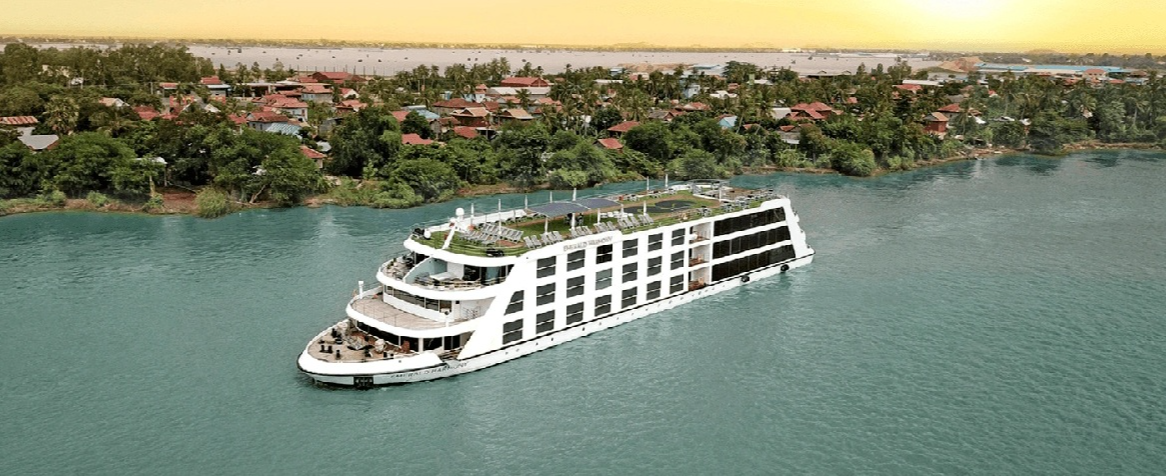
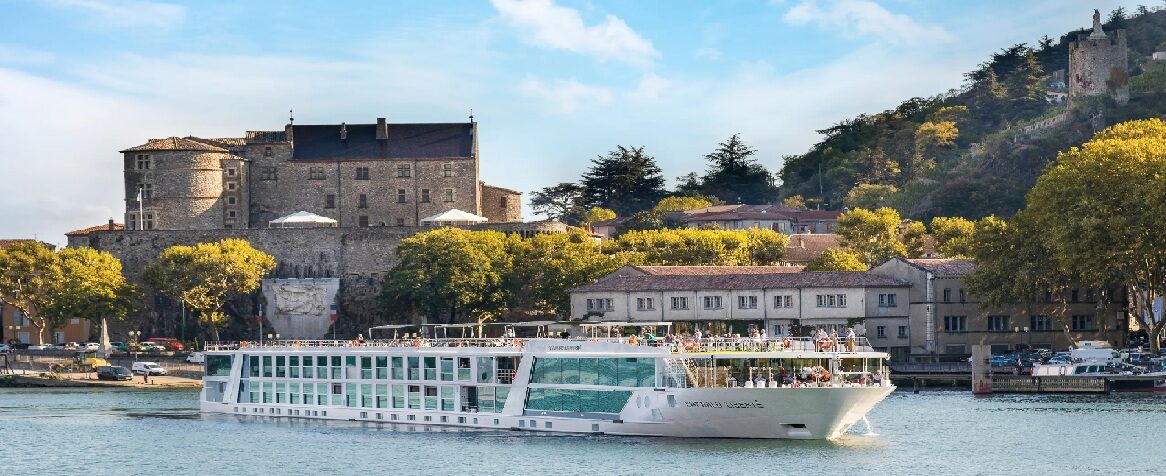
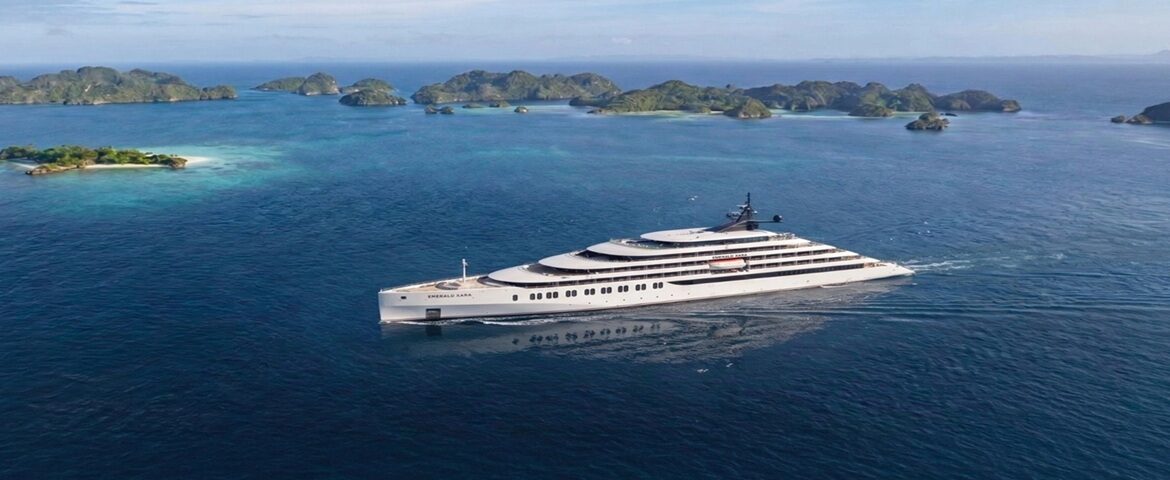
Emerald Waterways (11 Cruises)

Lindblad Expeditions (8 Cruises)
National Geographic Resolution
8 Cruises
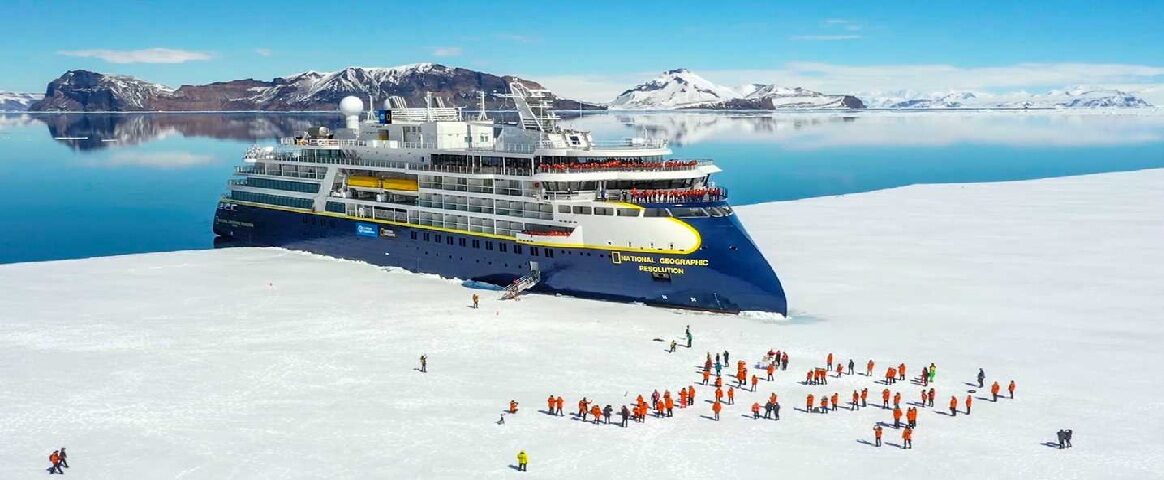

| 23 May | 16 days | Round-trip from Kobe-Osaka, Japan |
450-628-6241
Call us
|
| 24 May | 14 days | Round-trip 15 Night Coastal Japan Imperial Dynasties and Modern Culture Cruise and Land Tour |
450-628-6241
Call us
|
Ponant (2 Cruises)

Scenic Cruises (8 Cruises)
Scenic Spirit
8 Cruises


| 21 March | 26 days | One-way from Hakata-Fukuoka City to Siem Reap |
450-628-6241
Call us
|
| 21 March | 27 days | One-way from Hakata-Fukuoka City to Siem Reap |
450-628-6241
Call us
|
Frequently Asked Questions
In an industrial area south of the city, on the Seto Inland Sea. Shuttles and buses link the pier to the central station in about twenty minutes. There is nothing to see at the quay itself: the day begins at the station.
On foot, about a kilometre. A broad avenue lined with cherry trees and shops runs straight toward the keep, which stays in view the whole way. You cannot take a wrong turn: it presides over every intersection.
Because it is Japan's finest feudal fortress, designated a national treasure and among the very first Japanese sites inscribed on the UNESCO World Heritage list, in 1993. Completed in 1609, it escaped wars, earthquakes, fires and the 1945 bombings.
For its white lime walls, revived by a recent restoration, which shine in the sun until the keep looks ready to lift off above the rooftops. The nickname makes sense at a glance, long before you reach the grounds.
Yes, more than expected. It means six levels of increasingly steep stairs, past weapon racks, arrow slits and massive beams. Visitors who struggle with steps can settle for the ramparts and the garden, which are worth the trip on their own.
A set of nine landscaped enclosures in Edo style at the foot of the ramparts: a carp pond crossed by a wooden bridge, precisely clipped maples, a bamboo grove, and a pavilion serving matcha. Laid out in 1992 on former samurai residences, it comes with an inexpensive combined ticket.
In April, at peak hours. The cherry blossom turns the moats into pink ribbons and doubles the crowds. Coming early changes everything: the first opening hours are markedly quieter, and the light on the white lime is better.
Take the ropeway up Mount Shosha, twenty minutes from the plain. The Engyo-ji monastery, tucked among cedars, was a filming location for The Last Samurai. The quiet there contrasts completely with the crowds at the keep.
Grilled conger eel, simmered oden and local skewers, around the station and in the covered shopping arcades. Izakayas open early for visitors on a ship's schedule, and pastry shops offer yuzu sweets to take back on board.
The Japanese yen and Japanese. The castle receives many foreign visitors and posts translations, but the shops around the station operate in Japanese. Bring cash for small counters and combined tickets.


