Wasserbillig Luxembourg
Luxembourg
100
Cruises availables
At departure or passage at this port
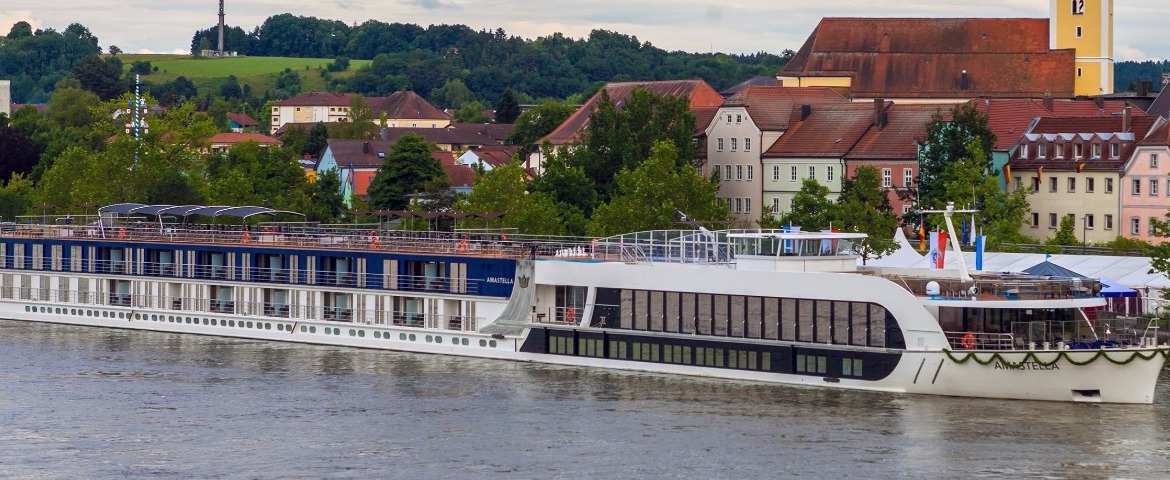
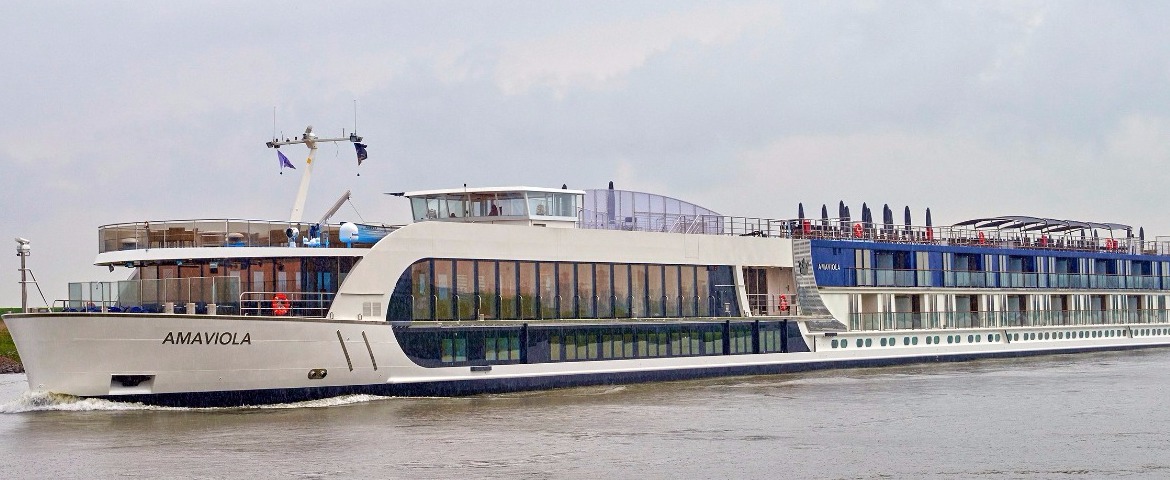
AmaWaterways (87 Cruises)
AmaCerto
42 Cruises
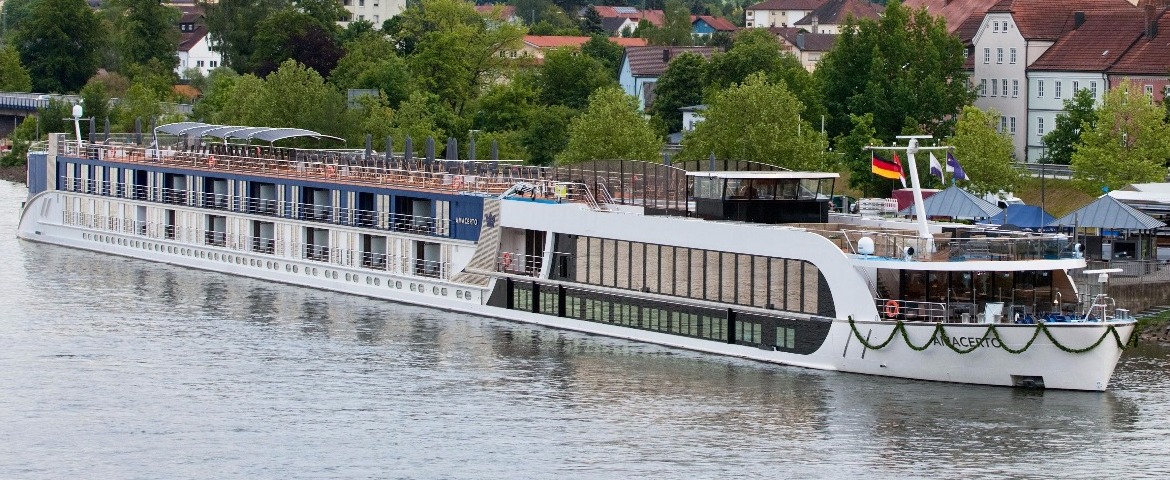

| 13 March | 12 days | One-way from Amsterdam to Basel |
450-628-6241
Call us
|
| 31 March | 8 days | One-way from Nuremberg to Luxembourg City |
450-628-6241
Call us
|
| 14 April | 11 days | One-way from Basel to Amsterdam |
450-628-6241
Call us
|
| 24 April | 12 days | One-way from Amsterdam to Basel |
450-628-6241
Call us
|
| 12 May | 8 days | One-way from Nuremberg to Luxembourg City |
450-628-6241
Call us
|
| 19 May | 8 days | One-way from Luxembourg City to Basel |
450-628-6241
Call us
|
| 4 August | 11 days | One-way from Basel to Amsterdam |
450-628-6241
Call us
|
| 14 August | 12 days | One-way from Amsterdam to Basel |
450-628-6241
Call us
|
| 11 March | 12 days | One-way from Amsterdam to Basel |
450-628-6241
Call us
|
| 29 March | 8 days | One-way from Nuremberg to Luxembourg City |
450-628-6241
Call us
|
AmaPrima
39 Cruises
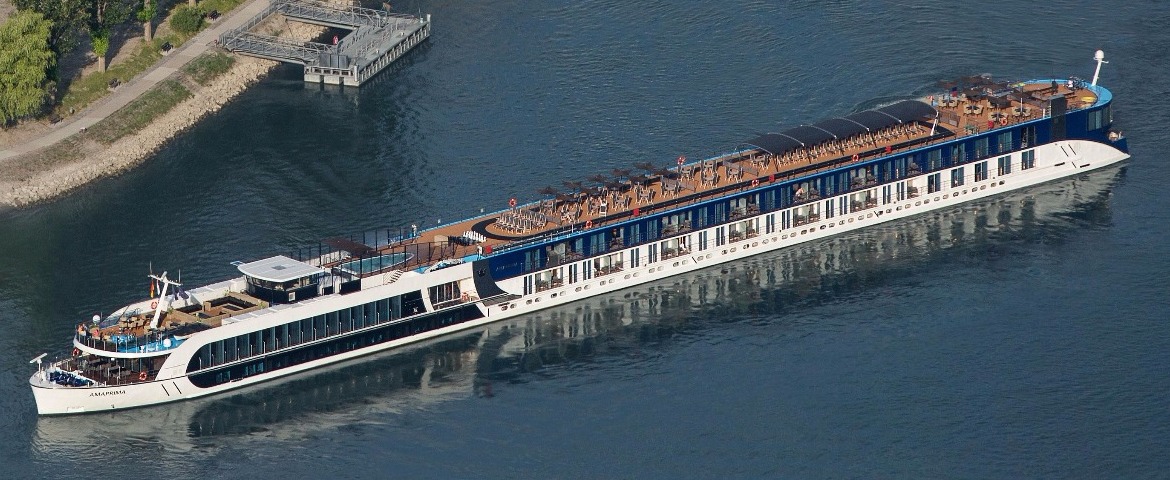
| 24 March | 8 days | One-way from Nuremberg to Luxembourg City |
450-628-6241
Call us
|
| 31 March | 8 days | One-way from Luxembourg City to Basel |
450-628-6241
Call us
|
| 7 April | 11 days | One-way from Basel to Amsterdam |
450-628-6241
Call us
|
| 17 April | 12 days | One-way from Amsterdam to Basel |
450-628-6241
Call us
|
| 12 June | 12 days | One-way from Amsterdam to Basel |
450-628-6241
Call us
|
| 30 June | 8 days | One-way from Nuremberg to Luxembourg City |
450-628-6241
Call us
|
| 22 March | 8 days | One-way from Nuremberg to Luxembourg City |
450-628-6241
Call us
|
| 29 March | 8 days | One-way from Luxembourg City to Basel |
450-628-6241
Call us
|
| 5 April | 11 days | One-way from Basel to Amsterdam |
450-628-6241
Call us
|
| 15 April | 12 days | One-way from Amsterdam to Basel |
450-628-6241
Call us
|
| 10 June | 12 days | One-way from Amsterdam to Basel |
450-628-6241
Call us
|
| 28 June | 8 days | One-way from Nuremberg to Luxembourg City |
450-628-6241
Call us
|
| 12 July | 11 days | One-way from Basel to Amsterdam |
450-628-6241
Call us
|
| 22 July | 12 days | One-way from Amsterdam to Basel |
450-628-6241
Call us
|
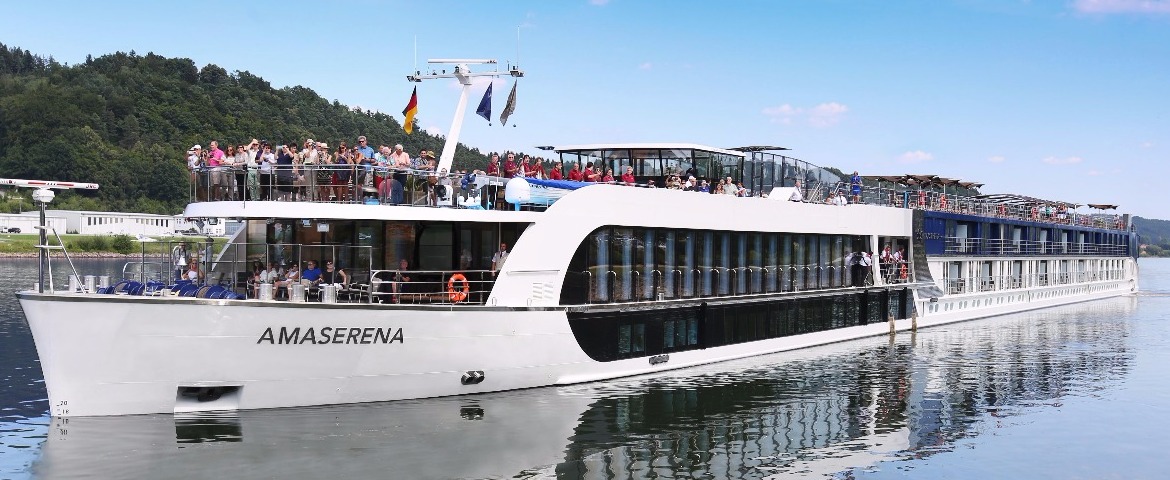
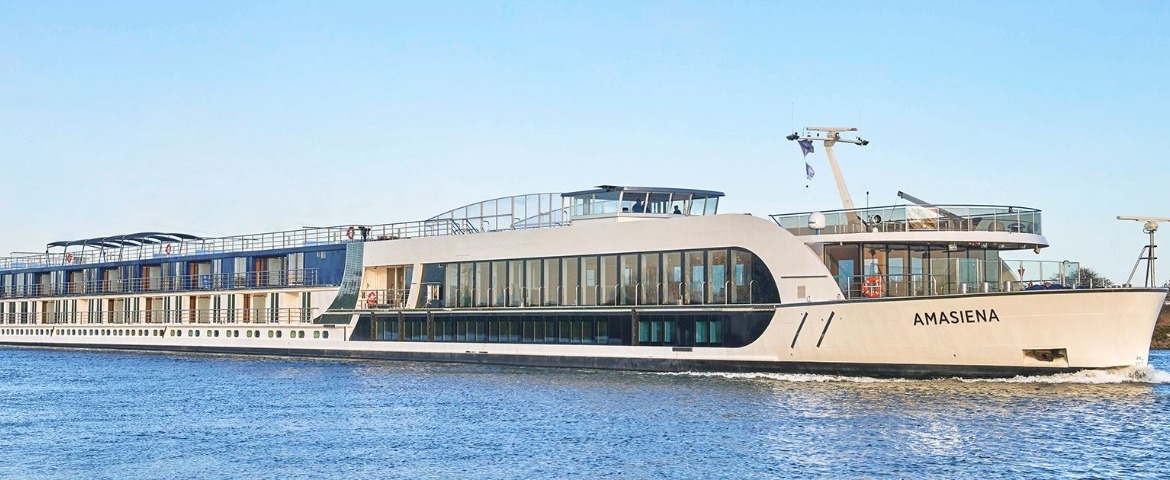
CroisiEurope (13 Cruises)
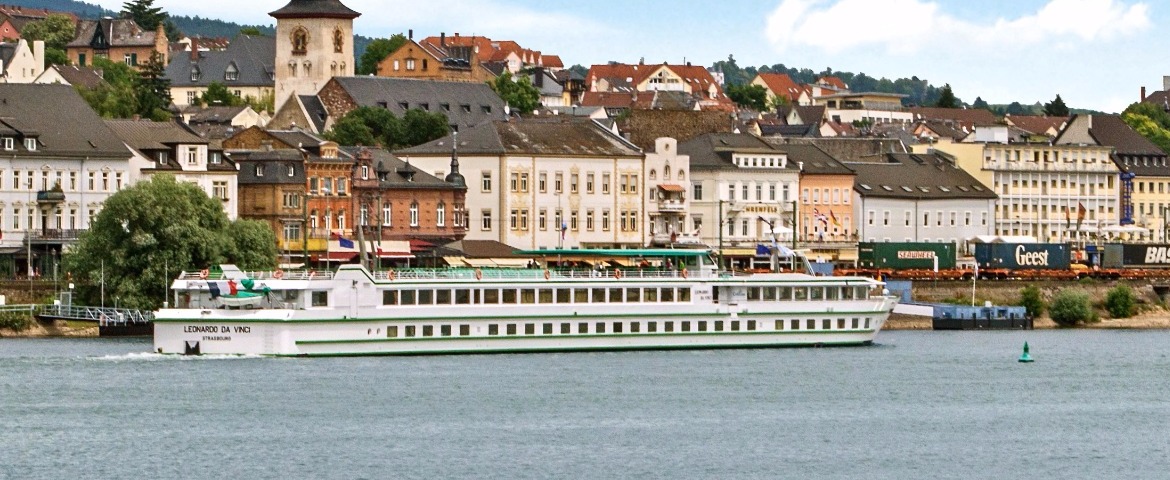
MS Leonard de Vinci
13 Cruises
| 8 May | 7 days | One-way from Remich to Kehl-Strasbourg |
450-628-6241
Call us
|
| 24 May | 7 days | One-way from Remich to Kehl-Strasbourg |
450-628-6241
Call us
|

Wasserbillig | Cruise Port Guide
Frequently Asked Questions
At the pontoon, on the point where the Sauer merges into the Moselle. You can watch the confluence from the mooring itself, and the waterside esplanade takes only minutes to walk. Wasserbillig is the Grand Duchy's first village for anyone travelling upstream.
Not much, and the village makes no pretence otherwise. The esplanade among lawns, benches and Sunday anglers, St Madeleine's church marking the centre, a few border-village cafés, and Gallo-Roman remains near the church recalling that the site was already watching the river crossing in antiquity. An afternoon in a village, nothing more.
Because Luxembourg has made public transport free across the entire country, trains included. From the station, a short distance from the pontoon, trains run to Luxembourg City in about forty minutes. It is a singularity the call benefits from directly.
Yes, about forty minutes by train, free of charge. The capital rewards the trip: UNESCO-listed old town and fortifications, casemates cut into the Bock rock, dizzying bridges above the Alzette and Pétrusse valleys. It is the most ambitious option of the call.
Yes, the city is about twelve kilometres away across the border, which makes a half day very realistic. Trier holds a Roman legacy unmatched north of the Alps: the Porta Nigra, an amphitheatre, baths and a cathedral with ancient origins, all World Heritage listed. Most cruise lines run an excursion there.
By ferry, rather. A small ferry links the German bank at Oberbillig in a few minutes. Crossing a border on the water, with no formality at all, is a small pleasure in itself, and it sums up this corner of the country nicely.
Reasonably. The village aquarium, a few hundred metres from the pontoon, makes a good family break by the water, and the shaded riverside path along the Sauer is an easy walk. For children, a full day in Trier or Luxembourg City will be more demanding.
Three, often in the same conversation: Luxembourgish, French and German. This everyday trilingualism gives the area its particular colour, and French-speaking travellers make themselves understood without effort.
The euro, on both sides of the border. Credit cards work everywhere, including for small purchases. Luxembourg and Germany are both in the Schengen area: no checkpoint watches the crossing.
It is the wine itinerary of the Luxembourg Moselle, following the bank all the way to Schengen. The Grand Duchy's limestone slopes produce well-regarded riesling, auxerrois and crémant. Buses follow the bank to Grevenmacher, a winegrowers' town where you can taste the country's whites and sparkling wines in cellars lining the main street.


