Cabo Pulmo Beach Resort Baja California Mexico

33 Cruises availables At departure or passage at this port

Lindblad Expeditions (22 Cruises)

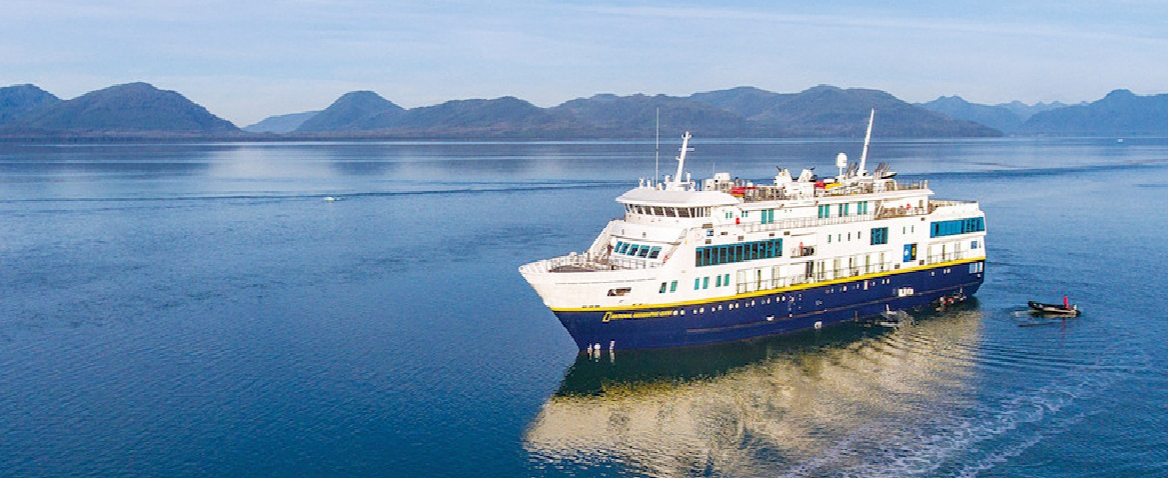
National Geographic Venture.

National Geographic Venture

150 Passengers
2920 tons
Visit the ship's page

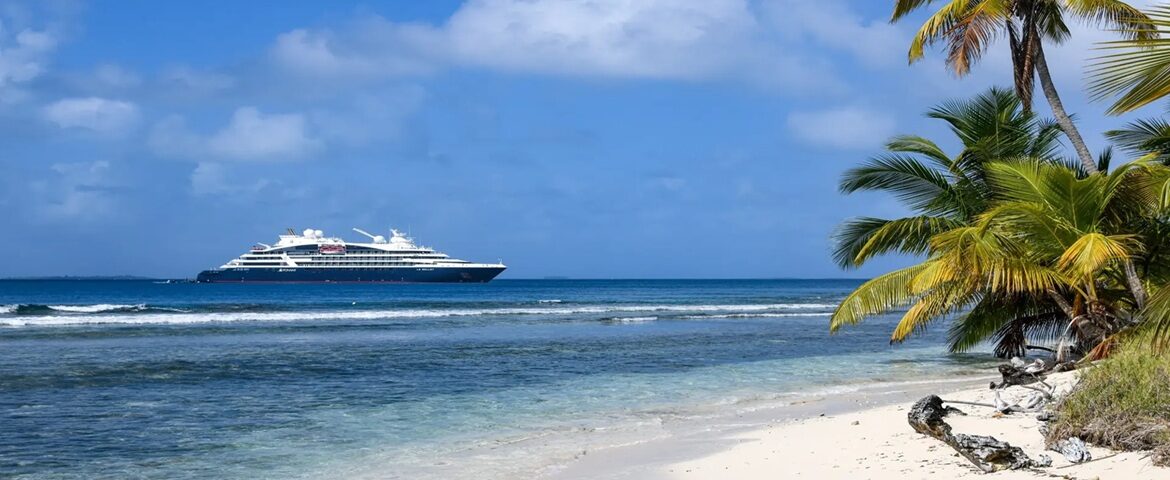
Beneath the hull, even before the anchor touches bottom, the colour of the water already hints at what sets this stop apart from all others: the only hard coral reef in the Gulf of California lives here, just a few fathoms from shore. Cabo Pulmo welcomes only small expedition ships. Landing is by small boat, straight onto the sand, facing a hamlet of a handful of solar-powered homes.

A Village That Changed Course

In the 1980s, the fishing families of Cabo Pulmo watched their catches shrink year after year. Rather than push harder, they made an unusual bet: asking for full protection of their bay. The marine national park established in 1995 proved them right beyond all expectation. Scientists monitoring the site have measured fish biomass increasing more than fourfold in a single decade, one of the most dramatic recoveries ever documented in a marine protected area. UNESCO has since listed the site as a World Heritage Site. The former fishermen became guides, and today their children tell visiting passengers the story of the reef.

Meeting the Reef

The centrepiece of this stop happens with a mask on your face. Snorkelling outings, led by the park's certified guides, head out to coral heads teeming with parrotfish, surgeonfish, moray eels, and schools of jacks so dense they sometimes form true silver tornadoes. Depending on the season, mobula rays, turtles, and reef sharks round out the scene. The park's rules are strict: keep your distance from the coral, use biodegradable sunscreen, small group sizes only. That rigour explains the striking health of the reef below.

On Land, the Essentials

The hamlet can be explored in just a few minutes: sandy paths, a few palapas serving handmade tortillas, and a community-run interpretive centre presenting the ecosystem and the history of the reserve. No bank, no chain store, no paved street. That simplicity is part of the experience. Between swims, a walk along the shore lets you watch frigatebirds and pelicans diving for fish, a sign that life abounds even at the surface.

The Desert, the Other Half of the Picture

Behind the houses, a trail heads into a landscape of thorny shrubs, cactus columns, and reddish hills belonging to the nearby Sierra de la Laguna. A short walk, early in the day, reveals unexpected life: jackrabbits, vultures gliding overhead, bright yellow orioles in the acacia trees. The hamlet's guides sometimes offer this walk alongside the sea outings, a good way to understand that the reserve actually protects two worlds meeting at the water's edge — one dry, one submerged, both astonishingly full of life.

Good to Know

  • This stop is reserved for expedition ships; landing by small boat, sometimes cancelled if swell picks up.
  • No developed tourist infrastructure: bring a hat, water, and biodegradable sunscreen.
  • Water activities are booked through the ship's expedition team.
  • The best underwater visibility generally runs from summer into early fall.
  • Payment in pesos or dollars is accepted at the palapas; no bank or ATM on site.

One Last Look

Climbing back into the boat, the contrast strikes one final time: a plateau of scrub and ochre rock behind, and ahead, a sea literally overflowing with life. Cabo Pulmo proves that a tiny community can reverse the decline of an ocean, and that lesson travels well beyond the Gulf of California. Passengers leave with their heads full of images of schooling fish, and with an idea that lingers long after: the sea knows how to heal, given enough time.

Frequently Asked Questions

Nowhere: there is no pier. Cabo Pulmo receives only small expedition ships, which anchor offshore, and passengers land by zodiac straight onto the sand in front of a hamlet of a few solar-powered houses. Landings are sometimes cancelled when the swell picks up.
It holds the only hard coral reef in the Gulf of California, a few strokes from shore. The marine national park created in 1995 produced a more than fourfold increase in fish biomass within a decade, one of the best-documented recoveries in any protected marine area. The site is UNESCO World Heritage listed.
A guided snorkelling outing with the park's certified guides is the core of the visit and the reason ships come. Ashore, the hamlet takes minutes to walk: sand tracks, palapas and a community-run interpretation centre. A short desert walk rounds out the morning.
Coral heads alive with parrotfish, surgeonfish, moray eels and schools of jack so dense they sometimes form silver tornadoes. Depending on the season, mobula rays, turtles and reef sharks join in. Nothing is guaranteed from one outing to the next.
No, and it is worth knowing before you land. No bank, no ATM, no chain store, no paved street. A few palapas serve hand-made tortillas, and payment is cash in pesos or US dollars.
The village's own fishing families, in the 1980s, as their catches shrank year after year. Rather than push harder, they asked for full protection of their bay. The former fishermen became guides, and their children now tell visitors the story of the reef.
Keep your distance from the coral, use biodegradable sunscreen, and stay in small groups. These rules are the reason the reef is in such good health; they are not decorative, and the park guides enforce them.
Yes, the desert. Behind the houses a track runs into thorn scrub, columnar cactus and the rust-coloured hills of the nearby Sierra de la Laguna. Early in the day you may spot jackrabbits, soaring vultures and bright yellow orioles in the acacias.
Summer through early autumn, when underwater visibility is usually best and the water warmest. Winter still works, but the water is cooler and northerly winds raise a swell that complicates landings.
Yes, for children comfortable in the water and able to swim in a supervised group. There is no tourist infrastructure, very little shade and no backup plan in poor weather: bring a hat, water and biodegradable sunscreen from the ship.