San José del Cabo, Mexico | Cruise Port Guide

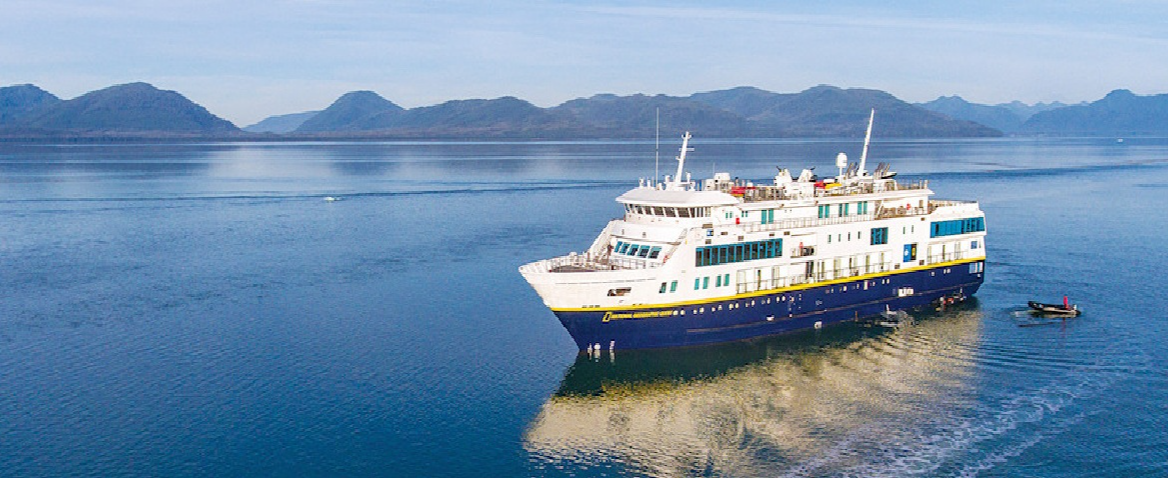
Passengers who already know Cabo San Lucas are often surprised when they set foot in San José del Cabo. About thirty kilometres from its high-energy neighbour, the other half of Los Cabos cultivates an entirely different temperament: that of an old town founded by the Jesuits, set between the desert of Baja California Sur and the Sea of Cortez, where people take the time to walk in the shade of the trees on the square. Ships drop anchor offshore and bring their passengers ashore by tender at the Puerto Los Cabos marina, a vast pleasure-boat basin protected by two breakwaters, a few minutes' drive from the historic heart.

A square, a mission, a way of life

Everything converges on Plaza Mijares, a shaded esplanade where families gather around the bandstand at the end of the day. On one side stands the mission church, founded in 1730 and rebuilt in 1840, with a pale façade and a sober look facing the flame trees. The streets radiating from the zócalo line up low houses in ochre and terracotta hues, craft shops and restaurants set in old colonial homes, inner courtyards included. Everything is explored on foot, unhurriedly, and that's precisely the appeal here: you sit down, watch the ice cream vendors go by, listen to the bells ring the hour.

The gallery district

Behind the church begins the art district, a handful of lanes where art dealers and creators have set up shop, mainly along Obregón Street and its neighbours Comonfort and Morelos. Contemporary Mexican painting, sculpture, photography: the studios follow one another door after door, often run by the artists themselves, happy to explain their work. From November to June, the area comes alive every Thursday evening during the Art Walk, when the studios stay open late and the lanes fill with strollers. If your ship stays at anchor on a winter Thursday evening, the detour is well worth a few hours.

The estuary, a bird refuge between desert and sea

A short distance from the district, the San José River ends its nearly 40-kilometre underground course from the Sierra de la Laguna and forms a protected estuary, separated from the sea by a long sand bar about a kilometre long. This municipal reserve is home to more than 200 bird species. Along the trails, you can spot brown pelicans, snowy egrets, herons, ibises, black-necked stilts and sometimes a Xantus's hummingbird, binoculars or phone in hand. The contrast is striking: on one side the desert cacti, on the other a lush lagoon teeming with life, with the town's bell towers in the background.

Planning your time ashore

  • From the Puerto Los Cabos marina to Plaza Mijares: about 5 to 10 minutes by taxi.
  • The esplanade, church, studios and estuary can then be reached on foot, on flat ground.
  • The seafront and its promenade are about a fifteen-minute walk from the old core.
  • Cabo San Lucas and the Land's End arch are the focus of half-day organized excursions.

The local flavour

The town has carved out an enviable culinary reputation in the region. Kitchens in the old quarter work with produce from the Sea of Cortez, tuna, smoked marlin or clams, while the valley's farms supply vegetables and fresh herbs. A simple stop for fish tacos and an agua fresca, in the shade of a patio, is sometimes enough to understand why so many travellers prefer this quiet shore to the bustle of its neighbour.

Back to the ship

Returning to the tender, many passengers take away the memory of a shaded esplanade, a mission bell tower and a heron standing still in the lagoon. San José del Cabo doesn't try to impress. Instead, it leaves the impression of having glimpsed the Mexico that existed before the beach resorts, the one that continues to live around its church and its square — and that discretion makes you want to come back and stroll for longer.

Frequently Asked Questions

They anchor offshore, with tenders landing at the Puerto Los Cabos marina, a large pleasure-craft basin protected by two breakwaters. Allow 5 to 10 minutes by taxi to Plaza Mijares.
Temperament. Thirty kilometres from its high-energy neighbour, San José del Cabo is an old Jesuit-founded town where people take time to walk in the shade of the trees on the square. It is the quieter half of Los Cabos.
Yes, once you reach the centre. The square, the church, the art studios and the estuary are all walkable on flat ground. The seafront and its promenade are about fifteen minutes' walk from the old core.
The mission church, founded in 1730 and rebuilt in 1840, with a pale facade and a sober line facing the flame trees. Families gather around the bandstand late in the day. The streets radiating from the zócalo line up low houses in ochre and terracotta.
A handful of lanes behind the church, mainly along Calle Obregón and its neighbours Comonfort and Morelos, where art dealers and makers follow one another door after door. The studios are often run by the artists themselves, happy to explain their work.
A weekly evening, every Thursday from November to June, when the art district studios stay open late and the lanes fill with strollers. If your ship stays at anchor on a winter Thursday evening, it is well worth a few hours.
A municipal reserve a short distance from the art district, where the Río San José forms a lagoon separated from the sea by a sandbar about a kilometre long. Over 200 bird species have been recorded: brown pelicans, snowy egrets, herons, ibis, black-necked stilts.
Sea of Cortés seafood, tuna, smoked marlin or clams, handled by the old quarter's kitchens with vegetables and herbs from the valley farms. Fish tacos and an agua fresca in the shade of a patio usually explain the town's culinary reputation.
Yes, on a half-day organised excursion to the Land's End arch, about thirty kilometres away. Many passengers, though, prefer this quieter shore to its neighbour's bustle and choose to stay put.
The Mexican peso, with US dollars accepted in galleries and restaurants. You will get better value paying in pesos, especially in the old quarter's kitchens.