Delfzijl Netherlands Groningen
8
Cruises availables
At departure or passage at this port
CroisiEurope (8 Cruises)
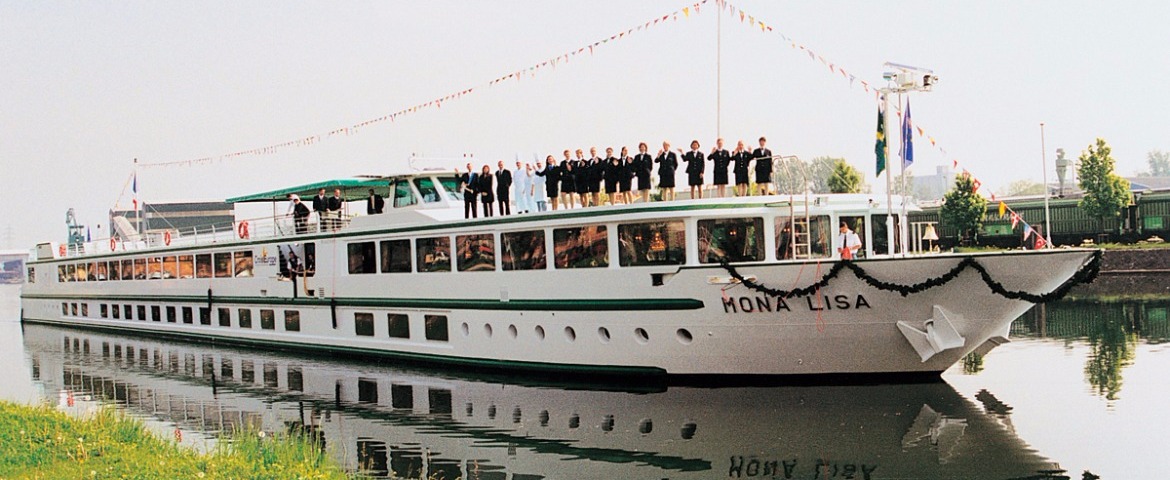

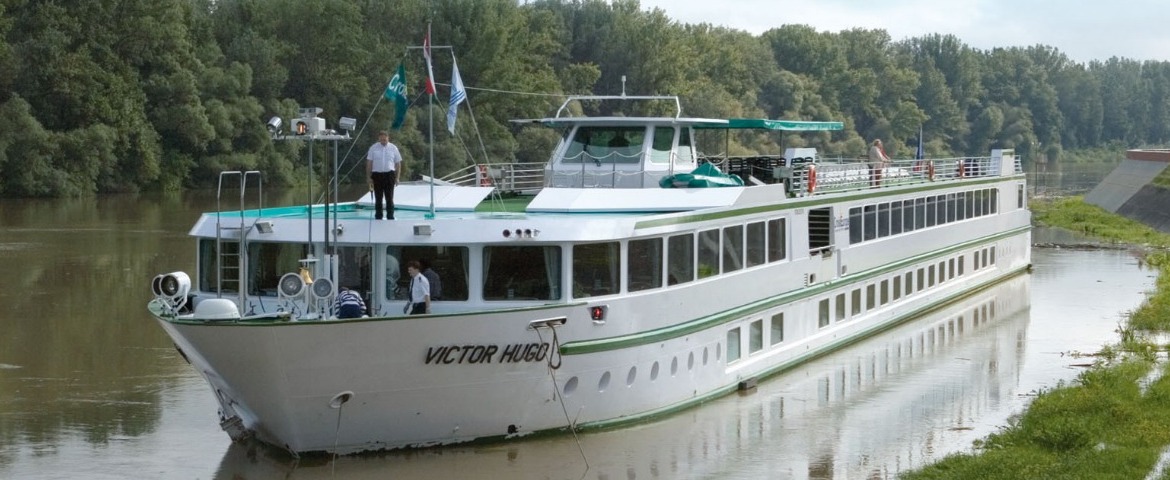
MS Victor Hugo
6 Cruises
Port of Delfzijl, Netherlands | Cruise Port Guide
Frequently Asked Questions
In the port, the Netherlands' fifth largest, facing the Ems estuary in the province of Groningen. The centre amounts to a few shopping streets around the market square.
He was born here. In 1929 Georges Simenon, moored in the harbour aboard his boat the Ostrogoth, wrote the first novel featuring his famous detective. A statue of the inspector has stood near the port since 1966.
Walk the sea wall laid out as a boulevard facing the estuary, carry on to the locks, and visit the MuzeeAquarium. It all fits into a quiet morning.
A maritime cabinet of curiosities rather than a grand museum: Wadden Sea aquariums, shells from around the world, ship models and archaeological finds. An hour is enough, and you leave with stories of seals, amber and wrecks.
Yes, the Reide headland, a tongue of land south of town, serves as a haul-out. Boat trips or guided walks on the tidal flats sometimes bring you close, depending on the tide.
The Ems estuary, wide and silver-grey, as far as the German shore on a clear day, cargo ships working their way up to the quays, and the milky Wadden Sea light that inspired generations of northern painters.
Yes, about thirty kilometres away. Calls often include an excursion, and the direct train gets there in under an hour.
The Martini tower, affectionately known locally as d'Olle Grieze, the old grey one, the Groninger Museum in a boldly coloured postmodern building set on the water, and the Vismarkt on market days.
None that demand your admiration, and it makes no apology. The call suits travellers who like watching a country work: locks opening, tugs manoeuvring, residents pedalling into the wind.
They carry the traffic of the Ems canal, which has linked the port to Groningen since the nineteenth century. The massive gates are still impressive as barges pass through.


