Lelystad Netherlands Flevoland
47
Cruises availables
At departure or passage at this port
AmaWaterways (47 Cruises)
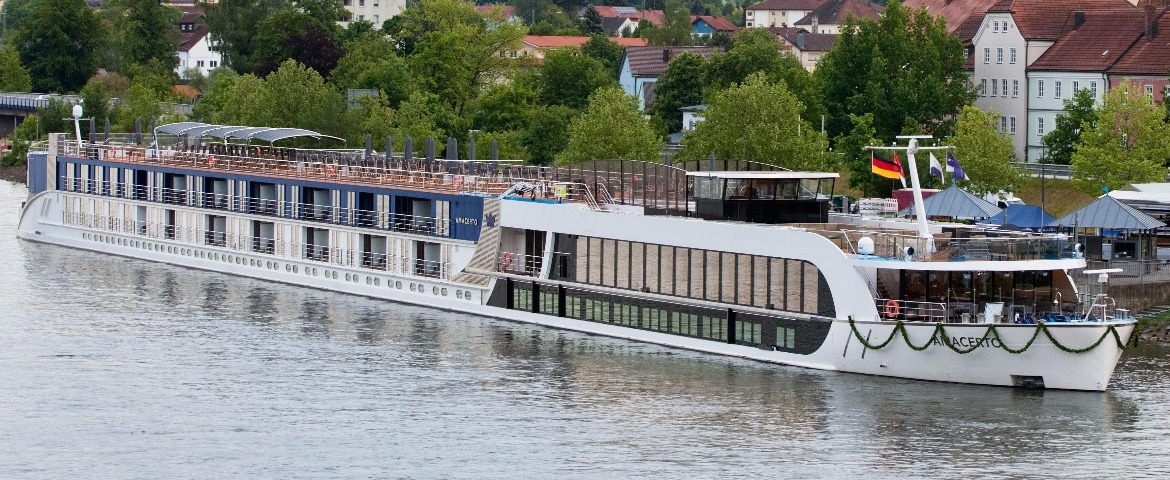

AmaLucia
7 Cruises
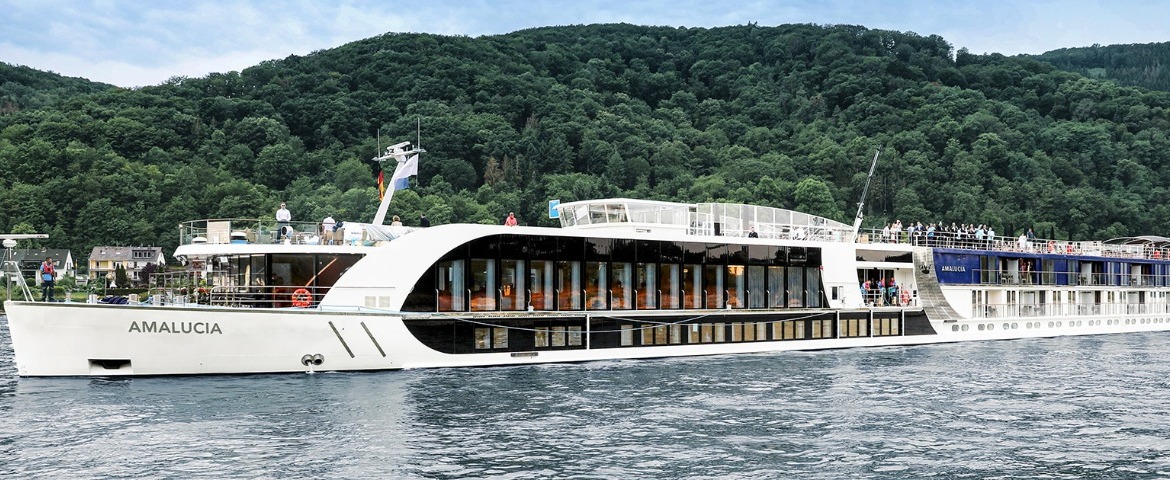
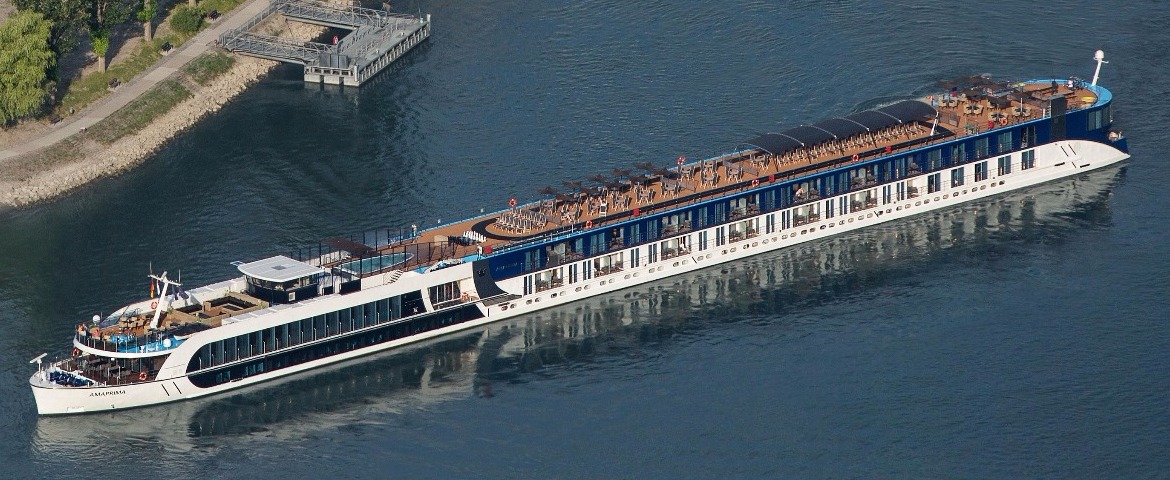
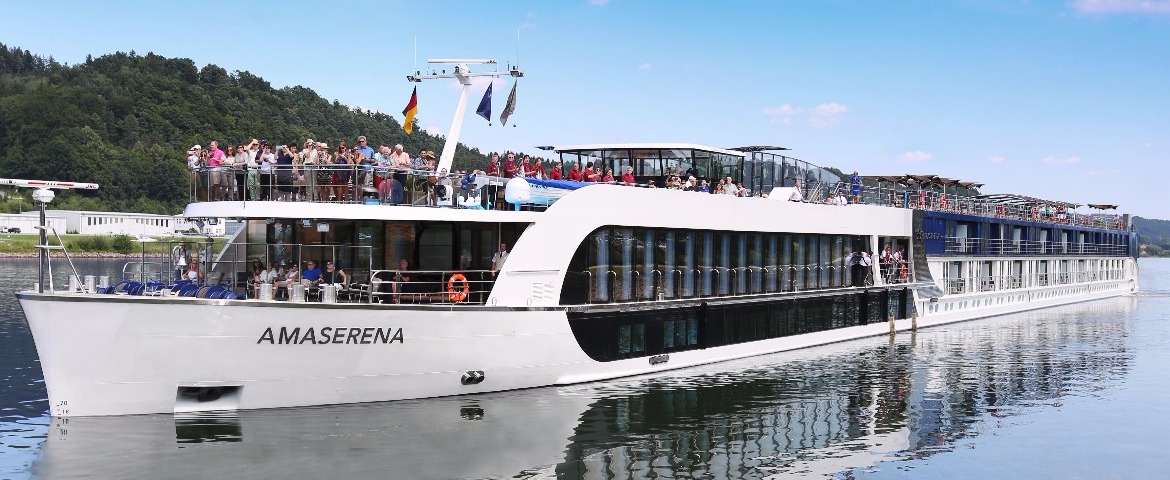
AmaSerena
10 Cruises
| 19 March | 8 days | Round-trip from Amsterdam, Netherlands |
450-628-6241
Call us
|
| 26 March | 8 days | Round-trip from Amsterdam, Netherlands |
450-628-6241
Call us
|
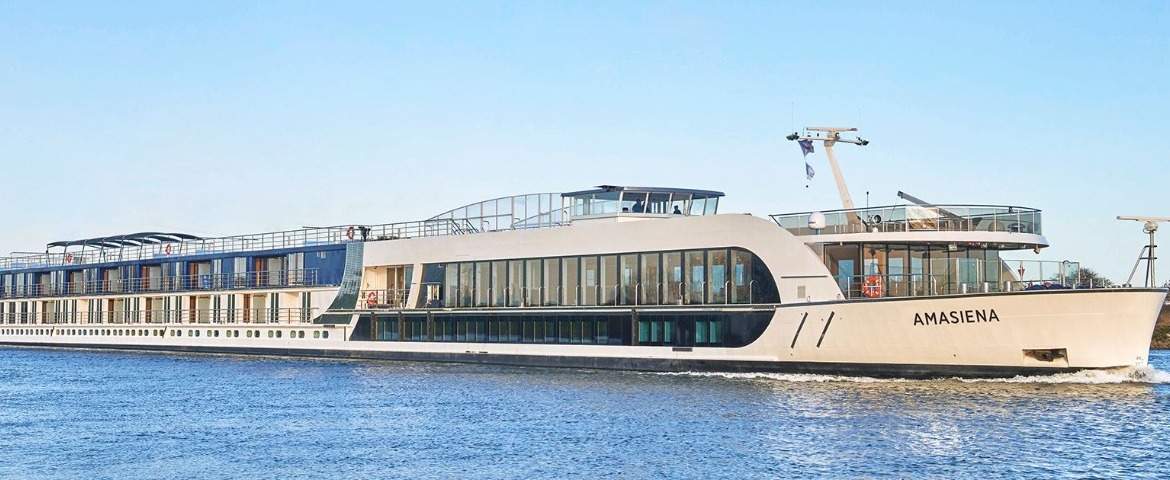
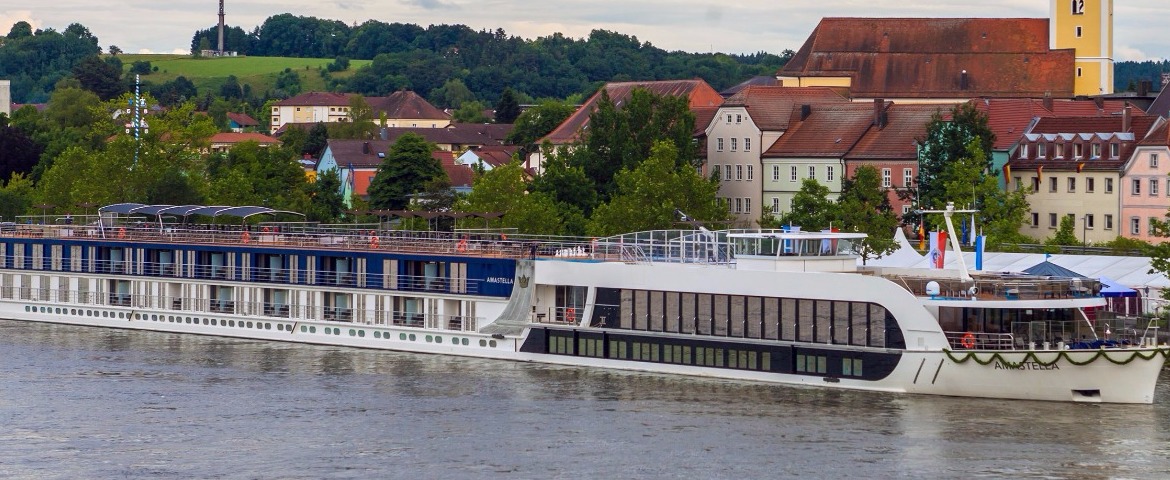
AmaSiena
7 Cruises
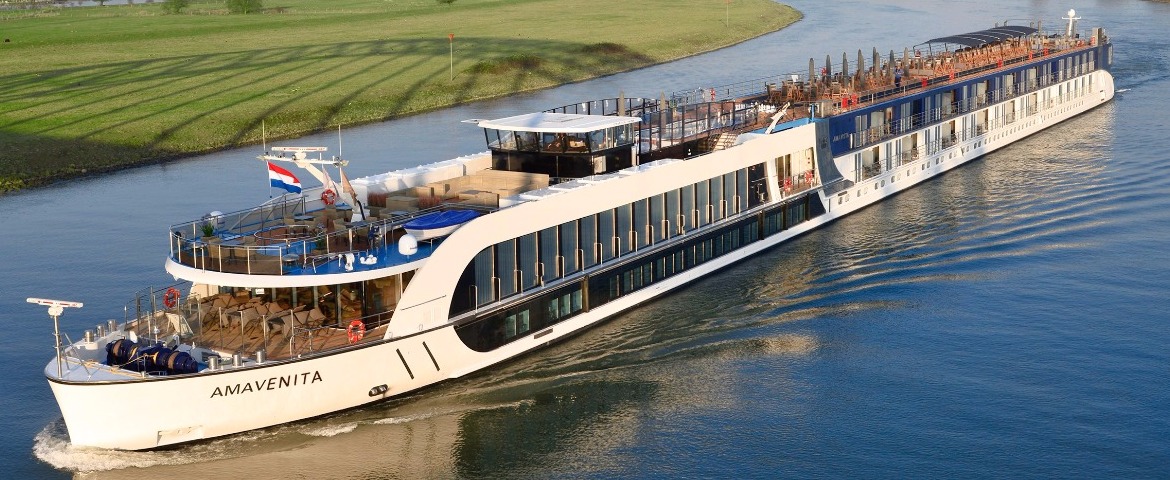
AmaVenita
9 Cruises
| 4 February | 8 days | Round-trip from Amsterdam, Netherlands |
450-628-6241
Call us
|
| 25 February | 8 days | Round-trip from Amsterdam, Netherlands |
450-628-6241
Call us
|
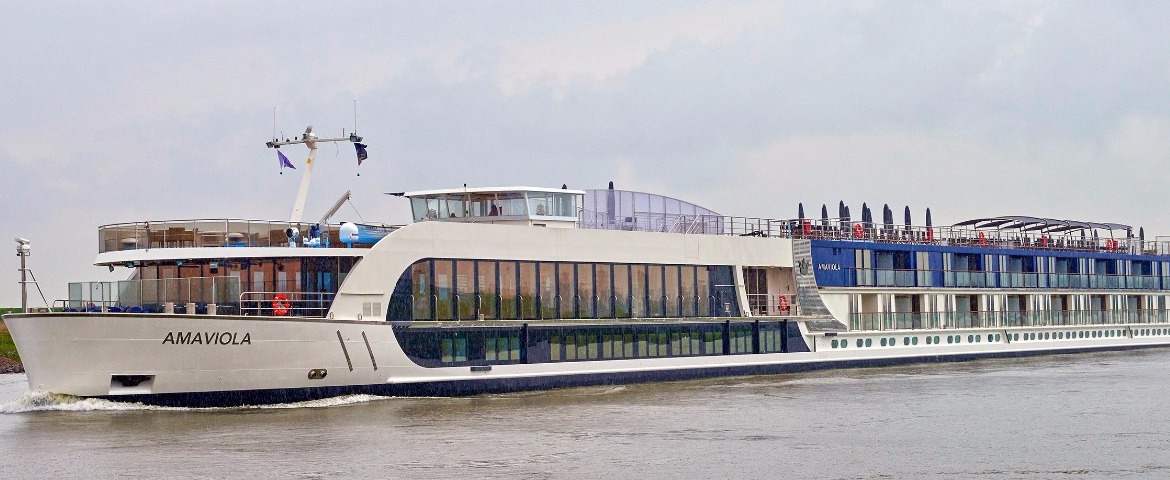
AmaViola
9 Cruises
| 17 March | 8 days | Round-trip from Amsterdam, Netherlands |
450-628-6241
Call us
|
| 24 March | 8 days | Round-trip from Amsterdam, Netherlands |
450-628-6241
Call us
|

Port of Lelystad, Netherlands | Cruise Port Guide
Frequently Asked Questions
At Bataviahaven, a modern basin built to receive river cruise vessels and tall ships, a short walk from the main attractions. The whole call can be done on foot.
Yes, literally. The capital of Flevoland province sits on a polder reclaimed from the old Zuiderzee in the twentieth century, several metres below the level of the water. The town is named after Cornelis Lely, the engineer who designed that vast scheme of dykes and pumps.
A faithful replica of a Dutch East India Company ship launched in 1628 and lost on her very first voyage off Australia. Between 1985 and 1995 shipwrights and volunteers rebuilt her here using period techniques: solid oak, gilded carvings, kilometres of rope.
Yes. You lean over the guns and go down to the between-decks where more than 300 people were crammed. The guides tell the story of the wreck and the bloody mutiny plainly — the episode that made the original ship part of Dutch maritime infamy.
One striking fact: in draining the polders, the Dutch found hundreds of shipwrecks sitting in the fields where the inland sea once lay. Charts, recovered objects and models tell the story of early navigation and of the making of Flevoland itself.
A large area of marsh and grassland on the edge of town that became one of Western Europe's most studied nature reserves. It shelters herons, geese, harriers and big herds of konik horses and red deer, made famous by the documentary De Nieuwe Wildernis.
Yes. Batavia Stad Fashion Outlet, just behind the quays, lines up more than a hundred brand stores in a mock fortified-town setting. It is not historic in the least, but it is useful: cafés, restaurants and shops five minutes from the gangway.
Yes, the Aviodrome near the local airfield, showing around a hundred aircraft from pioneer Fokkers to a Boeing 747 you can walk through from hold to flight deck. It requires transport from the port.
The Batavia and Batavialand easily fill three hours between them, right by the quay. The Oostvaardersplassen or the Aviodrome need an extra half day and transport.
Very much so. Boarding a seventeenth-century ship, watching shipwrights at the yard and seeing the wild horses of the Oostvaardersplassen — few Dutch calls offer children so much that is tangible.


