Roermond Netherlands Limburg
15
Cruises availables
At departure or passage at this port
Uniworld Boutique River Cruise (15 Cruises)
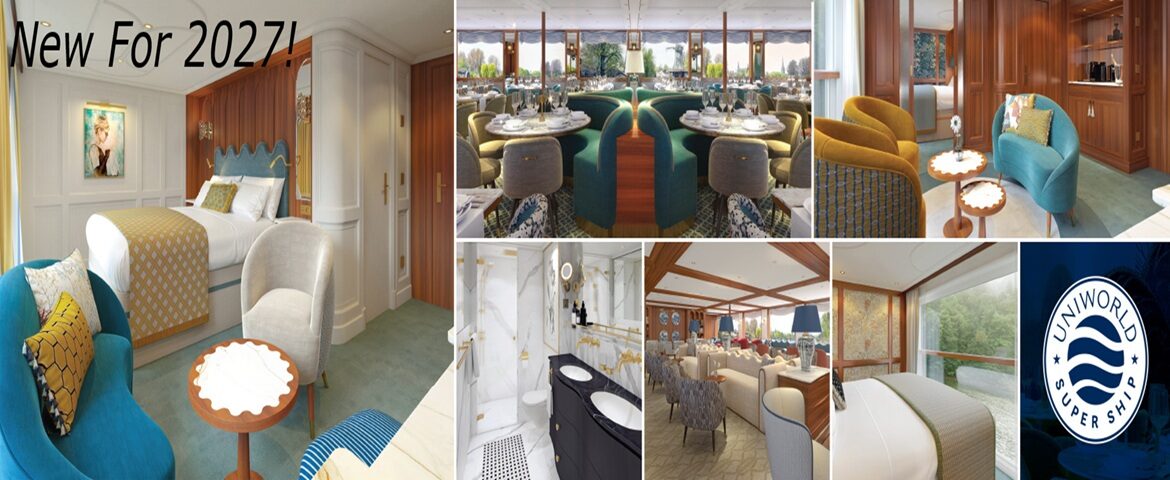

S.S. Victoria
12 Cruises

| 3 June | 15 days | One-way from Basel to Brussels |
450-628-6241
Call us
|
| 17 June | 15 days | One-way from Brussels to Basel |
450-628-6241
Call us
|
Roermond, Netherlands | Cruise Port Guide
Frequently Asked Questions
At the Roerkade, right in the centre. The gangway leads out a few streets from the steeples and terraces: everything is within a two-kilometre walk, including the designer outlet centre.
A thirteenth-century Romanesque church with twin onion-domed towers, built for a Cistercian abbey. It holds the polychrome tomb of Count Gerard of Guelders and his wife; its nineteenth-century restoration bears the signature of Pierre Cuypers.
The architect of Amsterdam's Rijksmuseum and of countless Dutch churches and stations. His house and studio, the Cuypershuis, is now a museum: drawings, models and cabinetwork show how this tireless builder shaped the nineteenth-century Dutch landscape.
The largest water-sports area in the Netherlands, formed by old gravel pits flooded by the Meuse: a constellation of lakes among islands, marinas and brick villages. Local cruises run from the quays, and yachts, paddleboards and small catamarans share the water in fine weather.
Yes — it is one of the things the town is known for. A large designer outlet centre within walking distance of the old centre gathers close to two hundred brand stores. Germans and Belgians come in numbers, which keeps the town busy year-round.
Vlaai, the Limburg fruit tart, on a terrace on the market square. It is the province's speciality, and people from Limburg bring it out for every occasion.
Yes, about fifteen kilometres upstream. River excursions sometimes call there: a village entirely whitewashed around its abbey church, and one of the prettiest in the Netherlands.
A walk along the banks of the Roer, among willows, old mills and flowered footbridges, with the steeples of the old town as a backdrop. It is the contemplative option against the bustle of the shopping streets.
Yes, and it is the most local way to spend a mild afternoon. A flat, waymarked network of paths runs out into the Limburg countryside, true to a solid cycling tradition.
It is a riverine, Catholic, food-loving south of gentle hills, living at a more southern rhythm than the great northern cities. Terraces fill at the first break in the clouds — a thoroughly Limburg habit.


