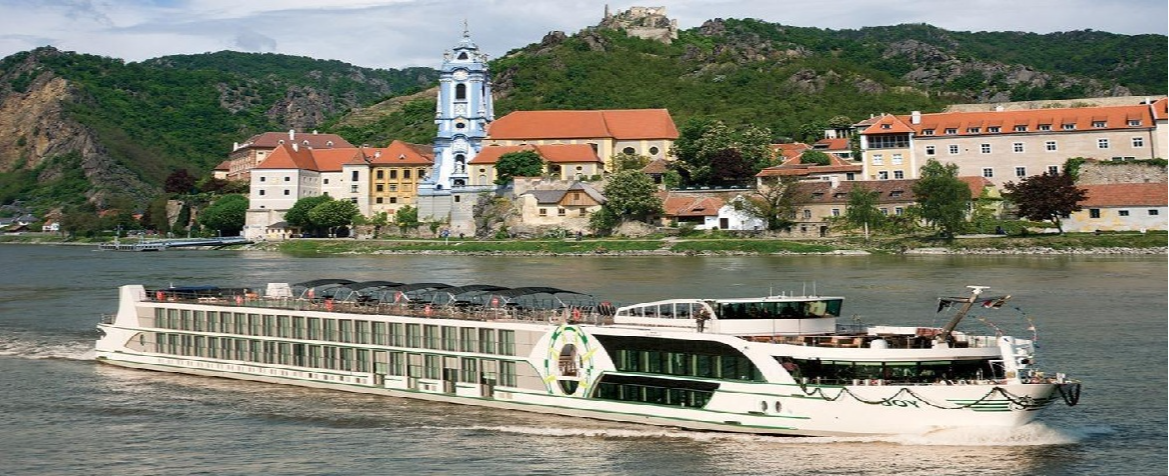
Port of Schoonhoven, Netherlands | Cruise Port Guide

In the shop windows of Schoonhoven, silver has gleamed for centuries. Rings, teapots, engraved spoons: this small town on the banks of the Lek, in South Holland, has built a national reputation on working the precious metal, so much so that it's simply nicknamed the "silver town." River cruise boats moor at the foot of the ramparts, between Rotterdam and Utrecht, and the entire stop unfolds on foot, in a historic centre that has remained remarkably cohesive.

Passing through the Veerpoort

The entrance from the river has a ceremonial feel. From the bank of the Lek, you pass beneath the Veerpoort, the last survivor of the five gates that once closed off the town. With the river behind you, you discover a central canal lined with linden trees and brick façades, drawbridges and lanes where jewellers' signs follow one after another. Everything is close, everything is calm: Schoonhoven is explored the way you leaf through an old book, page after page, without ever checking your watch.

The craft that shaped everything

To understand the place, head to the Nederlands Zilvermuseum, the national silver museum. Its collections trace the history of local silversmiths: the techniques, the hallmarks, the masterpieces, but also life in the workshops, where apprentices spent years before being trusted with an important commission. Demonstrations regularly show the metal taking shape under the hammer. On the way out, your perspective changes: the silversmiths' shops on the main street are no longer just stores, but the living continuation of a lineage. Several workshops open their doors and sell pieces made on site — a souvenir of the stop that, for once, means something.

The leaning tower

As you wander the streets, two buildings catch your eye. The Grote Kerk, a 14th-century church, sports a visibly tilted bell tower — about a metre and a half out of plumb — which residents mention with a touch of pride, like an eccentric cousin. Farther on, the 15th-century town hall raises its elegant silhouette above the canal. Add the flower-decked bridges, an old public weigh house and the barges gliding along the Lek behind the dike: the walk takes shape on its own, with no set route.

The flat country all around

Schoonhoven sits in a polder landscape typical of the Green Heart of Holland: meadows criss-crossed by ditches, church towers in the distance, peaceful cows and herons on the lookout along the canals. The excursions offered during river stops often lead to Kinderdijk, a short distance downstream, where nineteen windmills listed as a UNESCO World Heritage Site watch over the drainage canals. Others prefer to hop on a bike along the Lek dike: in a few pedal strokes, you find yourself alone between river and meadows, in a Holland without motorcoaches.

Key points for the stop

  • Mooring on the bank of the Lek, a few steps from the Veerpoort and the centre.
  • Nederlands Zilvermuseum: the main attraction, within walking distance.
  • Grote Kerk and its leaning tower, town hall, canals: a walking tour of about two hours.
  • Silversmith shops and workshops concentrated in the central streets.
  • Possible excursion to the Kinderdijk windmills depending on the boat's itinerary.

The lasting gleam

Heading back to the gangway, many travellers carry a small pouch in the palm of their hand: a spoon, a pendant, a few grams of silver crafted a hundred metres from the river. Others take away only images — the leaning tower, the linden trees, the gate onto the Lek. Either way, Schoonhoven succeeds in its quiet wager: proving that a tiny town, faithful to a single craft for generations, can leave a deeper mark on a cruise than many a capital. The Lek resumes its course, and the evening light does exactly what is expected of it here: it turns the water to silver.

Frequently Asked Questions

At the foot of the ramparts on the Lek, between Rotterdam and Utrecht. The whole call is on foot: you pass under the Veerpoort and find a historic centre of rare coherence.
The last survivor of the five gates that once closed the town on the river side. Passing through it feels ceremonial: the Lek behind you, a central canal lined with lime trees opens up, with lift bridges and lanes where jewellers' signs follow one another.
Because it built a national reputation on working precious metal. Rings, teapots, chased spoons: silver has shone in its windows for centuries, and several working silversmiths' studios still operate in the central streets.
The national silver museum traces the history of local silversmiths: techniques, hallmarks, masterpieces, and also the life of the workshops where apprentices spent years before touching an important commission. Demonstrations regularly show metal taking shape under the hammer.
Yes. Several studios open their doors and sell pieces made on site. It is a souvenir with meaning: a spoon or a pendant worked a hundred metres from the river, not an imported object.
Yes, by about a metre and a half out of true. The fourteenth-century Grote Kerk carries that visible tilt, which locals mention with a touch of pride, like an eccentric cousin.
About two hours for the walking circuit — the Grote Kerk and its leaning tower, the fifteenth-century town hall, the canals and flowered bridges — plus time for the silver museum. The town is read like an old book, page by page, without checking your watch.
Yes, it is a common excursion on river calls: the nineteen World Heritage windmills lie a short distance downstream on the same axis.
Take a bicycle onto the Lek dyke. A few turns of the pedals and you are alone between river and meadow, in a polder landscape typical of green Holland: gridded ditches, distant steeples, placid cows and herons on watch.
Yes, and that is precisely its wager. A tiny town faithful to a single craft for generations can mark a cruise more than many capitals. Do not look for a great monument here — look for coherence.