St Eustatius Island Oranjestad, Netherlands Antilles
3
Cruises availables
At departure or passage at this port

Port of Sint Eustatius, Caribbean Netherlands | Cruise Port Guide
Frequently Asked Questions
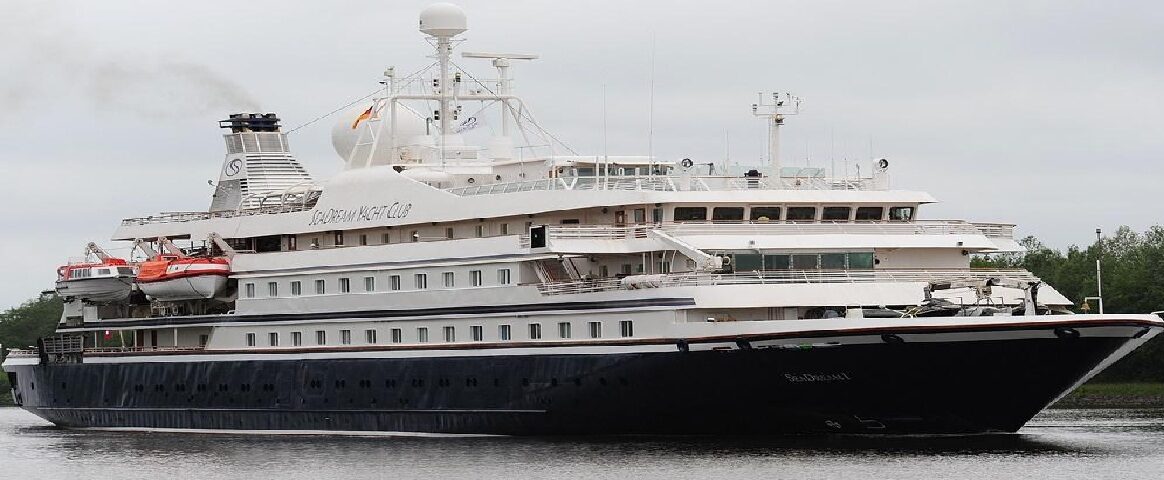
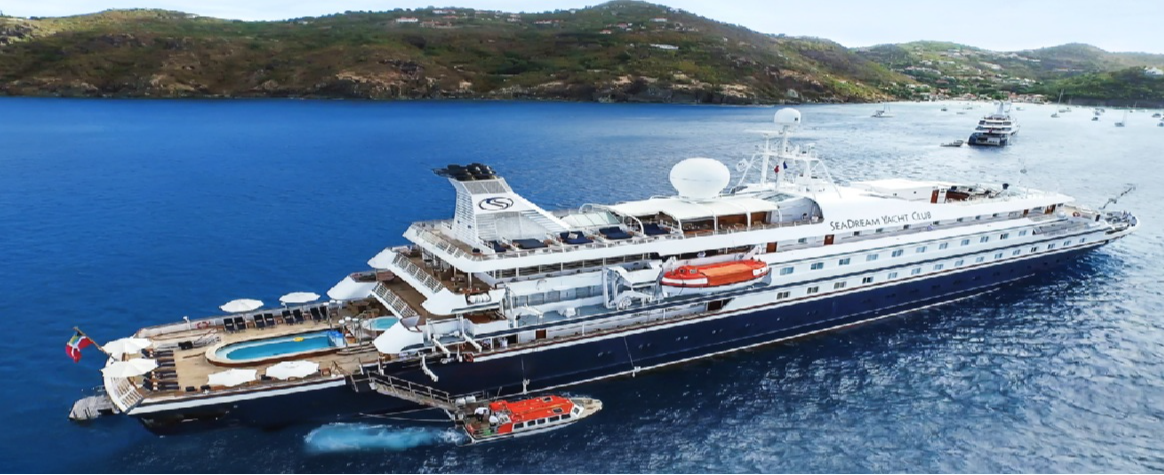
Ships anchor in Oranje Bay and tenders land passengers at the old Lower Town pier, at the foot of the cliff. It was here that up to three thousand five hundred merchant sailing ships anchored each year in the Golden Rock era.
A drowned town. Of the warehouse street that once made fortunes, there remain yellow brick walls eaten by the waves, arches open to the sky and foundations half covered by the sea. You walk those ruins with your feet in black sand — a melancholy, gripping scene unique in the Caribbean.
On 16 November 1776, eleven guns fired from Fort Oranje saluted a ship flying the flag of the young United States: the first official salute given to the American flag by a foreign power. Five years later, British Admiral Rodney sacked the island in reprisal.
On foot, along a gently sloping paved path, in about ten minutes. Upper Town holds Fort Oranje, the Reformed church whose tower can be climbed, and the remains of the Honen Dalim synagogue, built in 1739.
A fort founded by the French in 1629 and enlarged by the Dutch, still commanding the roadstead with its guns pointed at the horizon. A plaque presented by the United States commemorates the salute of 1776.
Yes. The main trail leaves from town and reaches the crater rim in about an hour of steady walking, shaded for most of the way. The keenest descend into the crater among giant fig trees, orchids and hermit crabs; others settle for the panorama.
Yes. The national park office in town sells the access pass and supplies maps and advice. Start early: the Quill rises to six hundred metres and the heat builds quickly by midday.
Eighteenth-century trade currency that legend links to emancipation, when enslaved people are said to have thrown them into the sea as a sign of freedom. Divers look for them among the hundred-odd wrecks in the bay. Finding one brings luck — and they cannot be bought: only the sea hands them out.
Yes, and it is unusual: mask and snorkel let you explore the submerged foundations of Lower Town a few metres from shore, where fish have taken up residence in the old rum cellars.
An island of a few thousand people, with no queues and no heavy tourist infrastructure. It is not unusual to have the whole ruin walk to yourself. Few calls pack so much history into so small a space, or tell it so plainly.


