Willemstad NL Netherlands North Brabant

61 Cruises availables At departure or passage at this port

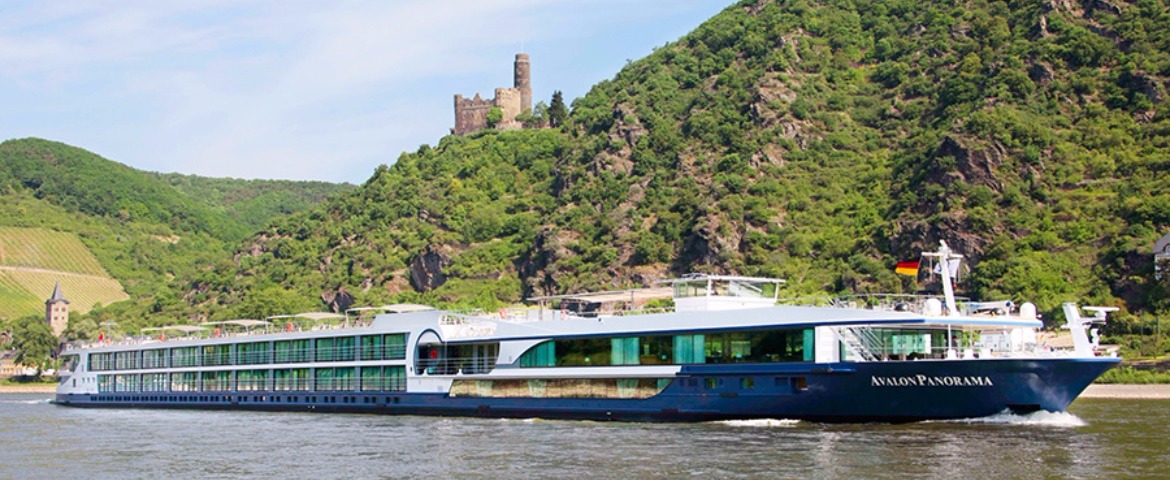
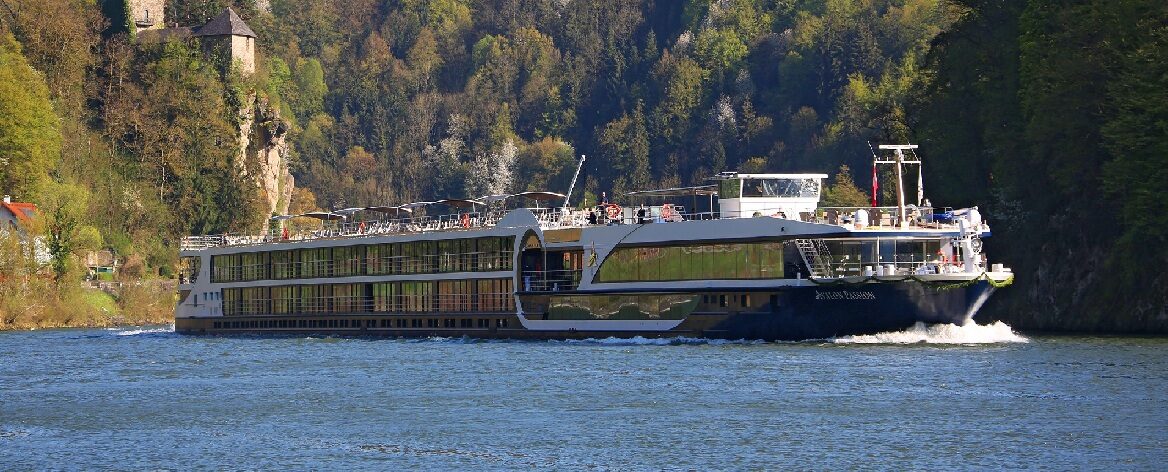
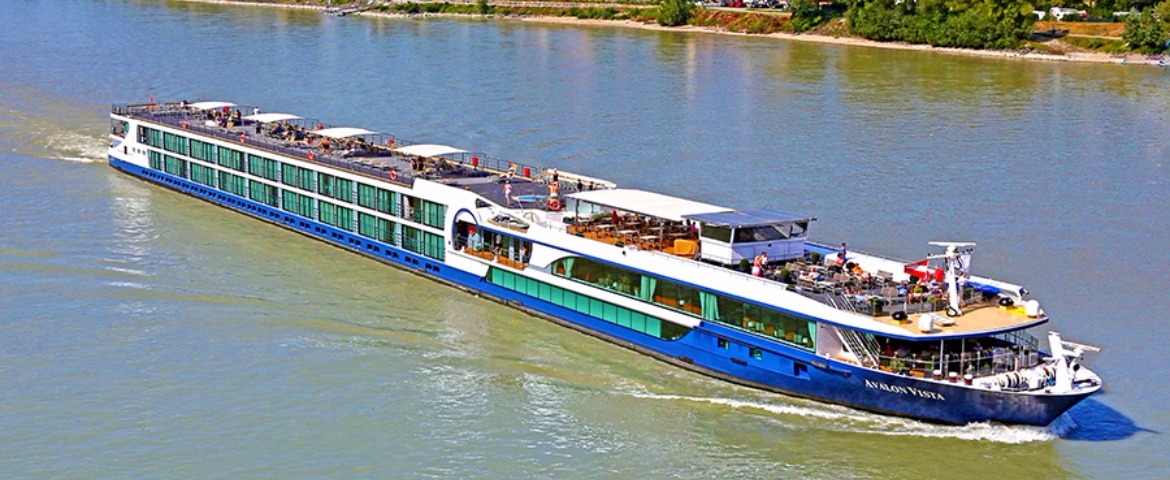
Avalon Waterways (28 Cruises)

Emerald Waterways (33 Cruises)

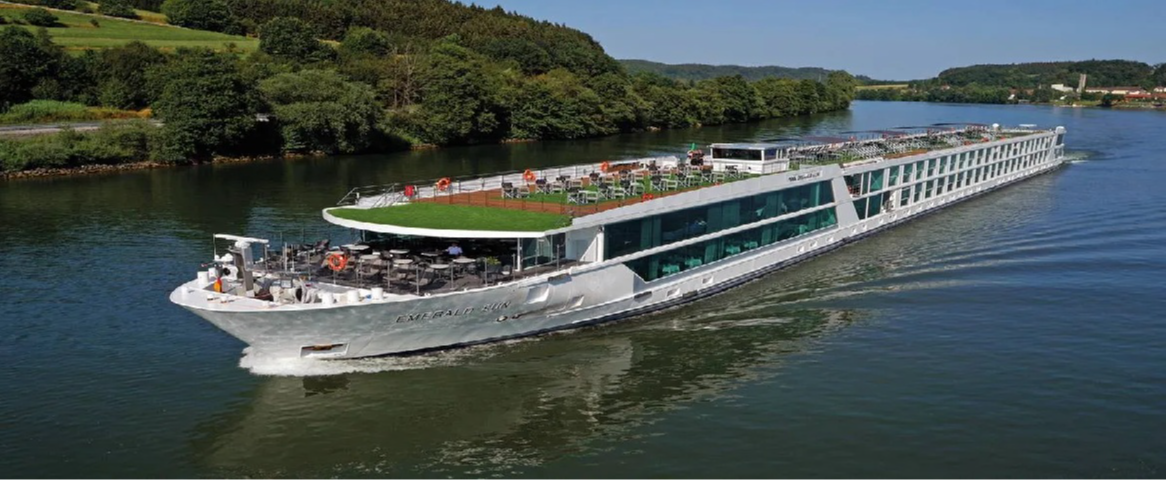
Emerald Sun

Emerald Sun

227 Passengers
Visit the ship's page

Willemstad, Netherlands | Cruise Port Guide

Sometimes twice an hour, a siren sounds and the bridge begins to swing open. The Queen Emma Bridge, supported by sixteen floating pontoons since 1888, opens like a living room door to let cargo ships pass into the inner harbour — and pedestrians either wait or hop aboard the free ferry that takes over. This daily ballet sets the rhythm of Willemstad, the capital of Curaçao and one of the few historic centres in the Caribbean to be designated a UNESCO World Heritage Site.

From the Dock to Old Willemstad

Large ships dock at the Mega Pier, on the Otrobanda side, while smaller vessels sail farther inland to Mathey Wharf, right in the city. In either case, everything is within walking distance: a ten- to fifteen-minute walk takes you through Rif Fort — a former fortification now converted into a complex of shops and terraces — and to the famous floating bridge. From here, you'll find the island's most photographed view: Handelskade, with its Dutch-style gabled façades painted blue, ochre, green and coral, lined up along the water like a sun-drenched Amsterdam.

Punda, Four Centuries of History in a Compact Neighbourhood

Founded in 1634, the Punda district is best explored at a leisurely pace. The Mikvé Israel-Emanuel Synagogue, consecrated in 1732, is the oldest synagogue in the Americas still in operation. Its sand-covered floor, traditionally said to muffle the sound of footsteps during the days of the Inquisition, surprises every visitor. The small adjoining museum displays centuries-old Torah scrolls and recounts the arrival of Sephardic families from Amsterdam and Brazil in the 17th century. A few streets away, the covered Marshe Bieu market serves Creole dishes — stewed goat, fried fish and cornmeal funchi — at long communal tables where local workers mingle with curious passengers. Just to the south, Fort Amsterdam, built in 1635 and now home to the government, still has a British cannonball embedded in the wall of its church, where it has remained since 1804. Locals are always happy to point it out to passersby.

Otrobanda, “The Other Side”

Back on the western bank, Otrobanda conceals a maze of workshops and colourful murals behind its narrow streets. Housed in former warehouses, the Kura Hulanda Museum documents the transatlantic slave trade, in which the island played a major role, with unflinching honesty. It's a challenging but essential visit for understanding Curaçao beyond its pastel façades. On the way back to the ship, the rounded, brightly painted statues of “Chichi”, representing a caring big sister, make for one of the island's most popular handcrafted souvenirs.

The Liqueur and the Beaches

The famous blue Curaçao liqueur is produced just a few minutes away by taxi, at the Chobolobo estate, where the same family has been distilling laraha peel since 1896. This bitter orange grows nowhere else in the world. The guided tour ends with a tasting of different varieties — blue, orange and coffee — although only one, it should be noted, can legally bear the island's name. Those keen to swim may prefer to head for the coves along the west coast — Blue Bay or Mambo Beach, about a 15-minute drive away — where warm water laps pale sand fringed by reefs.

The Port Call at a Glance

FeatureDetails
DockingMega Pier or Mathey Wharf; city centre accessible on foot
Queen Emma Bridge5 to 15 minutes on foot, depending on the docking location
West coast beaches15 to 20 minutes by taxi
Currency and languageCaribbean guilder (US dollars accepted); Papiamentu, Dutch and English

The Colours You Take Home

As the ship prepares to depart, Handelskade passes by one last time from the upper deck — and it's easy to understand why Dutch captains once painted their homesickness in tropical colours. Willemstad offers something few cities can deliver in a single day: Europe and the Caribbean in the same frame, connected by a bridge that dances on the water with every passing ship.

Frequently Asked Questions

In the small inner harbour, a former naval mooring now used as a marina, right at the foot of the ramparts. Passengers step off almost inside the fortress.
The one in North Brabant, the Netherlands, on the Hollands Diep — a fortified village of barely 2,000 people. Not to be confused with Willemstad, the capital of Curaçao in the Caribbean.
Because it was built as a fortress during the revolt against Spain. William of Orange fortified this point controlling river access to Holland, with seven pointed bastions arranged for crossfire. The layout has not changed in four centuries.
The full walk around the ramparts takes about an hour at an easy pace. Add the Koepelkerk, the Mauritshuis, the old arsenal and a harbourside terrace and the half day is comfortably filled.
An octagonal domed church completed in 1607. It is considered one of the first churches in the Netherlands built specifically for Protestant worship — its round plan was a deliberate break with tradition.
Yes. The village fits entirely inside its ramparts and can be crossed in minutes. No shuttle needed, no taxi to find.
No, and it is worth knowing before you go ashore: the shops can be counted on one hand. You come here for the quiet, the ramparts and the sound of halyards, not for shopping.
The euro, and Dutch — but English is spoken fluently almost everywhere. Debit and credit cards work without trouble, even in small businesses.
The harbourside terraces serve sole and Zeeland mussels, the specialty of the neighbouring region. Simple, fresh, and eaten facing the masts of the sailing boats.
Fort Sabina, a nineteenth-century work tucked into greenery a few kilometres away, is the natural complement for fortification enthusiasts. Otherwise the day is spent inside the star.