Campbell Island NZ New Zealand Subantarctic
New Zealand
5
Cruises availables
At departure or passage at this port
Aurora Expeditions (1 Cruises)
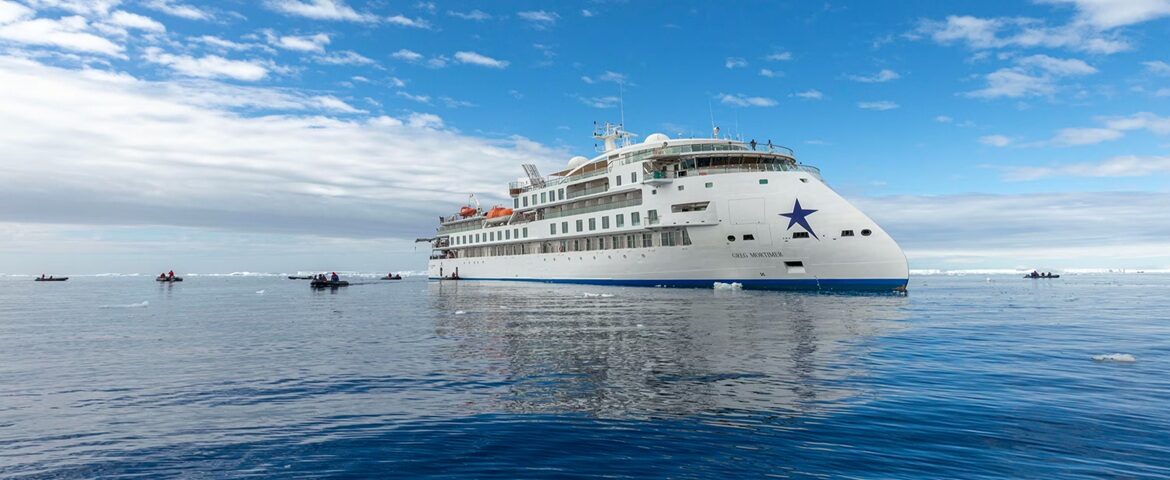

Lindblad Expeditions (2 Cruises)

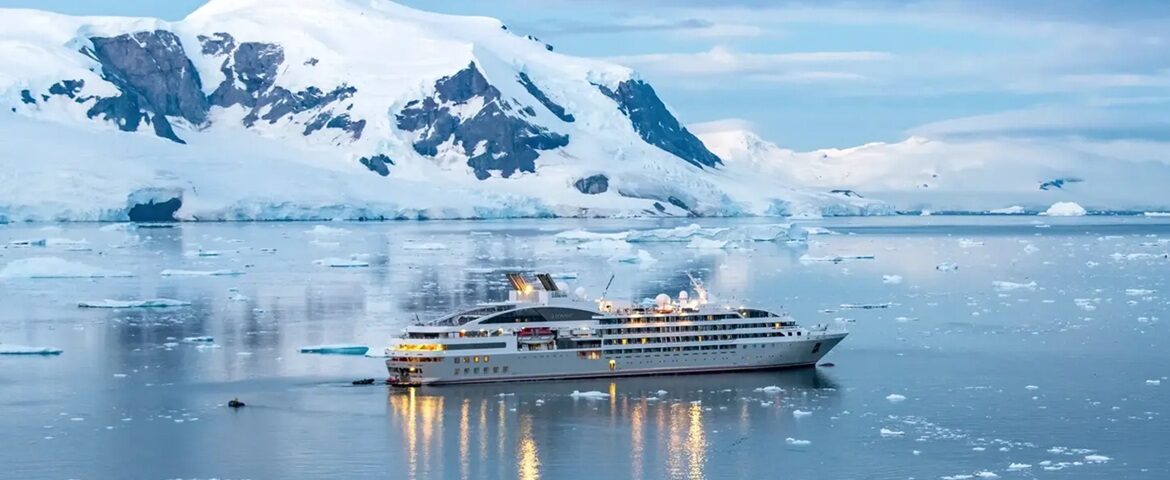
Ponant (2 Cruises)


Campbell Island, New Zealand | Cruise Port Guide
Frequently Asked Questions
South of New Zealand, far beyond the last farm and the last lighthouse. It is the southernmost of the New Zealand subantarctic islands; a few expedition ships anchor each austral summer in the shelter of Perseverance Harbour.
No. No wharf, no village, no permanent inhabitants: the island is a strictly protected nature reserve and landings are made by zodiac, accompanied by the ship's naturalist guides.
The island's main landing: a wooden walkway of about six kilometres return that climbs gently to a saddle open to the ocean. It protects the megaherbs, giant plants found only at these latitudes.
Yes, and it is the main reason to go. The southern royal albatross nests in the tall grass, sometimes metres from the boardwalk. Watching one of the world's largest flying birds open its wings in the wind is, for many, the high point of the entire cruise.
The Campbell Island teal, a flightless duck among the rarest on earth, saved by a reintroduction programme; Campbell Island shags nesting on the ledges; and New Zealand sea lions, curious and playful around the zodiacs.
No. The weather decides everything here, and passengers learn that quickly. The sky can change three times in an hour; zodiac cruises in the fjord happen only when the swell allows.
Several layers, serious waterproofs and tall boots, often supplied or required by the ship. Protect your camera in a dry bag and keep a spare battery warm: damp cold drains everything.
Depending on the expedition, yes: the climb of Mount Honey, the island's high point at 569 metres, or the long traverse to Northwest Bay. For fit passengers only, and subject to the expedition leader's approval.
Disinfected boots, pockets emptied of any seed, and a respectful distance from wildlife. The island was cleared of introduced species after decades of work — every visit is managed to leave no trace.
Sealers, stubborn farmers who ran sheep here, and scientists who came to observe the transit of Venus in 1874 and then recorded the weather for decades. These modest traces are a reminder that humans have only ever passed through.


