Kaikoura New Zealand
New Zealand
6
Cruises availables
At departure or passage at this port
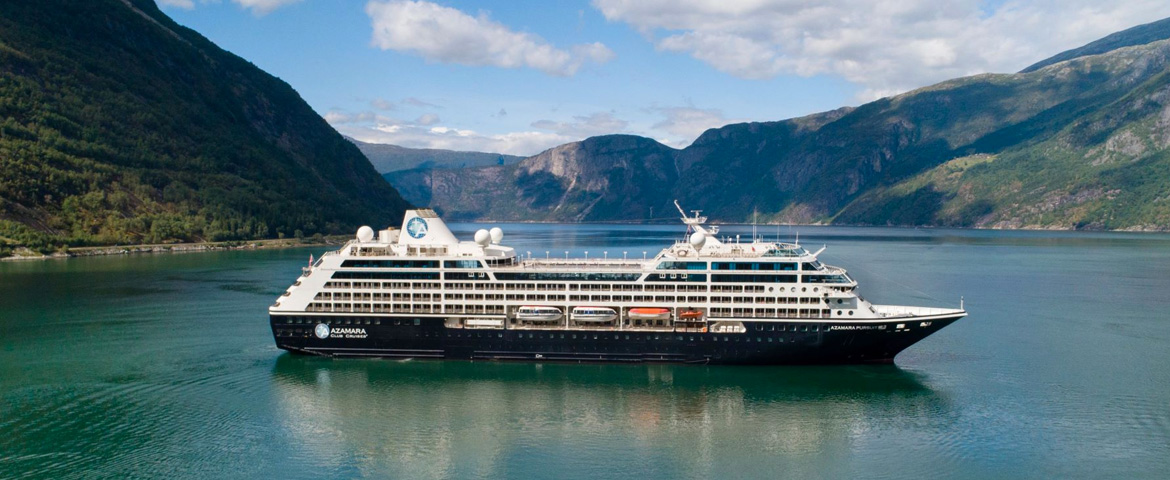
Azamara Club Cruises (1 Cruises)

Kaikōura | Cruise Port Guide
Frequently Asked Questions
Tenders land passengers on the South Bay side, about 2.5 kilometres from the town, where the marine activity operators are also based. Shuttle or walk to reach the main street.
Because a short distance offshore the sea floor drops into an underwater canyon more than a thousand metres deep, where cold water rises loaded with nutrients. That deep-water larder draws sperm whales year round.
About 95 percent of whale-watching trips end with an encounter with the resident sperm whales. The boat takes position, the hydrophone listens, then the dark shape surfaces to breathe before diving again, tail raised to the sky.
Depending on the season: dusky dolphins in their hundreds, passing orca, migrating humpbacks, fur seals on the rocks. For birders, royal albatrosses and giant petrels follow the boats offshore.
The peninsula walkway, an 11-kilometre loop of about three hours, with shorter sections for tight port calls. Cliffs above fur seal colonies, seabirds, and terraces lifted by the 2016 earthquake.
In Māori, kai means 'eat' and koura means 'crayfish'. The name announces the meal, and the tradition goes back to Māori camps and later the nineteenth-century whaling stations.
At the roadside shacks facing the sea, grilled, no tablecloth and no ceremony. The queues at the most popular ones are part of the ritual. Cafes also serve fish of the day and green-lipped mussels.
Sections of former seabed raised out of the water in a single night during the 2016 earthquake. They are visible from the peninsula walkway and tell of a geology still in motion.
Few — this is a nature call, not a heritage one. The town amounts to a handful of streets of cafes, galleries and outdoor shops. You come for the sperm whales, the seals and the mountains falling into the Pacific.
The New Zealand dollar, and English — Māori is also an official language. Cards work everywhere, including at the crayfish shacks.


