Berlevag Norway
Norway
2743
Cruises availables
At departure or passage at this port
Hurtigruten (2743 Cruises)
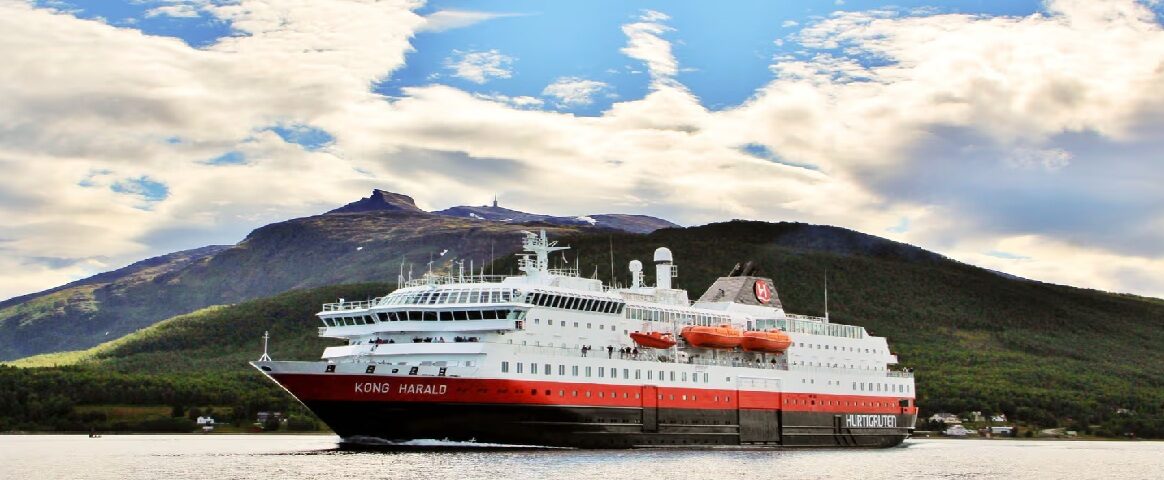
MS Kong Harald
454 Cruises

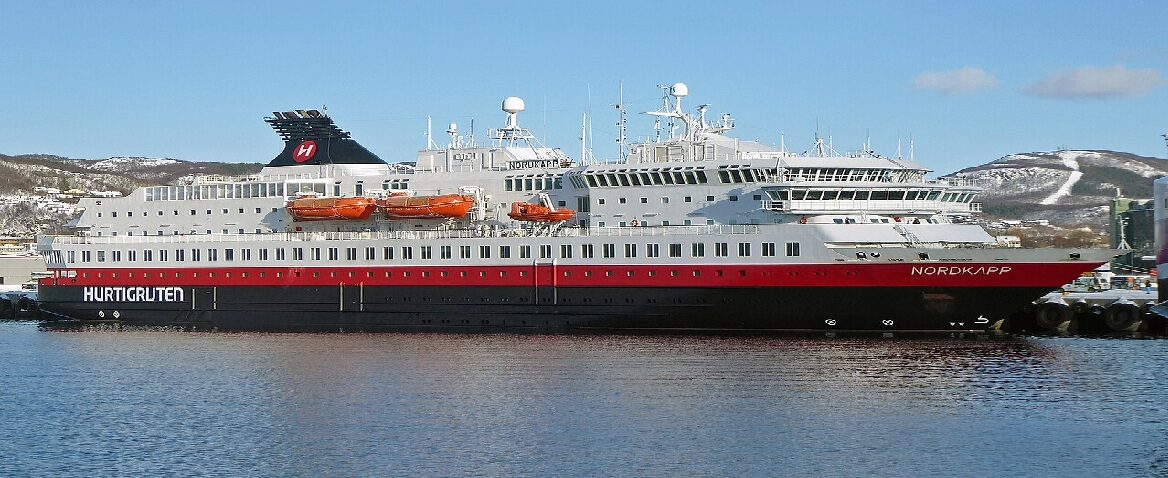
MS Nordkapp
470 Cruises
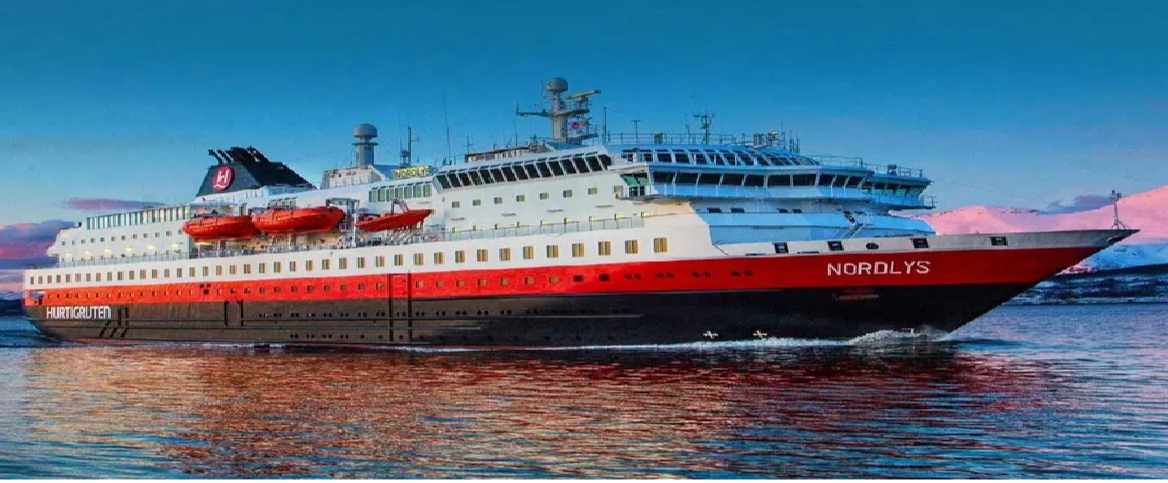
MS Nordlys
428 Cruises
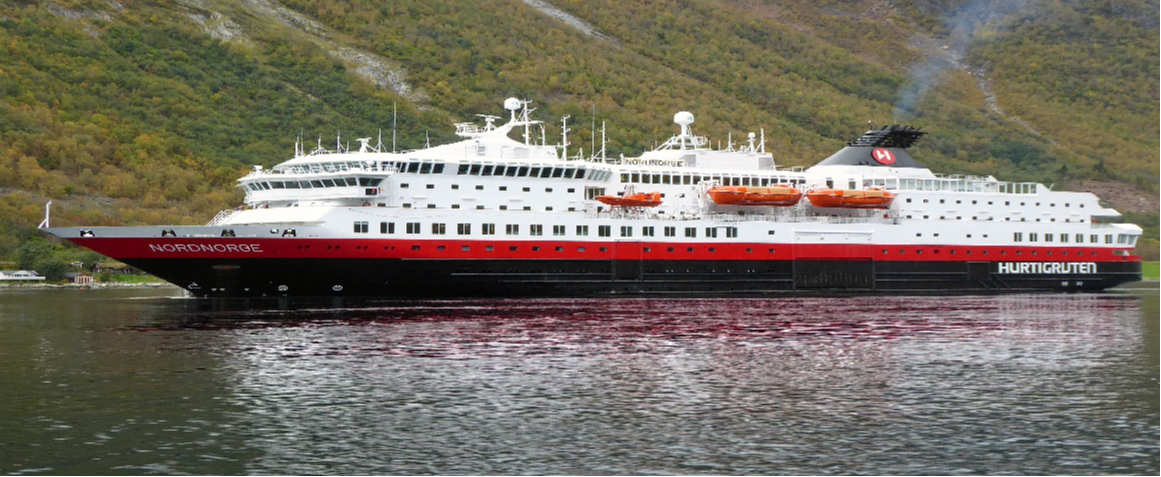
MS Nordnorge
444 Cruises
MS Polarlys
494 Cruises
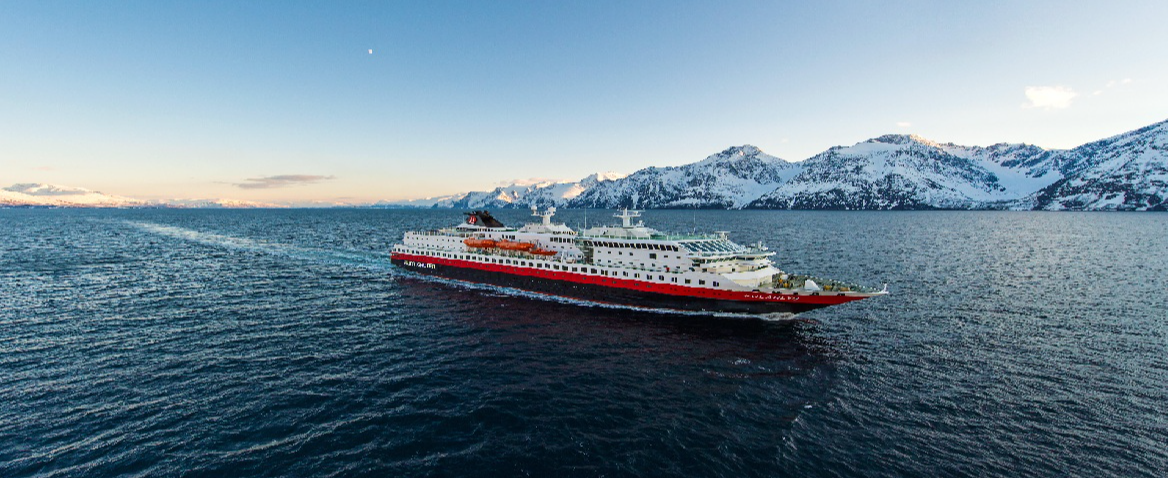
MS Richard With
453 Cruises
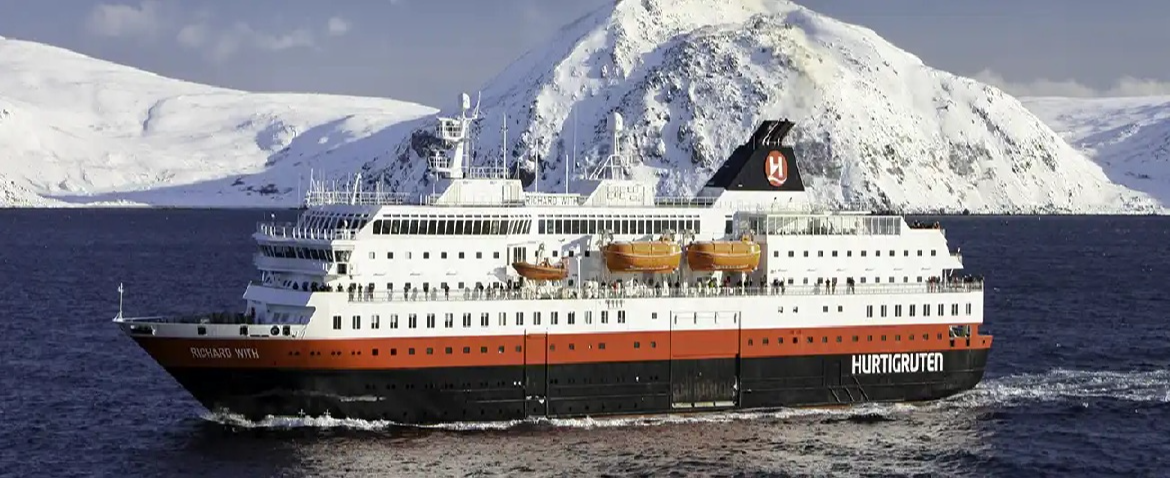

Port of Berlevåg, Norway | Cruise Port Guide
Frequently Asked Questions
In the harbour sheltered by the two breakwaters, in the heart of the village. All of Berlevåg is walkable from the quays: the harbour museum, the church and the village streets are minutes away.
Tetrapods: more than 11,000 four-legged blocks that interlock and absorb the energy of the waves. They were cast on site after decades of storms carried away jetty after jetty, and finally tamed the harbour in the late 1960s.
The saga of the breakwaters and the wartime occupation, housed in the original construction buildings in the village centre. It also displays the Pramma, a sturdy wooden barge shown with as much pride as a Viking ship: for local people it counts as a national monument.
Because it was burned during the German retreat of 1944, like most Finnmark settlements, then rebuilt after the war. Hence its plain, functional look, all simple lines and bold colours.
The Berlevåg Mannsangforening, fishermen-singers who became the subject of a documentary that was, in 2001, one of the biggest successes in Norwegian cinema. Their story fits the spirit of the place: rough outside, warm inside.
The harbour museum and a walk through the village fill much of the time. Then add either the climb up Tanahorn or an excursion to Kjølnes lighthouse or the Kongsfjord cliffs. The two do not combine on a short call.
Yes. Tanahorn, a modest summit, rewards the effort with a full-circle panorama over the Barents Sea and the bare coastline. All around, tundra stretches out of sight, dotted with lakes and rock.
At the Kongsfjord cliffs a few kilometres away, home to puffins and sea eagles. The coastal road toward Båtsfjord, nicknamed the Arctic Ocean route, leads there through stark landscapes where every bend reveals another bay.
They are stumbling stones set into the ground, bearing the names of residents deported during the war. It is a quiet memorial woven into daily life, come upon while walking rather than sought out.
Not in the spectacular sense, and it is fair to say so: no famous monument, no historic quarter. Its value lies in seeing at close range how people live, fish and persevere at 70 degrees north. Visitors remain rare enough that locals are genuinely curious about them.


