Nordaustlandet Island Svalbard Norway
Norway
3
Cruises availables
At departure or passage at this port


Nordaustlandet, Svalbard | Arctic Expedition Guide
Frequently Asked Questions
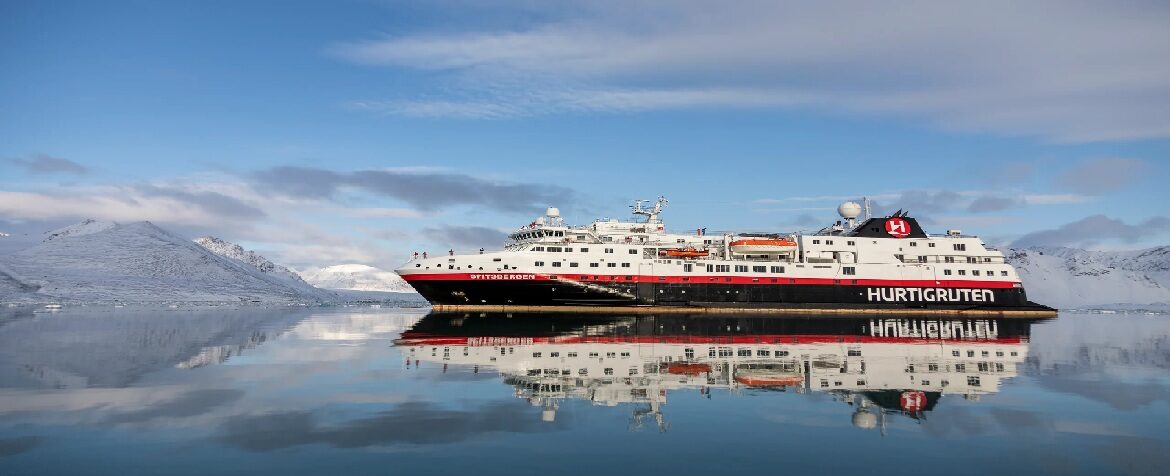
There is no road and no pier, and no permanent settlement: everything happens from the ship and from inflatables. Only expedition vessels venture into these waters, through the Hinlopen Strait. Zodiac landings take place at certain points, never everywhere.
The third largest ice cap on the planet, covering more than half of Nordaustlandet. Its sea-facing front forms a wall of ice roughly 180 kilometres long, as tall as an eight-storey building, from which dozens of meltwater falls pour in summer.
The glacier tongue on the south of the island, the setting for the most spectacular moment of all. The ship runs slowly along this front of about 24 metres in height, unrolling for kilometres without a single break of rock. In places the ice cap exceeds 500 metres in thickness.
When conditions allow, yes. You then hear the frozen mass crack and breathe, while meltwater escapes in steady falls streaking the turquoise and white wall. No photograph quite conveys the scale: you have to be there.
A point on the coast facing the Hinlopen Strait, home to one of the largest walrus gatherings in the archipelago. Zodiac landings allow viewing from a respectful distance of these giants sprawled on the shingle, packed flank to flank.
Yes, Svalbard regulations require it. Guides lead the way with a rifle on the shoulder and set the perimeter nobody crosses. This is not theatre: polar bears work these coasts in search of seals.
Possibly, and it is the grail of any expedition, but nothing is guaranteed. Everyone scans the shore for a cream silhouette against dark shingle. Guides shape each day around ice and wildlife, and no programme is ever promised in advance.
One of the archipelago's great seabird colonies, on the far side of the Hinlopen Strait. Itineraries often pair it with the crossing to Nordaustlandet, and birders find plenty to occupy them.
In multiple layers with a waterproof shell over the top. Binoculars are essential: walruses, birds and any bears are always viewed at the regulated distance. Attending the naturalists' briefings on board greatly enriches what you then see.
Patience: Arctic distances are measured in hours of sailing, often rewarded by an unplanned encounter. You do not visit anything here, you witness it. The Austfonna front, the walruses of Torellneset and the silence of the polar desert amount to a lesson in humility.


