Pyramiden Spitsbergen, Arctic Norway
Norway

32 Cruises availables At departure or passage at this port

Hurtigruten (32 Cruises)

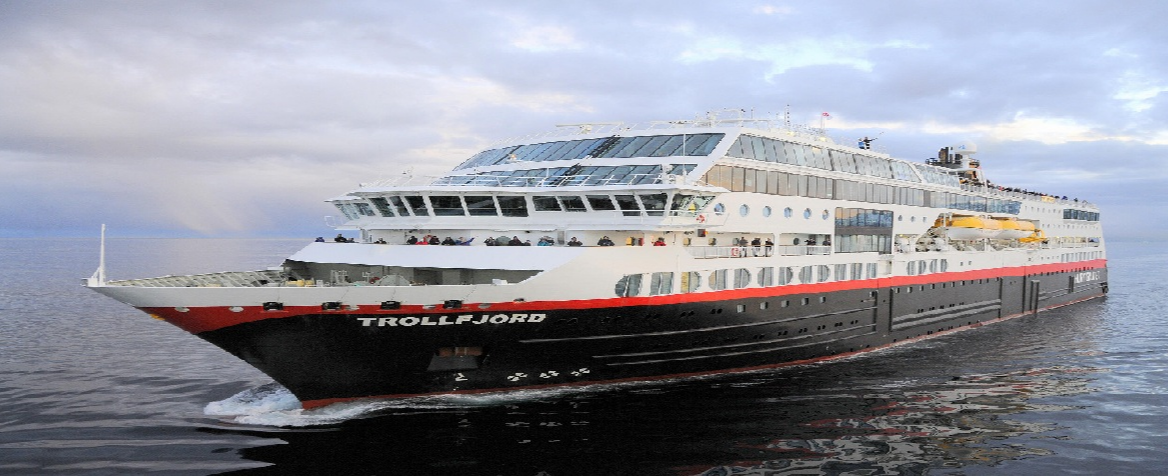
MS Trollfjord.

MS Trollfjord

16140 tons
Visit the ship's page

Pyramiden, Svalbard | Arctic Norway Travel Guide

The silence strikes you before anything else. At the head of Billefjorden, on the coast of Spitsbergen, an entire town awaits residents who will never return: rows of apartment blocks, a gym, a swimming pool, a concert hall. Pyramiden, a Soviet mining town named after the pyramid-shaped mountain that towers over it, was frozen overnight in 1998, when the Trust Arktikugol company closed the coal mine. No road leads here: you arrive by sea or not at all, and stepping ashore feels like walking into a photograph.

A polar utopia born of coal

Sold to the Soviet Union in 1927, the concession became over the decades a showcase of the communist world in the Arctic: a thousand residents had a greenhouse, a heated swimming pool, a library and a square adorned with the northernmost bust of Lenin on the planet. Coal justified the settlement; prestige did the rest, and the Russian name, Piramida, is still displayed in monumental letters at the entrance to the site. Understanding this context transforms the walk: each building becomes a clue to an entire society recreated at 79 degrees north.

Landing at the head of the fjord

Expedition ships anchor off the shore or dock at the pier depending on their size, while boats link the site to Longyearbyen in summer; the crossing takes a few hours and is a geology lesson in itself, between layered mountains and ice fronts. The rule is the same for everyone: you move about accompanied by an armed guide, whose presence is mandatory because of the polar bears that sometimes pass through the area. Groups follow the former central avenue, bordered by a strip of lawn once imported from Ukraine, between façades with blind windows. Boots and warm layers are a must, even in July.

In the miners' footsteps

The guided tour opens some remarkably preserved interiors: the palace of culture and its auditorium where a grand piano takes pride of place, the gym with its floor worn by sneakers, the canteen decorated with mosaics glorifying the Far North. Outside, the tracks of the incline climb toward the mine entrance, clinging to the mountainside. The site's hotel has reopened and serves hot drinks and souvenirs to passing visitors; a few seasonal employees maintain an almost symbolic Russian presence, and the guides sprinkle the tour with anecdotes about the community's last summers.

The glacier in the background

Facing the ghost town, the front of the Nordenskiöld Glacier blocks the horizon with its bluish wall. The contrast sums up the place: on one side, human enterprise at a standstill; on the other, ice continuing its slow work. Guillemots and terns nest on the ledges of the buildings, Arctic foxes patrol the foundations, and the tundra reclaims lost ground centimetre by centimetre. The calm is broken only by the distant cracking of ice and the cries of the terns. Photographers lose track of time; the guides keep watch over it for everyone.

To slip into your bag

  • Warm clothing in several layers, a toque and gloves, whatever the season.
  • Waterproof boots: landings are sometimes made on a wet shore.
  • Binoculars for the wildlife and the glacier front.
  • A little cash or a card for the hotel counter.

Leaving a town that stopped

As the ship pulls away, the buildings shrink against the mountain and Lenin's bust is the first to disappear into the grey. Everyone brings back a different reflection from Pyramiden: on utopias, on coal, on what the Arctic does to human ambitions. One thing is certain: no other port call is quite like this one, and its silence keeps echoing long after you're back on board.

Frequently Asked Questions

A Soviet mining town on Spitsbergen, frozen overnight in 1998 when the Trust Arktikugol company closed the coal operation. Rows of apartment blocks, a gymnasium, a swimming pool, a concert hall: a whole town waiting for residents who will not come back.
By sea, or not at all: no road leads there. Expedition ships anchor off the shore or come alongside depending on size, and fast boats link the site to Longyearbyen in summer, a crossing of a few hours.
No. You move with an armed guide, a requirement because polar bears sometimes cross the area. Groups follow the old central avenue, edged with a strip of turf once imported from Ukraine.
Coal justified the settlement, prestige did the rest. Sold to the Soviet Union in 1927, the concession became a showcase of the communist world in the Arctic: a thousand residents had a greenhouse, a heated pool and a library.
Yes, and it is the northernmost bust of Lenin on the planet, on the central square. The site's Russian name, Piramida, still stands in monumental letters at the entrance.
The palace of culture with its auditorium and grand piano, the gymnasium with its floor worn by gym shoes, the canteen decorated with mosaics glorifying the Far North. Outside, the incline rails climb to the mine entrance.
A few seasonal employees, keeping up an almost symbolic Russian presence. The site's hotel has reopened and serves hot drinks and souvenirs to visitors passing through.
The front of the Nordenskiold glacier, blocking the horizon with its blue-tinged wall facing the town. Guillemots and terns nest on the building ledges, Arctic foxes patrol the foundations, and the tundra reclaims lost ground centimetre by centimetre.
Warm clothes in several layers, hat and gloves whatever the season, waterproof boots — landings are sometimes on a wet shore — binoculars, and a little cash or a card for the hotel counter.
Everyone leaves with a different thought: about utopias, about coal, about what the Arctic does to human ambition. No other port of call resembles this one, and its silence keeps echoing long after you are back on board.