Senja Island Norway
Norway

40 Cruises availables At departure or passage at this port

HX Expeditions (35 Cruises)

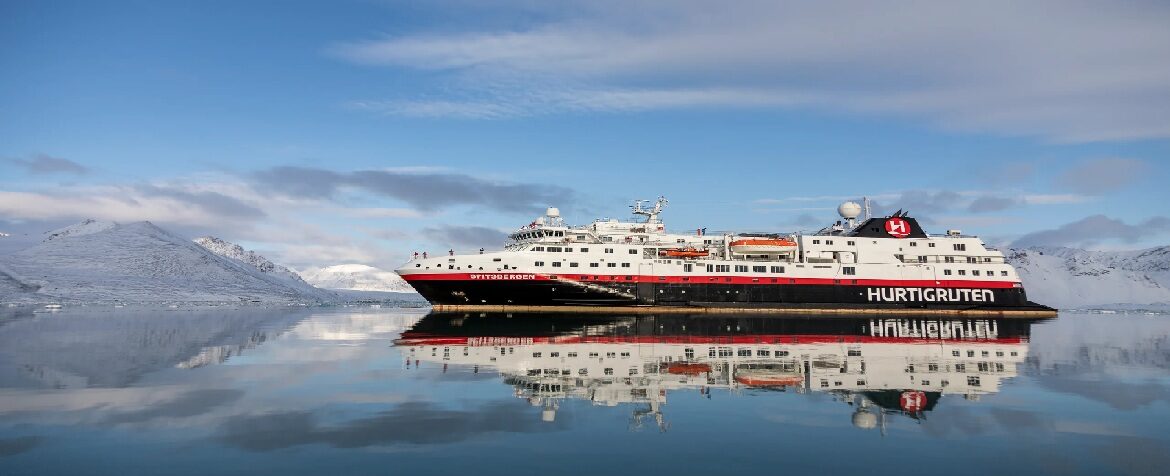
MS Spitsbergen

MS Spitsbergen

7344 tons
Visit the ship's page

Senja, Norway | Cruise Port Guide

Norwegians sometimes call Senja "Norway in miniature," and the phrase is no exaggeration. On the country's second-largest island, south of Tromsø, everything coexists in a tiny Arctic space: walls plunging into the ocean, beaches of sand so pale they're called the "Caribbean of the North," centuries-old pine forests, fishing villages clinging to the edges of the fjords. Long overshadowed by the Lofoten Islands, the island is gradually opening up to ships, and those who visit today have the feeling of arriving ahead of the crowds.

Finnsnes, the gateway

Most ships dock at Finnsnes, on the mainland, directly across from the island. The coastal express stops here twice a day, and the Gisund Bridge spans the strait to reach Silsand, the first community on the island. The town itself lives from its services, practical and without tourist pretensions: the port call takes on its full meaning as soon as you drive west, where the mountains rise facing the open sea.

The outer coast, a shoreline carved by an axe

The road across the island holds a surprise after every tunnel. On the ocean side, the peaks follow one another like upright blades, and the lookouts along the national scenic route — wooden walkways set between the rocks — let you stop facing the sheer drops without leaving the motorcoach for long. Below, coves of pale sand border clear water that is tropical in colour only. Excursions often go as far as Hamn i Senja, a former trading post and fishing village turned small coastal resort, about fifty minutes by road from Finnsnes: its quays among the islets form one of the most photographed landscapes on the island.

Fishing villages and roads at the end of the world

Farther north, Gryllefjord still lives from fishing, its fish-drying racks and warehouses packed at the end of a steep-sided inlet; in summer, a ferry links it to Andenes, in the Vesterålen. These villages are a reminder: nothing here is a stage set; residents have worked the sea for generations, and visitors come across more fishing boats than motorcoaches. Along the way, keep an eye on the sky and the shores — white-tailed eagles, seals and colonies of cormorants frequent the coast.

Ånderdalen, the forest before humankind

In the south-central part of the island, Ånderdalen National Park protects 134 square kilometres of mountains and coastal pine forests spared from logging; some trees there have been growing for more than six hundred years. Easy trails let you savour the Arctic silence in summer, between bogs and lakes. It's the contemplative flip side of the spectacular coast: after the cliffs, the slowness of an ancient forest.

Choosing your excursion

  • Coastal panoramas and lookouts: the great classic, accessible to all.
  • Hamn i Senja and the west coast: seascapes, photo stops, history of the trading post.
  • Easy hike in Ånderdalen National Park: ancient forests, wildlife.
  • Wildlife safari at sea: sea eagles and bird colonies depending on the season.
  • Road distances are deceptive: the winding roads take time, so plan for longer drives than the map suggests.

Before the world catches on

On the way back to Finnsnes, the mountains file past the windows one last time, and a question often circulates in the motorcoach: how has a place like this remained so discreet? The neighbouring Lofoten Islands draw the crowds; Senja still keeps its quiet roads and its villages without souvenir shops. Travellers returning from it share the same instinct: to speak of it in hushed tones, the way one protects a family secret — while knowing full well that a secret like this never stays kept for long.

Frequently Asked Questions

Because everything coexists there in an Arctic pocket handkerchief: walls plunging into the ocean, beaches of sand so pale people speak of the Caribbean of the North, forests of century-old pines, and fishing villages clinging to the fjord edges. It is the country's second largest island, south of Tromso.
At Finnsnes on the mainland, directly opposite the island. The coastal express calls there twice a day, and the Gisund bridge crosses the strait to Silsand, the first settlement on the island.
Not much: the town lives off its services, practical and with no touristic pretension. The call comes into its own as soon as you drive west, where the mountains stand up against the open sea.
A national tourist road whose built viewpoints — wooden walkways set among the rocks — let you stop facing the sheer drops without leaving the coach for long. On the ocean side, the summits follow one another like raised blades.
A former trading post and fishing village turned small coastal resort, about fifty minutes' drive from Finnsnes. Its quays among the islets make up one of the most photographed scenes on the island.
Only in colour. Coves of pale sand edge clear water whose tropical quality stops at the hue: this is north of the Arctic Circle, and the water temperature leaves no doubt about it.
134 square kilometres of mountains and coastal pine forest spared from logging, in the south-centre of the island; some trees there have been growing for more than six hundred years. Easy trails let you taste the Arctic silence in summer.
White-tailed eagles, seals and cormorant colonies frequent the coast: keep an eye on the sky and the shoreline as you go. Wildlife safaris by boat are offered depending on the season.
More than the map suggests. Road distances are deceptive: the winding roads take time, and it is better to overestimate journeys than to miss the ship.
No, and that still holds today. Long in the shadow of neighbouring Lofoten, the island keeps quiet roads and villages without souvenir shops. Those who visit now feel they are arriving ahead of the crowd.