Sur City Oman
Oman
14
Cruises availables
At departure or passage at this port
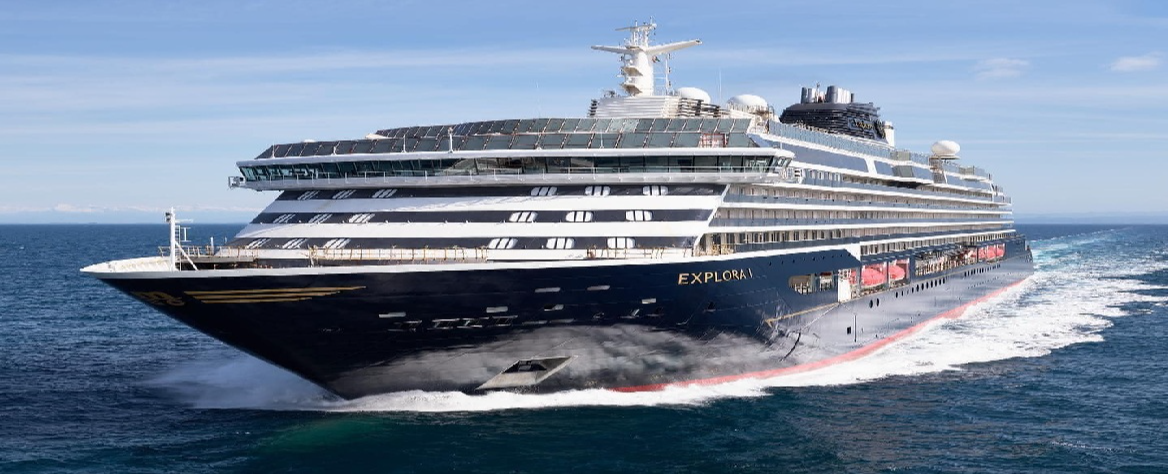
Explora Journeys (14 Cruises)
Explora I
14 Cruises

Sur, Oman | Cruise Port Guide
Frequently Asked Questions
By tender. Ships anchor offshore and boats run passengers to the shore, much as the longboats of the great sailing vessels once did. This call takes a little effort.
Because these wooden sailing vessels, which carried Omani trade for centuries, are still built here. Long before the cranes of modern ports, the shipwrights of Sur were assembling craft capable of reaching India and Zanzibar.
Yes, and it is the beating heart of the call. Beside the lagoon near the suspension bridge, you move freely among fragrant frames, watch adzes bite into wood and take the measure of these wooden giants under construction. The craftsmen work without written plans, by eye and by hand.
A museum founded in 1987, next to the shipyard, presenting the different types of Omani vessels and their trading routes. It complements the yard visit well, where the craft is visible but the context is not.
The historic quarter across the lagoon: white houses with carved doors, sandy lanes, an immaculate lighthouse watching the entrance to the water. The shoreline walk gives the finest views over the bay, the fishing boats and the reflected facades in still water.
The dhow yard, the maritime museum and Al Ayjah, plus a walk along the corniche: the town alone easily fills a day. Excursions to Ras Al Hadd or the Wahiba desert consume all available time — choose before going ashore.
Yes, at Ras Al Hadd about 45 kilometres along the coast, where green turtles come ashore to nest for much of the year. It is a full excursion in its own right, not an add-on to a morning in town.
Early morning, when the dhows come in from fishing and gulls squabble around the market: the scene has probably not changed in a century. Late in the day, residents come out in the cool along the corniche and greetings are exchanged naturally.
The Omani rial. The souks offer dates, frankincense and fabrics in an unhurried atmosphere — bring small notes; trade the Omani way is conducted with a courtesy that comes as a relief after the region's more touristy bazaars.
Shoulders and knees covered, as everywhere in Oman. Add a hat, water and sun protection: the shipyard and the corniche are walked in full sun, and the heat becomes difficult from May to September.


