Pearl Islands Panama Islas Perlas

81 Cruises availables At departure or passage at this port

Lindblad Expeditions (36 Cruises)

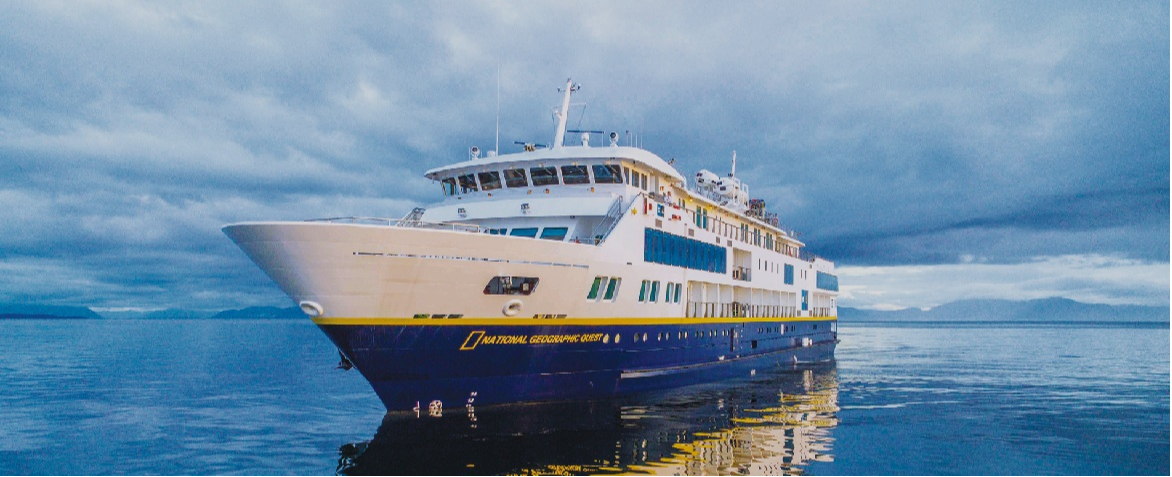
National Geographic Quest

National Geographic Quest

135 Passengers
Visit the ship's page

Ponant (29 Cruises)

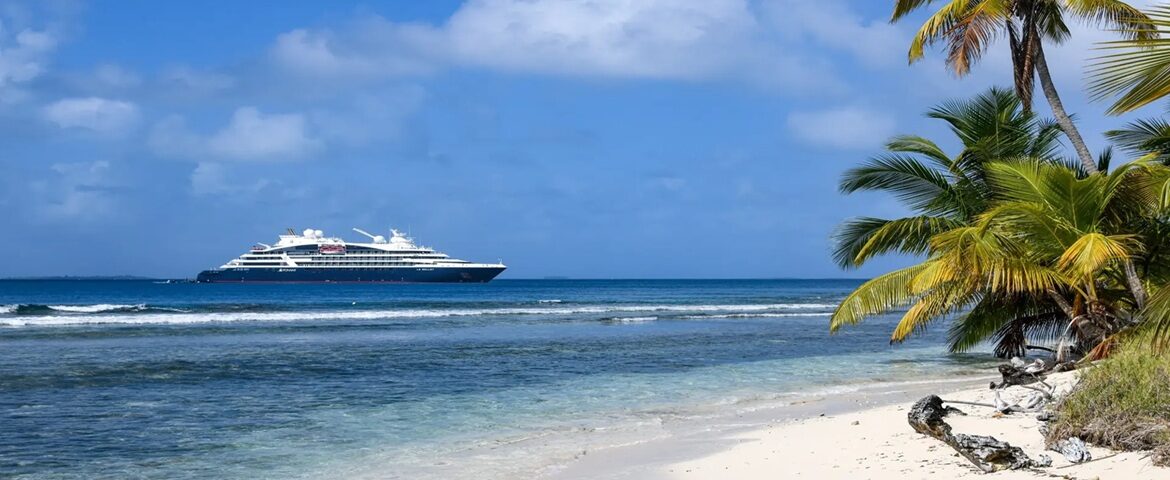
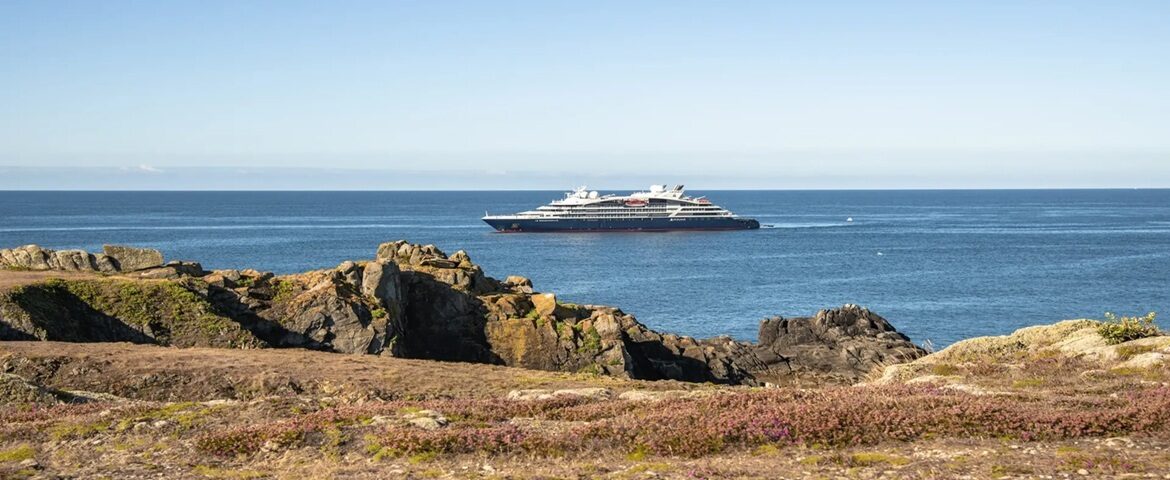
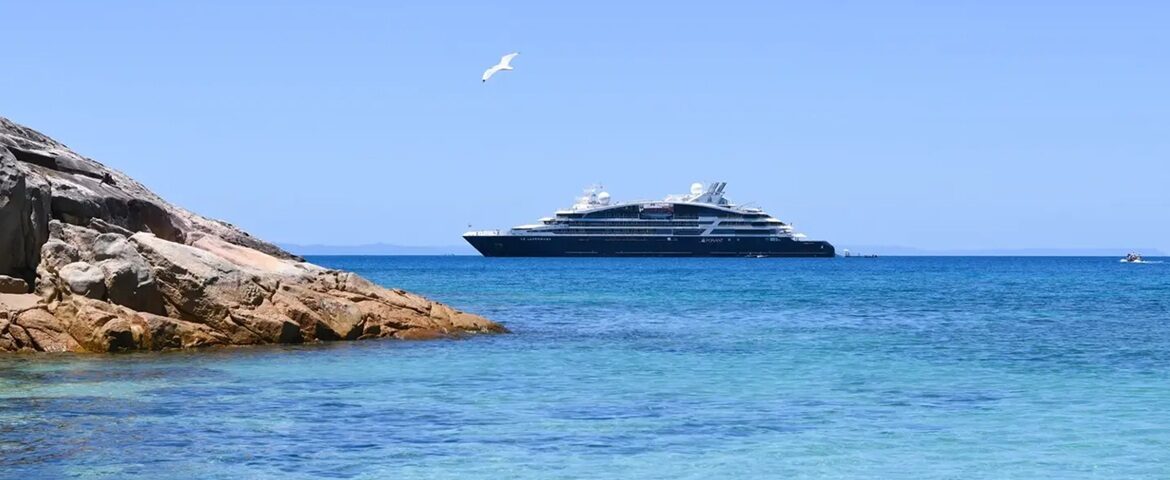
Le Bellot.

Le Bellot

184 Passengers
9 tons
Visit the ship's page

Pearl Islands, Panama | Cruise Port Guide

Their name tells their story. Long before cruises, the Pearl Islands supplied the courts of Europe with fine pearls harvested in the Gulf of Panama; the most famous of them, La Peregrina, passed from the hands of the Spanish Crown to those of Elizabeth Taylor four centuries later. The pearl oysters have given way to sailboats and motor launches, but the archipelago, anchored some fifty kilometres off Panama City, has kept what drew navigators here: waters teeming with fish, sheltered anchorages and beaches that number in the dozens.

Contadora, the archipelago's socialite

Most port calls revolve around Contadora, the best equipped of the islands. Its name, inherited from the days when pearls were counted here before their departure for Seville, speaks to its former role as a trading post. The island is easily explored on foot or by golf cart: a small airstrip crosses it, villas hide in the vegetation, and more than a dozen beaches share the shoreline, each with its own character. Some face the sunrise and lend themselves to calm mornings, others host beach restaurants and toes-in-the-sand bars. You choose yours the way you choose a table on a terrace, according to the hour and your mood.

A rendezvous with whales

From July to October, the archipelago becomes one of the great humpback whale nurseries of the Pacific coast of the Americas. Females come to give birth in these warm, shallow waters, and whale-watching outings then head off in every direction. Seeing a mother and her calf moving a few dozen metres from the boat, in a silence broken only by the sound of their blows, ranks among the great moments a port call can offer. Some operators lower a hydrophone into the water: the song of the males then fills the boat, and no one says another word.

From island to island

Around Contadora, the islets follow one another at short sailing distances. Excursions stop in deserted coves for swimming and snorkelling above seabeds frequented by turtles, rays and schools of tropical fish. Kayaks and paddleboards often round out the equipment on board. The area has served as the setting for several seasons of adventure reality shows, and a single empty beach lined with forest is enough to understand what won over the producers: the landscape needs no development to make an impression. Between swims, you scan the water from the boat's deck; brown boobies dive around the shoals, and pelicans patrol in tight formation just above the waves.

Crossing tips

Ships anchor offshore and tenders drop passengers off according to the tides, sometimes directly onto the sand: water sandals make the manoeuvre easier. Natural shade remains rare on the beaches; a hat and sunscreen are a must, along with plenty of water. A light sweater comes in handy on the way back, when the launch speeds up into the evening wind. On Contadora, a few shops cover the essentials, but ATMs are rare: bring U.S. dollars in small bills. The return to the ship follows the tender schedule, to be respected all the more carefully since sailing distances quickly add to the time needed.

At departure, as the islands stretch along the horizon in a succession of green domes resting on the water, you think back to the divers who once descended here in search of pearls on a single breath, a stone tied to their ankle. The treasures of the gulf have changed in nature: they are now measured in hours of sand, whale songs and sunsets. Those, at least, can be brought home without a safe.

Frequently Asked Questions

Ships anchor offshore and tenders land passengers according to the tide, sometimes directly on the sand. Amphibious sandals make the operation easier. The archipelago lies about fifty kilometres off Panama City.
Because they supplied Europe's courts with fine pearls fished in the Gulf of Panama, long before cruising. The most famous of them, La Peregrina, passed from the Spanish crown to Elizabeth Taylor four centuries later.
Contadora, the best-equipped in the archipelago. Its name, from the days when pearls were counted there before shipping to Seville, records its old role as a trading post. It is covered on foot or by golf cart: a small airstrip crosses it and more than a dozen beaches ring the shore.
The way you choose a terrace table, by the hour and the mood. Some beaches face east and suit quiet mornings, others host beach restaurants and bars with your feet in the sand. Each has its own character.
Yes, from July to October: the archipelago becomes one of the great humpback nurseries of the American Pacific, with females calving in these warm shallow waters. Some operators lower a hydrophone, and the males' song fills the boat.
In whale season, a watching trip, without hesitation. Otherwise, an island-hopping excursion with swimming and snorkelling in deserted coves, or simply a Contadora beach chosen by the hour. Kayaks and paddleboards are often carried too.
Yes, in the deserted coves of the islets near Contadora, over bottoms frequented by turtles, rays and schools of tropical fish. Excursions stop there after a short boat ride.
On Contadora, a few shops cover the essentials, but ATMs are scarce: bring US dollars in small notes. On the neighbouring islets there is nothing at all.
Hat, sunscreen and plenty of water: natural shade is scarce on the beaches. A light sweater helps on the way back, when the boat picks up speed into the evening wind. Amphibious sandals make beach landings easier.
Yes, carefully. The return follows the tender schedule, and sailing distances stretch timings quickly. This is not a call where you improvise one last swim.