San Blas Islands Panama

85 Cruises availables At departure or passage at this port

Ponant (44 Cruises)

Le Bellot.

Le Bellot

184 Passengers
9 tons
Visit the ship's page

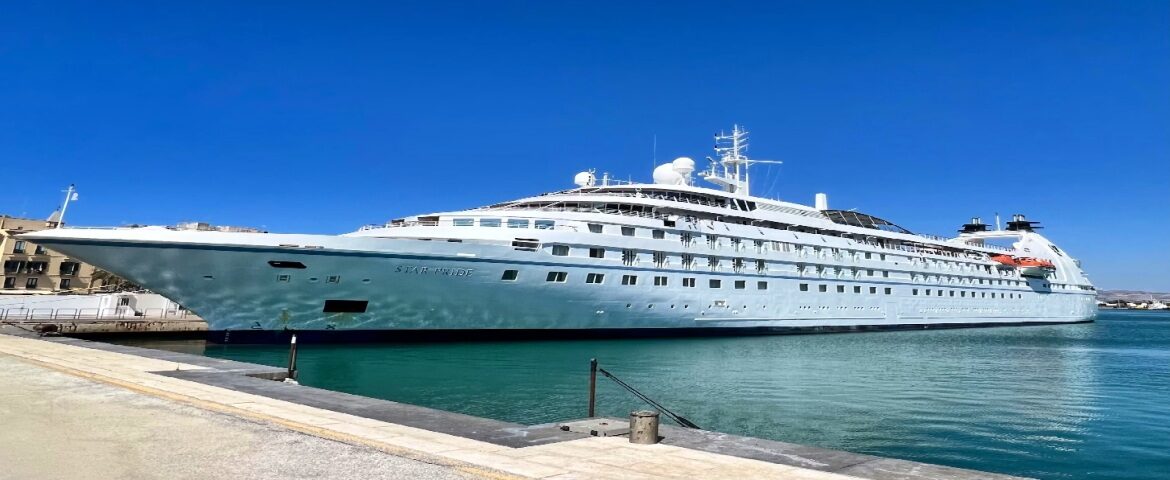
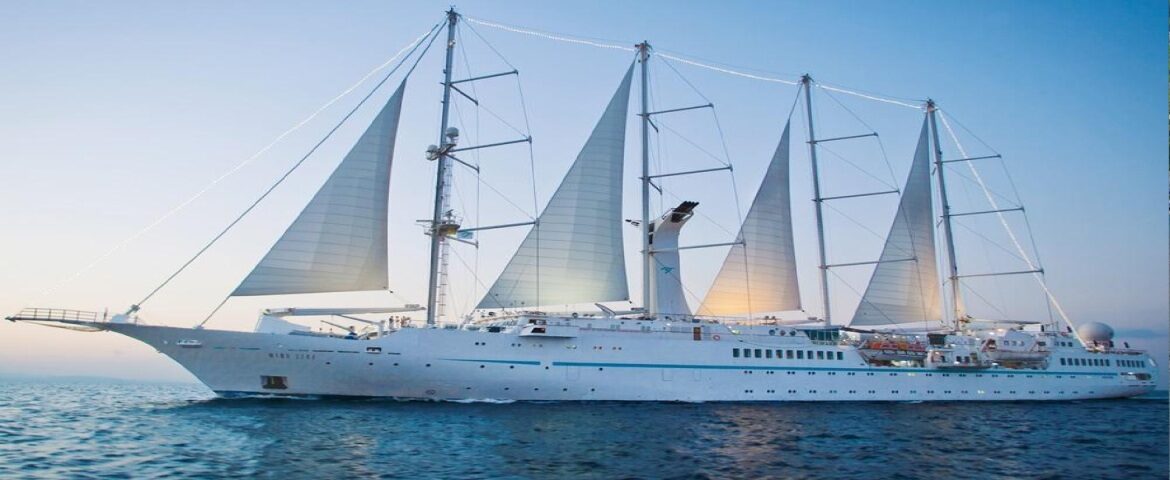
Windstar Cruises (19 Cruises)

San Blas Islands, Panama | Cruise Port Guide

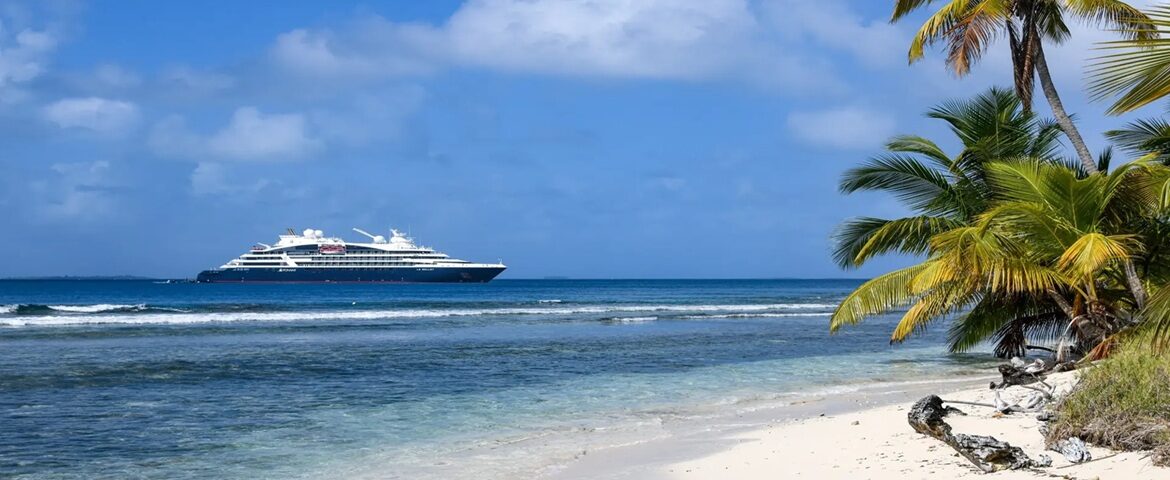
Here it's the dugout canoes that come to the ship, not the other way around. Barely has the anchor dropped among the islets of San Blas when cayucos carved from a single trunk glide toward the hull, paddled by Guna families coming to offer molas and the morning's fish. The archipelago numbers more than 350 islands and islets set on a turquoise lagoon off Panama's Caribbean coast; only about fifty are inhabited. Here there's no terminal and no shops: the tenders drop passengers on a strip of sand fringed with coconut palms, and it's precisely this simplicity that makes the place so valuable.

Guna Yala, a territory that belongs to itself

These islands form the comarca of Guna Yala, an autonomous territory of the Guna people, who won, through hard struggle and a revolt in the 1920s that remains a founding event, the right to govern themselves according to their own rules. No foreign investor owns a hotel here; the Guna manage tourism, fishing and the coconut harvest themselves — coconuts long served as currency in trade with Colombian coastal traders. Each community lives under the authority of its local congress, where decisions are still made in the palm-thatched communal house, around the hammocks of the traditional chiefs. The comarca's flag flies on several islands, a discreet reminder that here you are in Guna territory before being in Panama.

The art of the mola

You can't leave without having held a mola in your hands. These fabric panels, sewn by women using a reverse appliqué technique, layer several colourful fabrics that the needle cuts and hems to reveal birds, fish, turtles or geometric patterns of astonishing precision. Some pieces take weeks of work, and the finest end up in museum collections. The seamstresses display them hung on ropes between two palm trees; you pay in small bills, compare the tight stitches that distinguish the best pieces, and ask permission before taking photos, sometimes in exchange for a small contribution.

A day at lagoon level

A day's program can be summed up in a few words, and that's all for the best. Swim in warm, translucent water, follow the reef with a mask to spot rays, starfish and angelfish, walk all the way around the islet in a quarter of an hour, then sit in the shade to watch the frigatebirds soar and the sails pass by. Guna women wear their mola blouses every day, with red and gold headscarves and strings of beads wound around their legs; their elegance, with no staging whatsoever, makes for one of the most memorable human scenes in the Caribbean. You exchange a few words of Spanish, a smile does the rest, and time slips by without any watch getting involved.

Good to know

  • Tender landing, directly on the beach or on a basic pontoon: water shoes are useful.
  • Cash is essential, in small bills of US dollars, the currency used in Panama.
  • No infrastructure: bring water, a hat and sun protection; take all your trash back on board.
  • Respect local customs: ask before photographing residents, especially women in traditional dress.
  • The sea can rise in the afternoon: aim for early in the day for swimming at the reef.

When the ship weighs anchor, the islets go back to being what they have never stopped being: specks of sand and palms set on the lagoon, where an island nation continues to live by its own laws. You take a mola home in your luggage and, with it, hand-stitched proof that another relationship with time still exists just a short distance from the continent's busiest shipping lanes.

Frequently Asked Questions

By tender, directly onto the beach or a rudimentary jetty. Water shoes help. There is no terminal and no shops: passengers land on a strip of sand fringed with coconut palms.
More than 350 islands and islets set on a turquoise lagoon off Panama's Caribbean coast. Only about fifty are inhabited. The archipelago forms the comarca of Guna Yala, the autonomous territory of the Guna people.
The Guna people, who won through hard struggle, after a founding revolt in the 1920s, the right to govern themselves by their own rules. No foreign investor owns a hotel there: the Guna manage tourism, fishing and coconut harvesting themselves. Each community lives under the authority of its local congress.
A fabric panel sewn by Guna women using reverse appliqué: several layers of coloured cloth that the needle cuts and hems to bring out birds, fish, turtles or geometric motifs. Some pieces take weeks of work, and the finest end up in museum collections.
Seamstresses display them strung on lines between two palms. You pay in small US dollar notes and compare the tight stitching that marks out the good pieces. Dugout canoes also come out to the ship offering molas and the morning's fish.
Swim in warm, translucent water, follow the reef with a mask to catch sight of rays, sea stars and angelfish, walk right around the islet in a quarter of an hour, then sit in the shade and watch the frigatebirds. The programme fits in a few words, and that is the point.
Early in the day. The sea can get up in the afternoon, and reef swimming then becomes less pleasant and less clear.
Ask first, especially women in traditional dress — mola blouses, red and gold headscarves, strings of beads wound on the legs. A symbolic contribution is sometimes expected. This is a matter of respect, not a formality.
Cash, in small US dollar notes, Panama's currency. There is no ATM and no card terminal: without cash you will not be able to buy anything.
Water, a hat and sun protection, since there is no infrastructure at all. Carry all your waste back on board. Water shoes for the landing. Plan generously: on an islet of sand and palms, nothing can be bought on the spot.